
Morocco’s capital city holds architectural treasures that transport visitors through time. Rabat colonial architecture stands as a remarkable testament to the city’s complex history, blending European design sensibilities with traditional Moroccan elements. When exploring the streets of Rabat, you’ll encounter a fascinating juxtaposition of French colonial design alongside ancient Islamic structures, creating an urban landscape unlike any other in North Africa.
The colonial district, with its wide boulevards, elegant facades, and meticulous urban planning, offers visitors a glimpse into Morocco’s 20th-century past and the cultural exchanges that shaped its identity.
History & Cultural Background
Rabat’s colonial architectural heritage primarily dates from the French Protectorate period (1912-1956) when Morocco was under French rule. Marshal Hubert Lyautey, the first French Resident-General, commissioned urban planner Henri Prost to develop a modern European-style city adjacent to the traditional Moroccan medina. This dual-city approach became a hallmark of French colonial urban planning in Morocco.
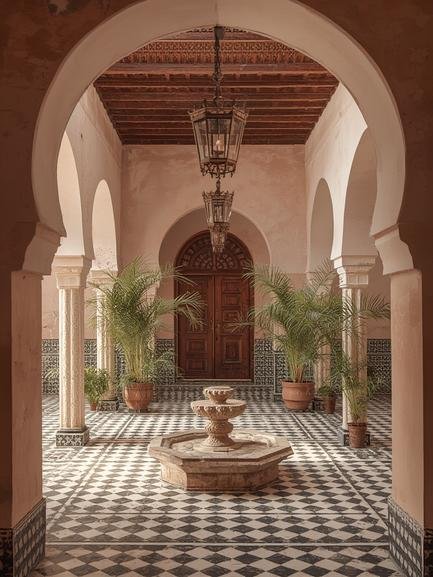
The colonial district, known as Ville Nouvelle (New City), was designed with wide, tree-lined avenues, public squares, and administrative buildings that showcased a distinct architectural style called neo-Moorish or Franco-Moroccan. This style strategically incorporated traditional Moroccan elements like horseshoe arches, zellige tilework, and carved cedar wood alongside Art Deco and modernist European features.
The resulting buildings served both practical and symbolic purposes: housing French administrative offices while visually representing France’s respect for local traditions (though within a framework of colonial control). These structures became the backdrop for major historical events, from the establishment of the protectorate to independence celebrations.
Architectural Highlights & Key Features
The most distinctive characteristics of Rabat’s colonial architecture include:
– Neo-Moorish Fusion: The combination of Art Deco geometrical patterns with traditional Islamic decorative elements
– White Facades: Clean white or cream-colored walls that reflect the intense Moroccan sunlight
– Arcaded Passageways: Covered walkways that provide shade from the sun
– Balconies and Verandas: Wrought-iron details on balconies featuring both European and Moroccan motifs
– Central Courtyards: Interior open spaces providing natural light and ventilation
– Zellige Tilework: Colorful geometric mosaic patterns on floors and walls
– Carved Cedar Wood: Decorative wooden elements on ceilings and doors
Key buildings include:
1. Bank Al-Maghrib Building: An imposing structure featuring a blend of Art Deco and Moorish elements
2. Central Post Office: Distinguished by its horseshoe arches and decorative facade
3. Parliament Building: Showcasing grand proportions and colonial administrative architecture
4. St. Peter’s Cathedral: A modernist interpretation of religious architecture with Moroccan influences
Best Time to Visit & Practical Information
For optimal weather conditions, visit Rabat’s colonial district between April-May or September-October when temperatures are pleasant for walking tours. Summer months (June-August) can be quite hot, while winter (December-February) may bring occasional rain.
Most exterior buildings can be viewed at any time, though interior access varies:
– Parliament Building: Open for guided tours by appointment only
– Bank Al-Maghrib Museum: Open Tuesday-Sunday, 10:00 AM – 6:00 PM (closed Mondays), entrance fee: 20 MAD
– Post Office: Open for regular business hours, 8:30 AM – 4:30 PM (closed Sundays)
– St. Peter’s Cathedral: Open daily 9:00 AM – 12:00 PM and 3:00 PM – 6:30 PM
The colonial district is easily accessible from other parts of Rabat. The modern tram system has several stops throughout the area, with a day pass costing 15 MAD. Petit taxis are also readily available.
Step-by-Step Exploration Guide
Follow this walking itinerary to experience the best of Rabat colonial architecture alongside other historical sites. This route combines French colonial design with older Moroccan landmarks for a comprehensive understanding of the city:
1. Start at Mohammed V Square: Begin your journey at this central plaza surrounded by administrative buildings. Notice the symmetrical layout and the grand scale of the architecture.
2. Central Post Office: Examine the facade’s ornate details, combining French structural elements with Moroccan decorative patterns.
3. Bank Al-Maghrib: Walk across the square to this impressive building. If open, step inside to view the beautifully preserved interior.
4. Parliament Building: Continue along Avenue Mohammed V to observe this important government building’s imposing colonial style.
5. Boulevard El Alou: Turn onto this tree-lined street to see well-preserved residential buildings with distinctive balconies and facades.
6. St. Peter’s Cathedral: Visit this unusual modernist cathedral that blends religious architecture with colonial-era aesthetics.
7. Habous Quarter: Walk to this planned “new medina” built during the colonial period as housing for Moroccans, showcasing a fascinating hybrid architectural style.
8. End at Hassan Tower: Conclude your walk at this 12th-century minaret, providing historical context for how colonial architecture later developed in contrast to earlier Moroccan styles.
Plan for 3-4 hours to complete this walking tour at a leisurely pace, allowing time for photography and refreshment breaks.
Nearby Attractions, Food & Accommodation
Nearby Attractions:
– Kasbah of the Udayas (15-minute walk)
– Chellah Archaeological Site (30-minute tram ride)
– Royal Palace (exterior viewing only, 20-minute walk)
– Rabat Archaeological Museum (10-minute walk)
Dining Options:
– Budget: Café La Renaissance for pastries and coffee in a colonial-era setting
– Mid-range: Le Petit Beur for traditional Moroccan cuisine in a beautifully restored riad
– Upscale: Dinarjat for fine dining in a colonial-era mansion
Accommodation:
– Budget: Hotel Rabat near the train station offers basic rooms in a colonial-era building
– Mid-range: Riad Dar El Kebira in the medina provides traditional charm a short walk from colonial districts
– Luxury: Sofitel Jardin des Roses offers five-star accommodations in a building inspired by colonial architectural elements
Travel Tips & Common Mistakes to Avoid
Tips for Visitors:
– Download offline maps before your visit as internet connectivity can be inconsistent
– Bring a wide-angle camera lens to properly capture the grand facades
– Visit administrative buildings early in the day before they become busy
– Learn a few basic French phrases, as many building placards and historical information are in French
– Carry small change for entrance fees and refreshments
Common Mistakes:
– Rushing through the district without appreciating the architectural details
– Focusing only on famous landmarks while missing the residential streets where colonial architecture is well-preserved
– Forgetting to look up—many decorative elements are on upper floors and rooflines
– Not respecting dress codes when entering religious buildings, even colonial-era ones
– Attempting to photograph government buildings without permission (some have security restrictions)
Conclusion
The Rabat colonial architecture offers a fascinating window into Morocco’s multilayered history, where European and North African design sensibilities merged to create something truly distinctive. These buildings are not merely beautiful structures but living documents that tell the story of cultural exchange, political change, and artistic innovation. As you explore the wide avenues and admire the detailed facades that characterize French colonial design, you’ll gain deeper insights into how Morocco’s past continues to shape its present. Whether you’re an architecture enthusiast, a history buff, or simply a curious traveler, Rabat’s colonial district rewards careful observation and thoughtful exploration. Plan your visit soon to experience this unique architectural heritage before it changes with ongoing urban development.
FAQs
How long does it take to explore Rabat’s colonial architecture?
A comprehensive walking tour of the main colonial district takes approximately 3-4 hours. For those interested in interior visits and photography, consider allocating a full day to fully appreciate the architectural details.
Is it safe to walk around Rabat’s colonial district?
Yes, Rabat’s colonial area is generally very safe for tourists. As with any urban environment, maintain normal precautions with valuables. The wide boulevards are well-populated during daylight hours and early evening.
Can I take photographs of colonial buildings?
Photography of exterior facades is generally permitted for most buildings. However, some government and military structures have restrictions. Always check for signs or ask security personnel before photographing official buildings, especially those with guards posted.
Do I need a guide to appreciate Rabat’s colonial architecture?
While not essential, a knowledgeable guide can significantly enhance your experience by providing historical context and pointing out easily missed architectural details. Several reputable companies offer specialized architectural walking tours.
Is Rabat’s colonial architecture well-preserved?
Many key buildings are well-maintained, particularly administrative structures. However, some residential colonial architecture faces preservation challenges. Visit soon to see these buildings in their current condition, as urban development continues to change the cityscape.