
Morocco’s capital city holds centuries of fascinating stories within its ancient walls and modern boulevards. A comprehensive Rabat history overview reveals a city that has transformed dramatically from a small riverside settlement to an imperial city and finally to a sophisticated modern capital. Visitors seeking to understand Morocco’s complex past will find Rabat to be an open-air museum where Moroccan capital history comes alive through its monuments, architecture, and vibrant cultural scene.
This historical journey offers travelers not just a glimpse of Morocco’s past but a deeper appreciation of how various civilizations – Berber, Phoenician, Roman, Almohad, and French – have contributed to shaping this UNESCO World Heritage city.
History & Cultural Background
Rabat’s story begins in the 3rd century BCE with a settlement established by Berber tribes. The name “Rabat” derives from the Arabic “Ribat al-Fath,” meaning “Fortress of Victory,” pointing to its strategic military origins. The city’s golden age arrived in the 12th century when the Almohad ruler Abd al-Mu’min began construction of what would become a grand imperial capital. His grandson Yaqub al-Mansur continued this vision, commissioning the magnificent Hassan Tower and the Kasbah of the Udayas.
After the Almohad empire’s decline, Rabat entered a period of relative obscurity until the 17th century, when it became a haven for Moriscos (Muslims expelled from Spain) who revitalized the city. The most dramatic transformation occurred during the French Protectorate (1912-1956), when Resident General Hubert Lyautey designated Rabat as the administrative capital and commissioned urban planner Henri Prost to design the modern city, creating the distinct dual character of medina and ville nouvelle (new city) that persists today.
Following independence in 1956, King Mohammed V maintained Rabat as the capital, initiating major development projects that continued under Kings Hassan II and Mohammed VI, blending respect for heritage with modernization.
Architectural Highlights & Key Features
Rabat’s architectural landscape tells the story of its evolution through distinctive landmarks:
– Hassan Tower and the Mohammed V Mausoleum: The unfinished 12th-century minaret stands as a monument to Almohad ambition, while the nearby mausoleum showcases exquisite modern Moroccan craftsmanship.
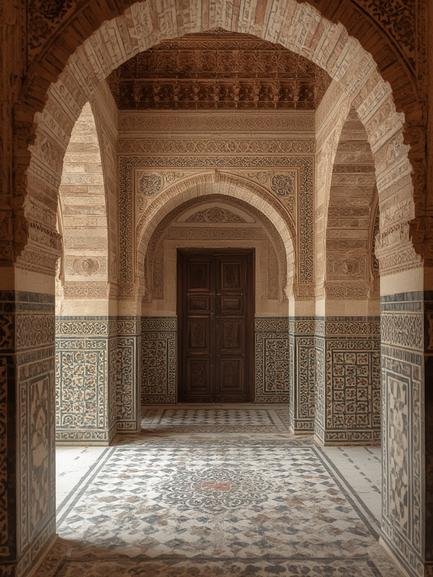
– Kasbah of the Udayas: This fortress-within-a-city features stunning Andalusian gardens, blue and white painted streets, and panoramic views of the Atlantic Ocean and Bou Regreg River.
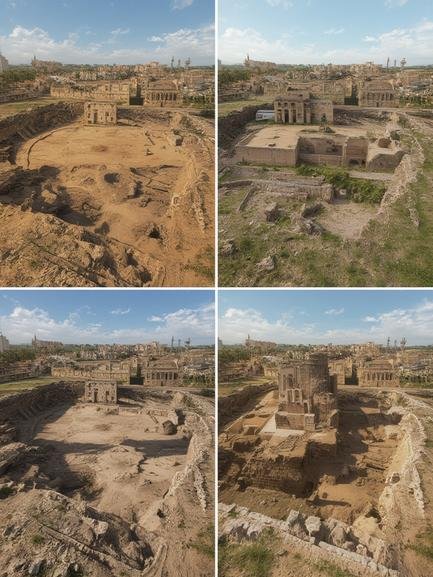
– Chellah Necropolis: A palimpsest of civilizations, containing Roman ruins overlaid with medieval Islamic structures, now home to storks nesting on ancient walls.
– Royal Palace: While its interior remains closed to the public, the impressive exterior gates and plaza display the grandeur of the Alaouite dynasty.
– Ville Nouvelle: The French colonial district showcases wide boulevards, art deco buildings, and the Cathedral of St. Pierre, exemplifying early 20th-century urban planning.
Best Time to Visit & Practical Information
The ideal seasons to explore Rabat are spring (April-May) and fall (September-October) when temperatures range comfortably between 65-75°F (18-24°C). Summer can be hot but is moderated by Atlantic breezes, while winter brings mild temperatures and occasional rain.
Most historical sites operate from 9:00 AM to 5:00 PM with adjusted hours during Ramadan. The Hassan Tower complex and public gardens are free, while the Chellah and Kasbah museums charge modest entry fees (20-70 dirhams/$2-7 USD).
Rabat is easily accessible by train from Casablanca (1 hour), Fez (2.5 hours), or Marrakech (4 hours). The efficient tram system connects major sights, complemented by affordable petit taxis for shorter journeys.
Women travelers should dress modestly, especially when visiting religious sites. A light scarf is recommended for covering shoulders or head when appropriate.
Step-by-Step Exploration Guide
A well-planned itinerary ensures you experience the full Rabat history overview in chronological layers. Begin your exploration with the ancient foundations of the Moroccan capital history and progress through its evolution:
1. Morning: Start at the Chellah Necropolis to witness the earliest layers of settlement. Arrive early (around 9 AM) to enjoy the peaceful gardens and Roman ruins before the midday heat.
2. Mid-Morning: Head to the Kasbah of the Udayas, entering through the magnificent Almohad gate. Wander the narrow blue streets, visit the Oudayas Museum, and enjoy mint tea at Café Maure overlooking the river.
3. Noon: Explore the Medina, a less touristy alternative to those in Fez or Marrakech. The Rue Souk As Sabbat offers authentic crafts and the chance to see artisans at work.
4. Afternoon: Visit the Hassan Tower complex and Mohammed V Mausoleum. Photograph the tower from different angles, observe the ruins of the unfinished mosque, and pay respects at the beautifully crafted mausoleum.
5. Late Afternoon: Stroll through the Andalusian Gardens when the light is golden, then walk along the Corniche for Atlantic sunset views.
6. Evening: Experience modern Rabat in the Agdal district, where contemporary Moroccan life unfolds in stylish cafés and restaurants.
Nearby Attractions, Food & Accommodation
Beyond Rabat:
– Salé, Rabat’s sister city across the river, offers an authentic medina and the impressive Great Mosque
– The beach town of Témara, just 15 minutes south
– Day trips to the Roman ruins of Volubilis (2 hours)
Culinary Experiences:
– Budget: Try street food at Central Market or Tajine Wa Tanjia for authentic Moroccan meals under $10
– Mid-range: Dar El Médina offers traditional cuisine in a heritage setting ($15-25)
– Upscale: Le Dhow, a restaurant on a wooden boat with Andalusian-Moroccan fusion cuisine ($30-50)
Accommodations:
– Budget: Riad Marhaba in the medina ($30-50)
– Mid-range: Hotel Belere in the ville nouvelle ($70-100)
– Luxury: Sofitel Jardin des Roses with its spectacular gardens ($150-250)
Travel Tips & Common Mistakes to Avoid
Smart Traveler Guidelines:
– Don’t rush through the Hassan Tower complex; allow at least 90 minutes to appreciate the details
– Visit the Kasbah early or late to avoid tour groups
– Bargain firmly but respectfully in the medina; initial prices are often 2-3 times the expected final price
– Keep small currency notes for entry fees and taxis
Common Mistakes:
– Overlooking Salé across the river, which offers authentic local experiences
– Visiting outdoor sites at midday during summer months
– Missing the changing of the royal guard ceremony at the palace (Fridays at noon)
– Attempting to enter mosques without realizing most are closed to non-Muslims (Hassan II Mosque in Casablanca is the notable exception)
Conclusion
A thorough Rabat history overview reveals a capital that perfectly balances historical gravitas with modern livability. Unlike its more touristed counterparts, Rabat offers an authentic glimpse into Moroccan life across centuries while maintaining a relaxed atmosphere that invites deeper exploration. The layers of Moroccan capital history – from Roman foundations to Islamic golden ages and colonial adaptations – create a multifaceted destination worthy of at least two full days of discovery. As you depart from this city where Atlantic breezes carry whispers of countless civilizations, you’ll take with you not just photographs but a profound understanding of Morocco’s journey through time. Plan your visit to coincide with the spring Festival of Mawazine for an additional cultural dimension that showcases how Rabat continues to evolve while honoring its remarkable past.
FAQs
How many days do I need to explore Rabat’s historical sites?
A minimum of two full days is recommended to appreciate Rabat’s historical diversity without rushing. Add a third day if you wish to include Salé or nearby day trips.
Is Rabat safe for solo female travelers?
Rabat is considered one of the safest Moroccan cities for travelers, including women traveling alone. Exercise standard precautions, dress modestly, and avoid isolated areas after dark.
Are there any photography restrictions at historical sites?
Photography is permitted at most historical sites, but avoid photographing government buildings, military installations, and airport facilities. Always ask permission before photographing locals.
What is the best way to get around Rabat for sightseeing?
The modern tram system connects major attractions for just 6 dirhams per ride. For areas not serviced by tram, petit taxis are affordable and convenient – insist on using the meter or agree on a price before departing.
Should I hire a guide for exploring Rabat’s historical sites?
While not essential, a certified guide (identifiable by official badges) enhances understanding of Rabat’s complex history. Arrange guides through your accommodation or the tourist office near Hassan Tower to avoid unauthorized guides.