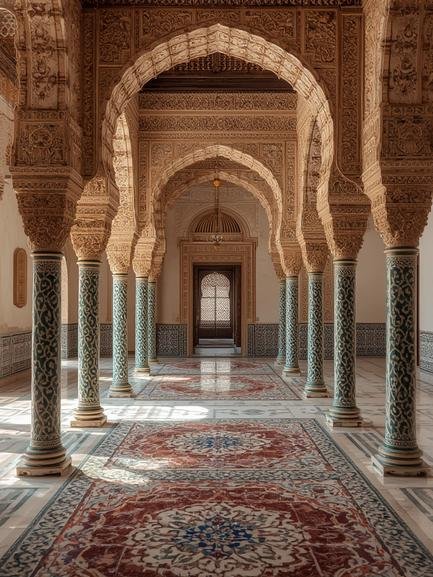

Morocco’s capital city is a treasure trove of cultural richness, where centuries of Islamic influence have shaped the urban landscape. The Rabat Islamic heritage presents visitors with a mesmerizing blend of architectural marvels, historical sites, and living traditions that reflect the deep spiritual roots of this North African kingdom.
Walking through Rabat’s medina and religious monuments offers travelers an authentic glimpse into Moroccan Islamic architecture that has evolved over dynasties yet maintained its distinctive character. For anyone seeking to understand Morocco’s cultural identity, Rabat’s Islamic landmarks provide an educational and visually stunning experience that connects past with present.
History & Cultural Background
Rabat’s Islamic history dates back to the 12th century when the Almohad ruler Abd al-Mu’min began construction of what would become one of Morocco’s most iconic structures, the Hassan Tower. Initially conceived as the minaret for what was planned to be the world’s largest mosque, the tower stands today as a testament to the ambitious vision of the Almohad dynasty.
The city’s prominence evolved through multiple Islamic dynasties including:
– Almohad Period (12th century): Foundation of the Hassan Mosque complex and city walls
– Marinid Dynasty (13th-15th centuries): Further development of religious institutions
– Alaouite Dynasty (17th century-present): Restoration and preservation of Islamic monuments
The 20th century brought renewed attention to Rabat’s Islamic legacy when it was designated as Morocco’s capital under French protectorate rule in 1912. Despite colonial influence, the city maintained its Islamic character, which was further embraced and promoted after independence in 1956. Today, King Mohammed VI continues the tradition of preserving and enhancing the city’s Islamic monuments, including the recent construction of the impressive Mohammed VI Museum of Modern and Contemporary Art, which often hosts exhibitions on Islamic art and heritage.
Architectural Highlights & Key Features
Rabat’s Islamic architecture is characterized by several distinctive elements that reflect Morocco’s unique interpretation of Islamic artistic principles:
Hassan Tower and Mosque Complex
This incomplete minaret reaches 44 meters high and exemplifies the Moorish style with its geometric patterns and ornate façades. The tower features:
– Intricate stone latticework
– Horseshoe arches
– Decorative ribbing
– Red sandstone construction
Kasbah des Oudaias
This fortified city within Rabat contains:
– The magnificent Andalusian Gardens
– Jamaa El-Atiq (one of Rabat’s oldest mosques)
– Traditional whitewashed homes with blue details
– Ornate doorways featuring intricate woodwork and metalwork
Chellah Necropolis
This unique site combines Roman ruins with Islamic mausoleums, featuring:
– The 14th-century minaret
– Zawiya (Islamic religious school)
– Elaborate Islamic tomb decorations
– Sacred pool surrounded by Islamic-era structures
Royal Palace
While not open to tourists inside, the exterior showcases:
– Monumental brass doors
– Traditional zellige tilework
– Carved cedar wood ceilings
– Symmetrical Islamic garden layouts
The visual language of these monuments incorporates calligraphy, geometric patterns, and arabesque designs – all central elements of Islamic art that avoid representational imagery in religious contexts.
Best Time to Visit & Practical Information
The ideal time to explore Rabat’s Islamic sites is during spring (March to May) or fall (September to November) when temperatures are mild and comfortable for walking between attractions.
Opening Hours:
– Hassan Tower and Mausoleum: 9 AM to 6 PM, daily
– Kasbah des Oudaias: 8 AM to 6 PM, daily
– Chellah Necropolis: 8:30 AM to 5:30 PM, closed Mondays
– Great Mosque (exterior only for non-Muslims): Viewable anytime
Entrance Fees:
– Hassan Tower complex: Free
– Kasbah des Oudaias: Free
– Chellah Necropolis: 70 MAD (approximately $7 USD)
Dress Code:
While Rabat is relatively liberal, modest dress is recommended when visiting religious sites. Women should cover shoulders and knees, and both men and women should avoid sleeveless tops and short shorts.
Transportation:
Rabat’s tram system connects many of the main attractions, with single rides costing 6 MAD. Petit taxis are abundant and affordable for reaching places off the tram line.
Step-by-Step Exploration Guide
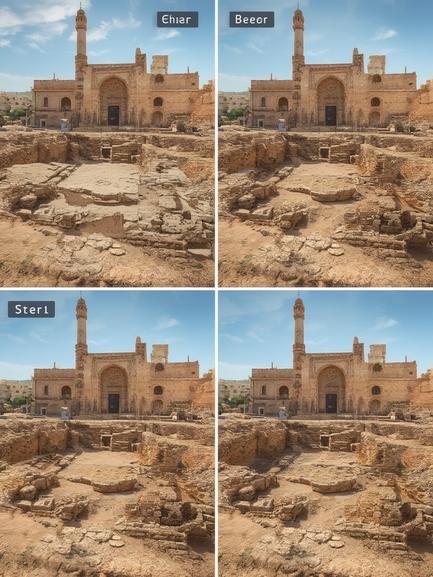
For the optimal experience of Rabat Islamic heritage, follow this recommended route to fully appreciate the city’s Moroccan Islamic architecture:
1. Begin at Hassan Tower and Mohammed V Mausoleum (2 hours)
– Start early to capture the morning light on the tower
– Walk among the 200+ columns that would have supported the mosque
– Visit the ornate mausoleum housing two kings of Morocco
– Don’t miss the Royal Guard in traditional attire
2. Proceed to the Medina (2-3 hours)
– Enter through Bab El Had gate
– Explore the narrow streets and traditional souks
– Visit the Grand Mosque (exterior only for non-Muslims)
– Stop at Rue Souika for traditional Moroccan crafts
3. Break for lunch at a traditional restaurant
– Recommended: Dinarjat or Dar El Medina
4. Afternoon at Kasbah des Oudaias (2 hours)
– Enter through the impressive Almohad gate
– Visit Jamaa El-Atiq mosque (exterior)
– Stroll through the Andalusian Gardens
– Enjoy mint tea at Café Maure overlooking the river
– Perfect sunset photo spot at the Kasbah platform
5. Finish at Chellah Necropolis (if time permits)
– Observe the blend of Roman and Islamic elements
– Visit the 14th-century minaret and zawiya
Nearby Attractions, Food & Accommodation
Additional Attractions:
– Musée Mohammed VI d’Art Moderne et Contemporain
– Royal Palace (exterior only)
– Archaeological Museum
– Rabat Beach for a relaxing end to your day
Where to Eat:
– Luxury: La Mamounia Moroccan Restaurant
– Mid-range: Yamal Acham (Syrian-Moroccan fusion)
– Budget: Restaurant Souk El Had
Where to Stay:
– Luxury: Villa Mandarine or Sofitel Rabat Jardin des Roses
– Mid-range: Riad Kalaa or Dar El Kébira
– Budget: Riad Meftaha or Hotel de Léo
Travel Tips & Common Mistakes to Avoid
Smart Planning:
– Most Islamic sites close for prayer times on Fridays; plan accordingly
– Carry small change for entrance fees and tips
– Download maps offline as signal can be spotty in the Medina
Cultural Awareness:
– Ask permission before photographing locals
– Remove shoes when entering mosques (if permitted as a non-Muslim)
– Respectful dress is appreciated, especially in religious areas
– Learn a few Arabic or French phrases (Shukran/Merci for thank you)
Common Mistakes:
– Rushing through sites without understanding their significance
– Missing the Hassan Tower light show (evenings only)
– Neglecting to bargain in souks (start at 50% of initial asking price)
– Visiting during Ramadan without understanding modified opening times
Conclusion
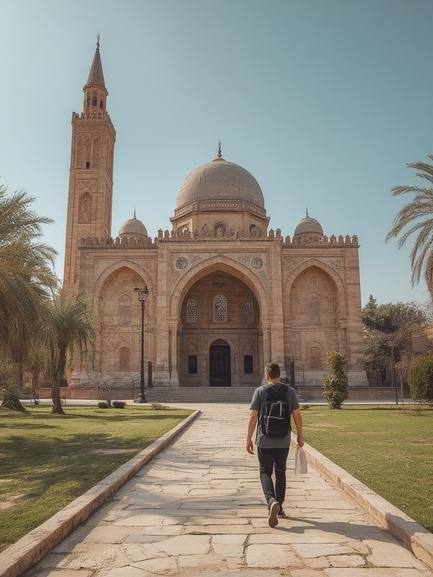
The Rabat Islamic heritage offers visitors a profound journey through Morocco’s spiritual and artistic evolution. From the incomplete yet magnificent Hassan Tower to the serene whitewashed streets of the Kasbah des Oudaias, these monuments tell the story of a civilization that valued beauty, geometry, and spiritual expression. Beyond the architectural marvels, it’s the continuing living traditions of Moroccan Islamic architecture that make Rabat a truly special destination. The call to prayer that echoes across the city five times daily serves as a reminder that these are not merely tourist attractions but living, breathing elements of Moroccan cultural identity. As you plan your Moroccan adventure, set aside at least two full days to immerse yourself in Rabat’s Islamic treasures – a decision that will reward you with a deeper understanding of this fascinating kingdom at the crossroads of Africa, Europe, and the Middle East.
FAQs
Q: Is it possible for non-Muslims to enter mosques in Rabat?
A: Most mosques in Rabat are closed to non-Muslims, with the exception of the Mohammed VI Mosque. However, you can still admire the exterior architecture of all mosques, and some have designated viewing areas.
Q: How much time should I allocate to see Rabat’s Islamic heritage sites?
A: A minimum of one full day is recommended, but two days would allow for a more relaxed pace and deeper appreciation of the sites. The Hassan Tower complex alone deserves at least 2 hours.
Q: Are there dress code requirements for visiting Islamic heritage sites?
A: Yes, modest dress is recommended. Women should cover shoulders and knees, while men should avoid shorts. At active religious sites, women may need to cover their hair.
Q: Is photography allowed at Rabat’s Islamic monuments?
A: Photography is permitted at most monuments for personal use. At the Mohammed V Mausoleum, flash photography is prohibited, and at active religious sites, photography may be restricted or forbidden during prayer times.
Q: Is it safe to explore Rabat’s Islamic heritage sites independently?
A: Yes, Rabat is one of Morocco’s safest cities. The main tourist areas are well-patrolled and visitor-friendly. Still, standard travel precautions like watching your belongings in crowded areas are recommended.