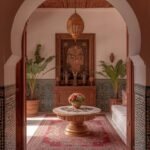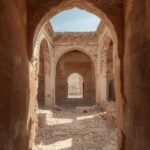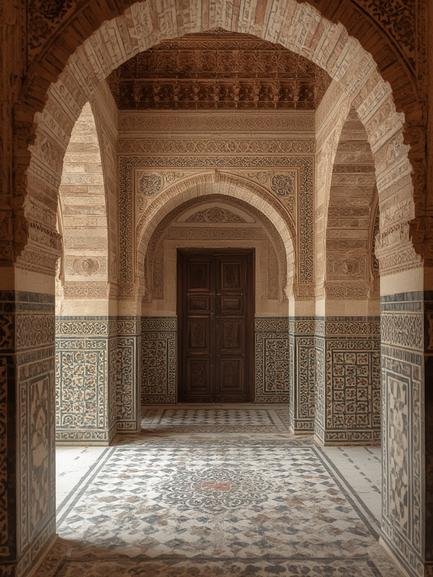

Morocco’s capital city holds centuries of fascinating stories within its ancient walls and modern boulevards. A comprehensive Rabat history overview reveals how this coastal gem transformed from a modest settlement to a sophisticated imperial city and eventually the administrative heart of modern Morocco. Travelers seeking to understand Morocco’s complex past will find Rabat’s historical layers particularly rewarding, as the city showcases Moroccan imperial heritage through its well-preserved monuments, vibrant medina, and striking colonial architecture.
Whether you’re a history enthusiast or simply curious about North African culture, exploring Rabat’s historical timeline provides crucial context for appreciating everything this elegant capital has to offer.
History & Cultural Background
Rabat’s story begins long before it became Morocco’s capital. Archaeological evidence suggests the area was inhabited since prehistoric times, with the first documented settlement being a Berber town called Chellah. The turning point in Rabat’s development came during the 12th century when Almohad Caliph Abd al-Mu’min established a kasbah (fortress) as a launching point for campaigns against Spain.
The city’s name itself reveals its original purpose—”Ribat al-Fath” meaning “Fortress of Victory”—and under Almohad ruler Yaqub al-Mansur, Rabat flourished with the construction of impressive city walls and the unfinished Hassan Tower, intended to house the world’s largest mosque.
Following the Almohad era, Rabat experienced decline until the arrival of Andalusian refugees in the 17th century, who established the Salé Corsair Republic—a pirate stronghold that thrived on Mediterranean privateering. This colorful chapter eventually gave way to more conventional development when Sultan Muhammad III established a royal presence in the late 18th century.
The French Protectorate period (1912-1956) transformed Rabat dramatically, as colonial administrators designated it the capital and constructed the Ville Nouvelle (New City) with its wide boulevards and European-style administrative buildings. After independence in 1956, King Mohammed V confirmed Rabat’s status as Morocco’s capital, and the city has continued to evolve while preserving its rich historical fabric, culminating in UNESCO World Heritage recognition in 2012.
Architectural Highlights & Key Features
Rabat’s architectural landscape offers a remarkable journey through Moroccan history, with each era leaving distinct imprints:
• The Kasbah of the Udayas: This 12th-century fortress features impressive Andalusian gardens, traditional blue-and-white houses, and stunning views over the Bou Regreg river and Atlantic Ocean.
• Hassan Tower and Mausoleum of Mohammed V: The incomplete 12th-century minaret stands as a monument to Almohad ambition, while the adjacent modern mausoleum showcases exquisite Moroccan craftsmanship honoring the royal family.
• Chellah Necropolis: This archaeological site layers Roman ruins beneath an Islamic necropolis, creating a hauntingly beautiful space where storks nest atop ancient minarets.
• Rabat Medina: Smaller and less hectic than other Moroccan medinas, Rabat’s old city features authentic artisan workshops, traditional homes, and the 14th-century Great Mosque.
• Ville Nouvelle: The French-designed modern district showcases Art Deco and Neo-Moorish buildings, wide tree-lined avenues, and elegant public spaces like the Jardin d’Essais Botaniques.
What makes Rabat architecturally unique is this harmonious coexistence of medieval Islamic monuments, traditional Moroccan residential patterns, and early 20th-century European urban planning—all within a compact, walkable city.
Best Time to Visit & Practical Information
Rabat enjoys a mild Mediterranean climate, making it pleasant to visit year-round, though some seasons offer distinct advantages:
• Spring (March-May): Ideal weather with temperatures between 15-25°C (59-77°F), blooming gardens, and fewer tourists.
• Fall (September-November): Similarly comfortable temperatures and good conditions for exploring.
• Summer (June-August): Hot but not extreme (25-30°C/77-86°F), with cooling Atlantic breezes making it more comfortable than inland cities.
• Winter (December-February): Mild temperatures (8-18°C/46-64°F) with occasional rain but plenty of sunny days.
Most historical sites open daily from 9:00 AM to 5:00 or 6:00 PM, though hours may vary during Ramadan. Entry fees are generally modest:
• Kasbah of the Udayas: 10 MAD
• Chellah Necropolis: 70 MAD
• Hassan Tower and Mausoleum: Free
• Royal Palace (exterior only): Free
Rabat is easily accessible via train from Casablanca (1 hour), Marrakech (4 hours), or Fes (3 hours), and Mohammed V International Airport is just 90 minutes away by train or taxi.
Step-by-Step Exploration Guide
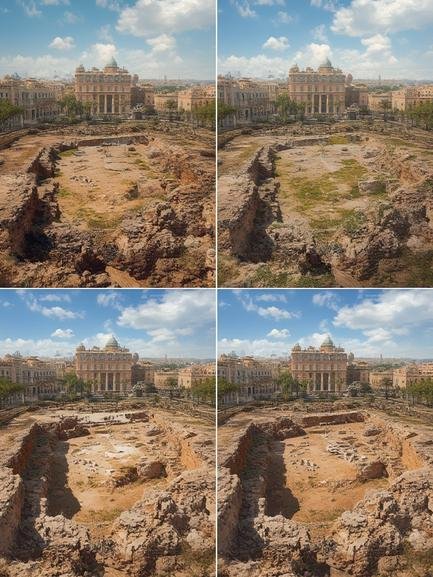
For visitors seeking a well-structured Rabat history overview through its major sites, this walkable itinerary allows you to explore chronologically:
1. Begin at Chellah (morning, 1-2 hours): Start where Rabat’s story begins, exploring this serene archaeological site that showcases both Roman and Islamic periods. The gardens are especially beautiful in spring when storks nest on the ruins.
2. Hassan Tower and Mausoleum Complex (mid-morning, 1 hour): A short taxi ride brings you to this impressive pairing of medieval ambition and modern craftsmanship. Visit the platform of the unfinished 12th-century minaret before entering the ornate mausoleum housing three generations of Morocco’s modern royal family.
3. Lunch in the Medina (1-2 hours): Enter the old city through Bab El Had gate, finding authentic eateries serving traditional Moroccan cuisine. Try Dar Rbatia or one of the small cafés serving home-cooked tagines.
4. Explore the Medina (afternoon, 2 hours): Wander the relatively uncrowded lanes of Rabat’s traditional quarter, visiting the 14th-century Great Mosque (exterior only for non-Muslims) and shopping for high-quality Moroccan crafts, particularly the distinctive Moroccan imperial heritage textiles and ceramics Rabat is known for.
5. Kasbah of the Udayas (late afternoon, 1-2 hours): Time your visit for the golden hour when the Atlantic light bathes the blue-and-white streets in a magical glow. Don’t miss the Andalusian Gardens and the panoramic ocean views from the platform. The café at the gardens offers perfect mint tea with a view.
6. Sunset at Bou Regreg River (evening): Conclude your historical journey with a stroll along the riverfront promenade, where you can watch traditional fishing boats against the backdrop of Salé across the water, connecting you to the maritime heritage that shaped Rabat’s development.
For photography enthusiasts, the Kasbah streets and Hassan Tower offer the most striking images, particularly in late afternoon light.
Nearby Attractions, Food & Accommodation
Beyond the Historical Core:
• Mohammed VI Museum of Modern Art: Morocco’s premier contemporary art museum, showcasing North African artists.
• Archaeological Museum: Houses prehistoric artifacts and Roman bronzes.
• Salé: Cross the river to explore Rabat’s twin city with its impressive Great Mosque and madrasa.
• Témara Beach: Just 10km south, offering Atlantic relaxation after historical exploration.
Culinary Experiences:
Budget:
• Café Maure: In the Kasbah, offering simple Moroccan fare with spectacular views.
• Street food in the Medina: Try makouda (potato fritters) and fresh orange juice.
Mid-range:
• Dar Naji: Traditional Moroccan cuisine in an elegant setting.
• Le Dhow: A restaurant on a boat docked on the Bou Regreg river.
Upscale:
• La Maison du Gourmet: Fine dining with Moroccan-French fusion cuisine.
• Dinarjat: Authentic Moroccan dining in a restored medina house.
Accommodation Options:
Budget:
• Riad Marhaba: Affordable authentic riad experience in the medina.
• Hotel de Paris: Simple accommodation near the train station.
Mid-range:
• Riad Kalaa: Beautiful restored riad in the kasbah.
• Hotel Le Diwan Mgallery: Comfortable hotel in a colonial-era building.
Luxury:
• Sofitel Rabat Jardin des Roses: Elegant five-star hotel with beautiful gardens.
• Villa Mandarine: Boutique luxury in a quiet residential area.
Travel Tips & Common Mistakes to Avoid
Essential Tips:
• Navigation: Download an offline map app, as the medina can be confusing though less labyrinthine than those in Fes or Marrakech.
• Photography: Ask permission before photographing locals, especially in traditional areas.
• Dress Code: While Rabat is relatively cosmopolitan, modest dress is appreciated, especially when visiting religious sites.
• Bargaining: Expected in the medina but conducted more politely than in tourist centers; start at 60% of the initial price.
• Language: French is widely spoken; basic Arabic phrases are appreciated; English is common in tourist areas.
Common Mistakes:
• Rushing Through: Many visitors treat Rabat as a day trip, missing the evening ambiance and chance to see sites without crowds.
• Missing Salé: Overlooking Rabat’s sister city across the river, which offers authentic experiences with fewer tourists.
• Taxi Confusion: Always ensure the meter is running or agree on a price before departing.
• Weekend Planning: Be aware that many sites close earlier on Fridays for prayers; museums are often closed on Mondays.
• Ignoring Local Events: Check for festivals like Mawazine (music festival) or independence celebrations that can enhance your visit.
Conclusion
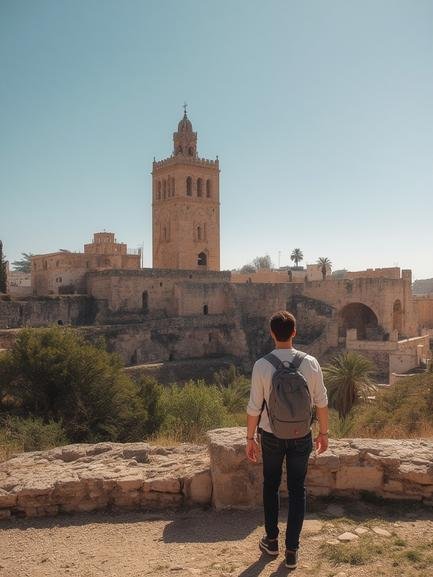
A thorough Rabat history overview reveals why this elegant capital deserves more attention from international travelers. Unlike Morocco’s more tourist-oriented imperial cities, Rabat offers a more authentic glimpse into both historical and contemporary Moroccan life. The city’s unique blend of preserved medieval monuments, traditional neighborhoods, and sophisticated French-influenced districts creates a multifaceted experience that helps visitors understand Morocco’s complex identity. As you explore the layers of Rabat’s past—from ancient Chellah to the Almohad ambitions at Hassan Tower to the corsair adventures from the Kasbah—you’ll gain insights into the Moroccan imperial heritage that shaped this nation. Take time to absorb Rabat’s historical narrative at a leisurely pace, allowing the city to reveal its centuries of stories through its well-preserved monuments, vibrant traditions, and the daily rhythms of its residents. Your efforts will be rewarded with a deeper appreciation of Morocco’s journey from ancient kingdom to modern nation.
FAQs
How many days should I spend exploring Rabat’s historical sites?
While you can see major monuments in one full day, a two-day visit allows for a more relaxed pace and the opportunity to explore lesser-known sites like the Archaeological Museum and Ville Nouvelle architecture. Three days would let you include a day trip to nearby Roman ruins at Volubilis.
Is Rabat safe for tourists interested in history and culture?
Yes, Rabat is considered one of the safest cities in Morocco. As the administrative capital, it has less aggressive touting than more tourist-oriented cities. Standard precautions regarding valuables apply, but visitors generally report comfortable, hassle-free experiences exploring historical areas.
Can I photograph all historical sites in Rabat?
Photography is permitted at most historical sites, though some interior spaces in the Mausoleum of Mohammed V restrict photography. The exterior of the Royal Palace can be photographed, but security personnel are present. Always respect signs and instructions from site guardians.
Is it possible to visit historical sites in Rabat during Ramadan?
Yes, historical sites remain open during Ramadan, though hours may be slightly reduced. Visitors should be respectful by not eating or drinking in public during daylight hours, but cafés inside tourist sites often serve non-Muslim visitors discreetly.
Are guided tours necessary to understand Rabat’s history?
While not essential, a knowledgeable guide significantly enhances understanding of Rabat’s complex history. Official guides can be arranged through hotels or the tourist office near Hassan Tower. For independent travelers, good guidebooks or history apps provide valuable context for self-guided exploration.