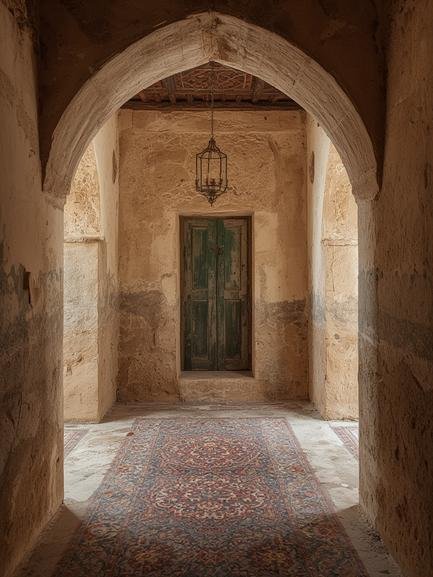

Morocco’s capital city holds centuries of multicultural history within its walls, and the Rabat Jewish heritage stands as a testament to the rich tapestry of communities that have shaped this North African nation. While often overshadowed by more prominent Moroccan historical sites, the Jewish legacy in Rabat offers visitors a profound glimpse into the coexistence of cultures that has defined Morocco for centuries.
From hidden synagogues to atmospheric mellahs (Jewish quarters) and carefully preserved cemeteries, these sites tell the story of a vibrant community that played a crucial role in Rabat’s development as a cultural and commercial center.
History & Cultural Background
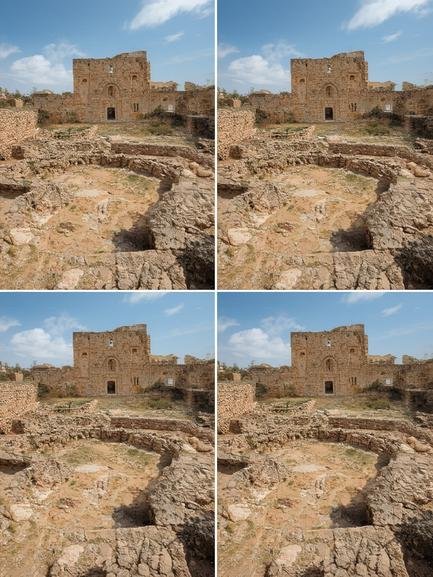
The Jewish presence in Rabat dates back to the Roman era, though most historical accounts point to significant Jewish settlement following the expulsion from Spain and Portugal in the late 15th century. These Sephardic Jews brought with them distinct traditions, languages, and crafts that enriched Rabat’s cultural landscape. The 17th century saw the formal establishment of the Rabat mellah under Sultan Moulay Ismail, creating a designated neighborhood for the Jewish population.
Throughout the 18th and 19th centuries, Rabat’s Jewish community flourished as merchants, artisans, and royal advisors. They developed distinct Moroccan-Jewish traditions that blended Sephardic customs with local influences. The community reached its peak in the early 20th century, with approximately 20,000 Jewish residents. However, following Morocco’s independence in 1956 and the establishment of Israel, many Jews emigrated, leaving behind architectural treasures and sacred spaces that now form the cornerstone of Rabat’s Jewish heritage sites.
Architectural Highlights & Key Features
Rabat’s Jewish heritage is characterized by several distinctive architectural elements that reflect both Moroccan and Jewish influences:
– The Mellah District: The former Jewish quarter features narrow streets and traditional houses with distinctive blue and white exteriors. Many buildings maintain characteristic wooden balconies and intricate doorways.
– Synagogue Talmud Torah: Though no longer functioning as a religious site, this preserved synagogue showcases traditional Moroccan-Jewish architectural elements, including ornate tilework, carved wooden details, and a central bimah (raised platform for Torah readings).
– Jewish Cemetery: Located near Bab Chellah, this historical cemetery contains tombstones with Hebrew inscriptions dating back centuries, featuring distinctive decorative motifs that blend Jewish symbolism with Moroccan artistic traditions.
– Rabbi Shalom Zaoui Synagogue: This restored synagogue highlights the unique architectural style that emerged from the fusion of Moroccan and Jewish design sensibilities, with particular attention to light and geometric patterns.
Best Time to Visit & Practical Information
The ideal time to explore Rabat’s Jewish heritage sites is during spring (March-May) or fall (September-November) when temperatures are mild and crowds are thinner. Summer can be uncomfortably hot, while winter occasionally brings rain.
Most heritage sites are open Sunday through Friday, with closure on Saturdays for Shabbat. When visiting synagogues, appropriate modest clothing is required, with head coverings for men and shoulder/knee coverage for women.
Entry to most Jewish heritage sites is free, though donations for maintenance are appreciated. Some locations may require advance arrangements through the Moroccan Jewish Heritage Foundation. The sites are accessible by taxi from central Rabat, and a comprehensive visit can be completed in one full day.
Step-by-Step Exploration Guide
Follow this route for a comprehensive exploration of Rabat Jewish heritage sites alongside other Moroccan historical sites:
1. Begin at the Mellah (morning): Start your journey at the entrance to the old Jewish quarter, identifiable by its distinctive architecture. Wander the narrow streets, noting the blue-painted doorways and windows that once marked Jewish homes.
2. Synagogue Talmud Torah (mid-morning): Visit this preserved synagogue to admire its Moroccan-Jewish architectural elements. Look for the traditional Torah ark facing Jerusalem and the ornate ceiling decorations.
3. Jewish Cemetery (late morning): A 15-minute walk brings you to this historic burial ground. Observe the Hebrew inscriptions and distinctive tombstone designs that tell stories of prominent community members.
4. Lunch Break: Stop at Café Maure in the Kasbah des Oudayas for traditional Moroccan tea and pastries with spectacular views.
5. Rabbi Shalom Zaoui Synagogue (early afternoon): This recently restored synagogue provides insight into Jewish religious life in Rabat. Pay attention to the women’s gallery and ritual bath facilities.
6. Jewish Crafts Museum (mid-afternoon): Though small, this museum houses artifacts from Jewish artisans who contributed to Rabat’s reputation for fine craftsmanship.
7. End at Sunset at the Atlantic Coast: Conclude your tour with a reflective walk along Rabat’s coastline, contemplating the history of migration and cultural exchange that shaped the city’s Jewish heritage.
Nearby Attractions, Food & Accommodation
Attractions
– Kasbah des Oudayas (10-minute walk from the Mellah)
– Hassan Tower and Mausoleum of Mohammed V (15-minute taxi ride)
– Chellah Necropolis (20-minute taxi ride)
– Rabat Archaeological Museum (15-minute walk)
Dining Options
– Budget: Café des Oudayas for mint tea and Moroccan cookies
– Mid-range: Dar Naji for authentic Moroccan tagines
– Upscale: Le Ziryab for Moroccan-Jewish fusion cuisine featuring dishes like dafina (Sabbath stew)
Accommodations
– Budget: Riad Meftaha in the medina
– Mid-range: Hotel Oudaya near the Mellah
– Luxury: Sofitel Jardins des Roses for modern amenities with Moroccan touches
Travel Tips & Common Mistakes to Avoid
Tips
– Hire a guide specialized in Jewish heritage for deeper historical context
– Visit on weekdays to ensure sites are open and less crowded
– Bring a hat and water, especially when visiting the cemetery
– Learn basic French or Arabic phrases to enhance your experience
– Photograph architectural details but always ask permission before photographing people
Common Mistakes
– Assuming all Jewish sites are open to visitors without prior arrangement
– Not dressing modestly when visiting religious sites
– Missing the small but significant Hebrew inscriptions on buildings throughout the old city
– Focusing only on Jewish sites without understanding their context within broader Moroccan history
– Rushing through the Mellah without taking time to observe daily life and architectural details
Conclusion
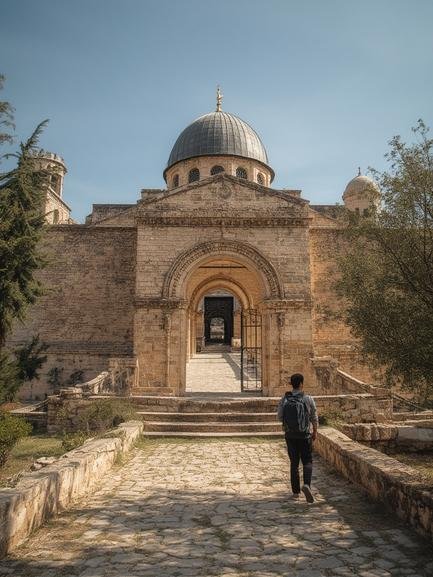
The Rabat Jewish heritage offers travelers a unique window into Morocco’s multicultural soul. These sites are more than historical curiosities—they represent living testimony to centuries of coexistence and cultural exchange between different communities. As you walk through the mellah streets or contemplate the Hebrew inscriptions in the cemetery, you’re experiencing a crucial piece of Morocco’s identity that complements the country’s more famous Moroccan historical sites. By preserving these spaces, Morocco honors all aspects of its rich heritage. Take the time to explore these lesser-known treasures and you’ll discover a deeper, more nuanced understanding of Rabat—and Morocco itself—that most tourists miss. Plan your visit soon to experience this captivating dimension of Morocco’s cultural mosaic.
FAQs
Q: Is it safe to visit Rabat’s Jewish heritage sites as a tourist?
A: Yes, Rabat’s Jewish heritage sites are safe to visit. Morocco prides itself on protecting its multicultural heritage, and these sites are well-maintained and respected.
Q: How long does it take to visit all the Jewish heritage sites in Rabat?
A: A comprehensive tour requires approximately 5-6 hours, though spreading the visits across a full day allows for a more relaxed experience with time for breaks and reflection.
Q: Do I need special permission to enter synagogues or the Jewish cemetery?
A: While some sites are freely accessible, active synagogues and certain preserved buildings may require advance arrangements through local Jewish community organizations or tourism authorities.
Q: Are photography and filming allowed at these heritage sites?
A: Photography is generally permitted in public areas of the Mellah and at the exterior of buildings. Inside synagogues and at the cemetery, permission should be requested, and commercial filming requires prior authorization.
Q: Are there English-speaking guides specialized in Jewish heritage tours?
A: Yes, several reputable tour companies in Rabat offer specialized Jewish heritage tours with English-speaking guides. Booking in advance is recommended, especially during high tourist season.