
Moroccan sweets Rabat presents a mesmerizing world of flavors that captivate visitors to Morocco’s charming capital. These delectable treats combine centuries of culinary tradition with the finest local ingredients, creating unforgettable taste experiences.
The artisanal confections feature honey, nuts, dates, and Moroccan spices in perfect harmony.
Exploring Moroccan sweets Rabat means wandering through bustling medina bakeries and elegant patisseries where these treasures are crafted daily. From flaky pastries to sticky honey-soaked delights, Rabat’s sweet offerings showcase the incredible diversity of Morocco’s dessert tradition. These treats aren’t just food – they’re cultural artifacts representing generations of culinary expertise.
History & Cultural Background
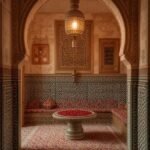
The history of Moroccan sweets Rabat dates back centuries, with influences from Andalusian, Arab, and Berber culinary traditions. When the Moors were expelled from Spain in the 15th century, they brought sophisticated pastry techniques to Morocco. These methods, combined with local ingredients and Moroccan spices, created the foundation for today’s beloved sweet treats.
Sweets hold profound cultural significance in Moroccan society, particularly in Rabat where they’re essential elements of hospitality and celebration. They’re presented to honored guests, exchanged during religious festivals, and featured prominently at weddings and family gatherings. The preparation of these confections is often a family affair, with recipes carefully passed down through generations of women.
Key Sweet Varieties & Ingredients
Chebakia stands as perhaps the most iconic Moroccan sweet, especially popular during Ramadan. These flower-shaped cookies are deep-fried and soaked in honey, then sprinkled with sesame seeds for a perfect balance of sweetness and texture. Their intricate folded shape requires considerable skill and patience to create properly.
Ghriba are beloved shortbread cookies that come in numerous variations including almond, coconut, and lemon. Their cracked surface and chewy interior make them instantly recognizable in any Moroccan pastry shop. These cookies perfectly demonstrate how simple ingredients transform into extraordinary treats through precise technique.
Kaab el Ghazal (“gazelle horns”) are crescent-shaped almond pastries dusted with powdered sugar. Their delicate exterior gives way to a rich, fragrant filling that showcases the quality of Moroccan spices like cinnamon and orange blossom water. They’re often served with mint tea in formal settings.
Best Pastry Shops in Rabat
Patisserie La Maison du Gâteau ranks among Rabat’s finest establishments for authentic Moroccan sweets. Located near the medina, this family-owned shop has been perfecting traditional recipes for over four decades. Their selection rotates seasonally, ensuring the freshest ingredients in every bite.
For those seeking innovation alongside tradition, Amandine Patisserie combines classic Moroccan sweets Rabat techniques with French pastry influences. Their elegant shop in the Agdal neighborhood offers both individual portions and beautiful gift boxes. Their orange blossom macarons represent this delightful cultural fusion perfectly.
Patisserie Hilali, a modest storefront in the heart of the old city, remains a favorite among locals seeking authentic flavors without touristy markup. The shop specializes in honey-soaked pastries that pair perfectly with Moroccan mint tea. Their reasonable prices make it possible to sample multiple varieties in one visit.
Best Time to Visit & Practical Information
The ideal time to explore Moroccan sweets Rabat is during Ramadan, when pastry production reaches its peak with special seasonal varieties appearing in shops. Spring (March-May) also offers pleasant weather for medina exploration, with fewer tourists than the busy summer months. During these periods, bakeries often produce their full range of specialties daily.
Most pastry shops operate from approximately 8am until 8pm, though hours may extend later during Ramadan and other holidays. Prices remain reasonable by Western standards, with individual pastries typically costing between 5-15 dirhams ($0.50-$1.50) depending on complexity. Proper etiquette includes greeting shopkeepers with “Salam” before making selections.
Step-by-Step Exploration Guide
1. Begin your Moroccan sweets Rabat journey in the old medina, where small family-owned bakeries produce daily batches of traditional favorites. The narrow streets between Rue des Consuls and the Kasbah contain several excellent options, identifiable by their glass display cases filled with colorful pastry arrangements.
2. Continue to the Ville Nouvelle district where more modern patisseries combine traditional recipes with contemporary presentation. These establishments often incorporate subtle touches of Moroccan spices like saffron and cardamom into their creations, creating unique flavor profiles.
3. Complete your sweet tour with a visit to the weekly Souq El Had market, where rural producers bring regional specialties not found in city shops. Here you’ll discover hyper-local variations that showcase the diversity of Morocco’s sweet traditions, often made with honey, nuts, and fruits from specific microclimates.
Culinary Workshops & Experiences
Several Rabat establishments now offer workshops where visitors can learn to create Moroccan sweets Rabat alongside expert bakers. Dar Rbatia Cultural Center hosts weekly three-hour sessions focusing on seasonal specialties, with all instruction available in English. Participants take home their creations and receive detailed recipe cards.
For those with limited time, Cafe Clock offers abbreviated “Sweet Bite” demonstrations lasting 60-90 minutes. These sessions focus on a single pastry type, with plenty of cultural context provided. The cafe’s central location makes it convenient for travelers with tight schedules.
Travel Tips & Common Mistakes
– Avoid purchasing sweets that have clearly been sitting uncovered for extended periods, as freshness is essential to the proper texture and flavor profile. Instead, ask shopkeepers which items were prepared that morning.
– Don’t hesitate to request smaller portions if you want to sample multiple varieties. Most establishments willingly accommodate such requests, though they may not advertise this option.
– Bring small denominations of currency, as many smaller sweet shops don’t have change for large bills, especially early in the day.
– Try pairing different sweets with traditional Moroccan mint tea, which provides the perfect counterbalance to their intense sweetness and highlights the subtle Moroccan spices.
Conclusion
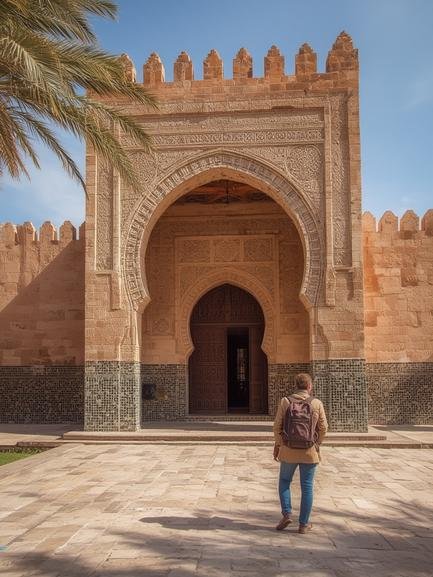
The world of Moroccan sweets Rabat offers visitors a delicious gateway into the heart of Moroccan culture and tradition. Each delicate pastry tells a story of cultural exchange, family heritage, and the masterful use of Moroccan spices and ingredients. These treats represent more than just dessert – they embody the warmth and hospitality for which Morocco is renowned.
Don’t leave Rabat without dedicating at least one afternoon to exploring its sweet treasures. Whether you’re sampling kaab el ghazal in a historic medina bakery or learning to fold chebakia alongside local bakers, these experiences will become cherished memories of your Moroccan journey. The flavors of Rabat’s traditional confections will linger in your memory long after your return home.
## FAQs
Q: What is the most popular Moroccan sweet in Rabat?
A: Chebakia is arguably the most beloved sweet, especially during Ramadan. These flower-shaped, honey-soaked pastries feature sesame seeds and a distinctive fold that requires considerable skill to create.
Q: Are Moroccan sweets in Rabat very expensive?
A: Most Moroccan sweets in Rabat remain quite affordable by Western standards. Individual pastries typically cost between 5-15 dirhams ($0.50-$1.50), making it possible to sample many varieties without spending much.
Q: What ingredients make Moroccan sweets unique?
A: The distinctive character of Moroccan sweets comes from ingredients like orange blossom water, rose water, honey, almonds, and specialized spice blends. These elements combine with traditional techniques to create uniquely Moroccan flavor profiles.