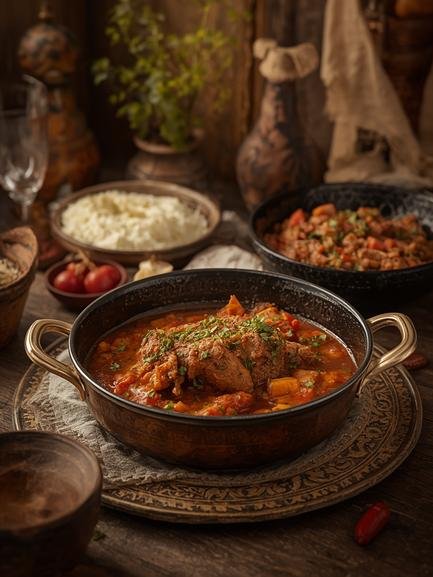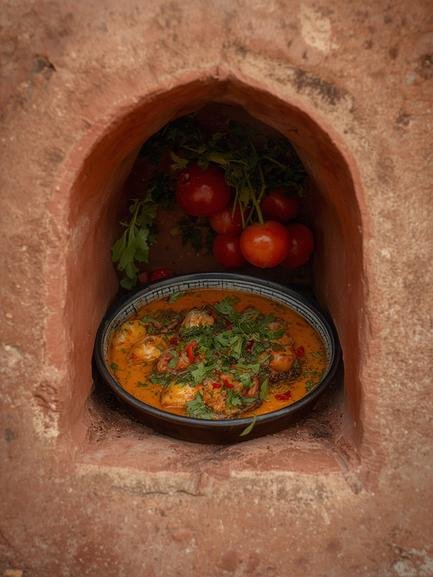

Morocco’s culinary landscape is rich with flavors that tell stories of its diverse cultural heritage, and among its most celebrated dishes is the Tajine de fish. This coastal delicacy represents the perfect marriage between Morocco’s abundant seafood and its distinctive Moroccan spices, resulting in a dish that has become synonymous with authentic North African cuisine.
For travelers seeking a genuine taste experience, discovering this aromatic seafood stew cooked in the iconic cone-shaped earthenware pot offers insight into Morocco’s culinary traditions and the importance of communal dining in local culture.
History & Cultural Background
The history of this iconic dish traces back centuries to Morocco’s coastal regions, where fishing communities developed methods to preserve and enhance their daily catch. The name comes from the distinctive cooking vessel itself—the tajine—which dates back to the 9th century during the Hafsid dynasty. This ingenious pot, with its cone-shaped lid, was designed to return condensation to the cooking ingredients, creating a self-basting effect that’s perfect for slow-cooking fish in arid climates.
Historically, tajine cooking emerged as a practical solution for nomadic peoples who could cook complete meals over hot coals with minimal water. When these techniques reached coastal areas, local cooks adapted the method for seafood. Fish tajines became particularly important during religious celebrations and family gatherings along Morocco’s Atlantic and Mediterranean coastlines, where they symbolized prosperity and abundance.
The cultural significance extends beyond mere sustenance—preparing a tajine is traditionally a communal activity, with recipes passed down through generations, each family guarding their specific blend of spices and preparation techniques.
Architectural Highlights of the Traditional Tajine Pot
The tajine pot itself is an architectural marvel of culinary design. Traditional tajines feature:
– A wide, shallow circular base made of glazed or unglazed clay
– A conical lid that promotes efficient moisture circulation
– Decorative elements that vary by region, from simple terracotta to elaborate hand-painted designs from cities like Fez or Safi
– A small knob at the top that serves both as decoration and a practical handle
The brilliance of the design lies in its functionality: the wide bottom allows ingredients to cook evenly, while the cone-shaped lid collects steam and returns it to the dish, creating a continuous basting cycle. This architecture creates a microclimate perfect for tender fish and infusion of flavors without added liquids.
Modern variations may include tajine pots made from cast iron or ceramic for use on modern stovetops, but purists insist the earthenware version imparts unique flavors unattainable with contemporary materials.
Best Time to Sample & Practical Information
The coastal nature of this dish makes it available year-round in Morocco, but there are optimal times to experience it at its finest:
– Spring (April-May): When many coastal festivals celebrate seasonal catches
– Fall (September-October): After the summer tourist rush when restaurants are less crowded
– Midday (12:00-2:00 PM): When most Moroccan families traditionally enjoy their main meal
For the most authentic experience, seek out family-owned restaurants rather than tourist establishments. Expect to pay between 80-150 Moroccan dirhams ($8-15 USD) for a quality fish tajine. In coastal cities like Essaouira, Agadir, or Tangier, look for restaurants where locals gather—these typically offer the freshest ingredients and most authentic preparation.
Dress code is generally casual, though modest attire is appreciated in more traditional establishments. To get there, most coastal cities offer taxis that can take you to renowned tajine restaurants, or consider joining a cooking class where you’ll learn to prepare this dish yourself.
Step-by-Step Exploration Guide to Fish Tajine Preparation
To fully appreciate the Tajine de fish, understanding how it’s prepared enhances the dining experience. Here’s how to explore this culinary journey:
1. Start with the base ingredients: Observe how chefs begin with a layer of sliced onions, garlic, and fresh herbs (typically cilantro and parsley) at the bottom of the tajine.
2. Spice selection: Note the careful measuring of Moroccan spices including cumin, paprika, ginger, saffron, and sometimes ras el hanout (a complex spice blend).
3. Fish placement: Watch as whole fish or fish pieces are arranged in the center, often using firm white fish like sea bass, snapper, or cod.
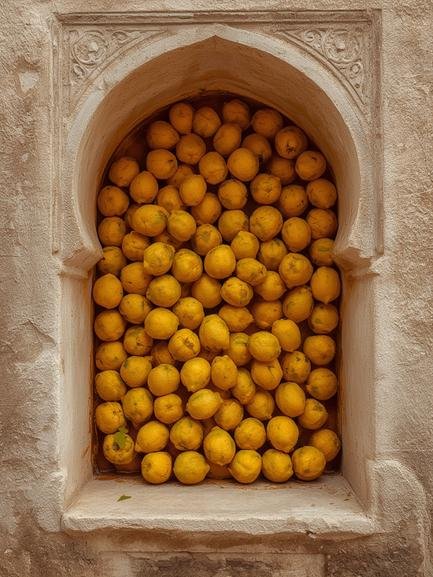
4. Vegetable arrangement: Notice how vegetables are strategically placed around the fish—typically potatoes, bell peppers, tomatoes, and sometimes olives and preserved lemons.
5. The slow-cooking process: Appreciate the patience as the tajine simmers over low heat for about 45 minutes, allowing flavors to meld without stirring.
6. The ceremonial opening: Experience the theatrical moment when the cone-shaped lid is lifted at the table, releasing a cloud of aromatic steam.
For the best viewpoints of this culinary artistry, seek restaurants with open kitchens or cooking classes in cities like Marrakech, Fez, or Essaouira where you can photograph the process from preparation to presentation.
Nearby Culinary Experiences & Accommodation
When enjoying fish tajine in Morocco, enhance your experience with these complementary activities:
Nearby Culinary Explorations:
– Visit local fish markets in the morning to see the fresh catch that will become tajines later that day
– Explore spice souks to learn about the distinctive seasonings used in the dish
– Consider bread-making workshops to learn how to prepare khobz, the traditional bread used to scoop up tajine
Recommended Restaurants:
– Budget: Snack Toubkal in Essaouira offers excellent fish tajine for under $7
– Mid-range: La Scala in Casablanca serves a refined version with local catch
– High-end: La Maison Arabe in Marrakech offers cooking classes and gourmet tajine experiences
Accommodation:
– Stay in riads (traditional Moroccan houses) with on-site cooking facilities where hosts often offer tajine preparation lessons
– Coastal boutique hotels like Madada Mogador in Essaouira organize seafood market tours followed by tajine cooking classes
Travel Tips & Common Mistakes to Avoid
Common Mistakes:
– Rushing the eating experience (tajines are meant to be savored slowly)
– Using utensils instead of bread to scoop up the sauce (traditionally, bread is the utensil)
– Ordering fish tajine too far inland where seafood may not be as fresh
– Missing the sauce at the bottom, which contains concentrated flavors
Practical Tips:
– Learn the phrase “bishḥa” (بالصحة) meaning “to your health”—a customary saying before meals
– Eat from the edge of the tajine toward your section, not from the middle (a sign of respect)
– The tajine continues cooking even after removed from heat, so be cautious of the hot vessel
– The best part is often the sauce—save bread to soak it up at the end
– Consider sharing a tajine, as they’re designed for communal dining
Conclusion

The journey through Morocco’s culinary landscape isn’t complete without experiencing the magic of Tajine de fish. This dish embodies Morocco’s relationship with the sea, its mastery of Moroccan spices, and its tradition of shared meals that bring people together. More than just sustenance, it represents the heart of Moroccan hospitality—where time slows down and conversations flow as freely as the mint tea that accompanies the meal.
Whether you’re learning to prepare it yourself in a cooking class, enjoying it in a humble seaside restaurant, or savoring it in a luxury riad, the fish tajine offers a sensory gateway into understanding Moroccan culture. As you plan your Moroccan adventure, place this culinary experience high on your list—it’s not merely a meal but a cultural ritual that will remain with you long after your journey ends. Come with an open heart, a curious palate, and leave time to savor each bite as Moroccans have done for centuries.
FAQs
Q: What type of fish is traditionally used in a Tajine de fish?
A: While recipes vary by region, firm white fish like sea bass, snapper, or grouper are most common. Coastal areas often use whatever the daily catch brings, but fish that holds its shape during slow cooking is preferred.
Q: How long does it take to properly experience a fish tajine meal?
A: Allow at least 90 minutes for the full experience. Traditional Moroccan meals are leisurely affairs, with the tajine itself taking about 45 minutes to cook and at least 30-45 minutes to properly enjoy.
Q: Is it acceptable to take photographs of my meal in Morocco?
A: Yes, photographing food is generally acceptable and even expected among tourists. However, always ask permission if you want to photograph the chef or cooking process, especially in someone’s home.
Q: Do I need to follow any special etiquette when eating from a communal tajine?
A: Yes—eat only from the portion directly in front of you, use your right hand with bread to scoop up food, and don’t reach across to other sides of the tajine as this is considered impolite.
Q: Can vegetarians enjoy tajine dishes in Morocco?
A: Absolutely. While fish tajine contains seafood, many restaurants offer vegetable tajines made with seasonal produce, preserved lemons, and the same aromatic spices for a similarly authentic experience.