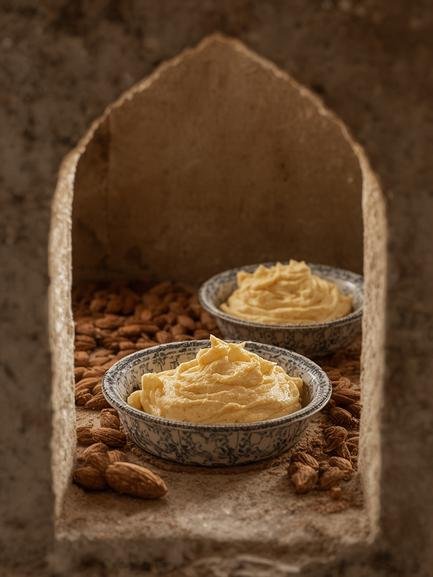

Almond paste dishes represent some of the most beloved sweet treats across global cuisines. The rich, nutty flavor and versatile texture make almond paste a cornerstone ingredient in pastries from Europe to the Middle East and North Africa.
These delicacies often incorporate Moroccan spices like cinnamon and cardamom, creating complex flavor profiles that have delighted dessert lovers for centuries.
The combination of ground almonds, sugar, and sometimes egg whites creates a versatile base that can be molded, baked, or used as filling. Whether you’re enjoying marzipan-filled pastries in Germany, almond-stuffed dates in Morocco, or classic Italian amaretti, almond paste dishes offer a delightful culinary journey. The subtle interplay between sweetness and nuttiness makes these treats perfect companions to mint tea or coffee.
History & Cultural Background

Almond paste has ancient origins dating back to Persia, where almonds were first cultivated thousands of years ago. The technique of grinding almonds with sugar spread throughout the Mediterranean via trade routes, with evidence of almond-based sweets appearing in medieval European and Arabic cookbooks. By the 12th century, monasteries across Europe were perfecting recipes for marzipan and other almond confections, establishing these treats as luxury items.
The cultural significance of almond paste dishes varies widely across regions. In Morocco, they symbolize celebration and hospitality, often served at weddings and religious festivals alongside fragrant Moroccan spices in tea. European traditions feature marzipan sculptures as artistic expressions during Christmas and Easter. In Sicily, almond paste forms the basis of pasta reale, served at important celebrations and considered a symbol of abundance.
Architectural Highlights & Key Features
The beauty of almond paste lies in its remarkable versatility across different culinary traditions. In French patisserie, it forms the foundation of frangipane, a creamy filling that elevates tarts and galettes to sublime heights. Spanish bakers transform it into turron, a nougat-like confection that ranges from soft and chewy to brittle and crunchy depending on the region.
Middle Eastern and North African cuisines utilize almond paste in ways that highlight its natural affinity with honey, rose water, and orange blossom. The texture can be adjusted from smooth and flowing to firm and moldable by varying the ratio of ingredients and cooking methods. This adaptability has made almond paste a favorite among professional pastry chefs and home bakers alike.
Key features of exceptional almond paste dishes include:
– Freshly ground almonds that provide superior flavor and aromatic qualities compared to pre-packaged varieties
– Balanced sweetness that complements rather than overwhelms the natural nuttiness of the almonds
– Thoughtful additions of complementary flavors like citrus zest, vanilla, or Moroccan spices that enhance the base
Best Time to Visit & Practical Information
The ideal time to explore almond paste dishes varies by region, with many European countries featuring their best offerings during Christmas and Easter. In Mediterranean countries, late winter brings almond blossom festivals where fresh almond treats take center stage. Morocco and other North African countries showcase their finest almond confections during Ramadan and Eid celebrations.
Most bakeries specializing in almond paste creations open early, with the best selection available before noon. Prices vary widely depending on quality and location, with artisanal versions commanding premium prices due to their labor-intensive preparation. When visiting dedicated pastry shops, photographs are typically permitted, but always ask before capturing the artisanal process.
Step-by-Step Exploration Guide

To fully appreciate the diversity of almond paste dishes around the world, follow this curated exploration journey. Begin in Southern Europe where the foundations of almond paste traditions were established, then travel to North Africa where Moroccan spices add fascinating dimensions to these sweet treats. Finish your tour in the Middle East, where ancient recipes showcase the versatility of this beloved ingredient.
1. Start with classic European expressions like French macaron, Italian amaretti, and Spanish turron to understand the pure almond paste foundation.
2. Venture to Morocco for kaab el ghzal (“gazelle horns”) and other pastries where almond paste melds with honey, orange blossom water, and subtle spices.
3. Complete your journey with Middle Eastern baklava variations and maamoul cookies that showcase how almond paste integrates with local ingredients and techniques.
Nearby Attractions, Food & Accommodation
When exploring regions famous for almond paste dishes, seek out complementary culinary experiences. In Sicily, pair your almond paste sampling with granita tastings and visits to local pistachio farms. Morocco offers opportunities to visit souks where you can purchase the Moroccan spices that enhance their almond confections, along with cooking classes to learn traditional techniques.
Budget-conscious travelers can find excellent accommodations through homestays in almond-producing regions, where hosts often share family recipes and techniques. In Sicily, agriturismi (farm stays) during almond harvest season provide immersive experiences. Similarly, riads in Morocco often serve homemade almond paste treats as welcome refreshments, giving visitors authentic taste experiences without premium restaurant prices.
Travel Tips & Common Mistakes
– Mistaking marzipan for almond paste and vice versa; almond paste has a higher almond-to-sugar ratio and less processing, resulting in a coarser texture and more pronounced almond flavor.
– Assuming all almond paste dishes taste the same; regional variations in sweetness, texture, and complementary ingredients create vastly different experiences.
– When purchasing almond paste products as souvenirs, check customs regulations as some countries restrict bringing in nut products.
– For those with dietary restrictions, ask about egg whites in almond paste, as traditional recipes often include them as a binding agent.
Conclusion

Almond paste dishes represent a delicious connection to centuries of culinary tradition across diverse cultures. The harmonious marriage of almonds with sugar, honey, and Moroccan spices creates edible masterpieces that continue to evolve while honoring their historical roots. These treats offer travelers a sweet lens through which to understand regional differences and cultural values.
Whether you’re an experienced culinary traveler or a curious sweet tooth, exploring these almond delicacies provides insight into local traditions and celebration rituals. Pack your sense of adventure and an appetite for discovery on your next journey to experience the world’s finest almond paste dishes firsthand!
## FAQs
Q: What’s the difference between marzipan and almond paste?
A: While both contain ground almonds and sugar, marzipan has a higher sugar content and smoother texture, making it better for molding decorative shapes. Almond paste is coarser with a higher proportion of almonds, resulting in a more intense flavor.
Q: Can I make almond paste at home?
A: Yes, homemade almond paste requires just blanched almonds, powdered sugar, an egg white, and almond extract. Process the ingredients in a food processor until they form a thick paste, then refrigerate for up to a month.
Q: Are there any savory dishes that use almond paste?
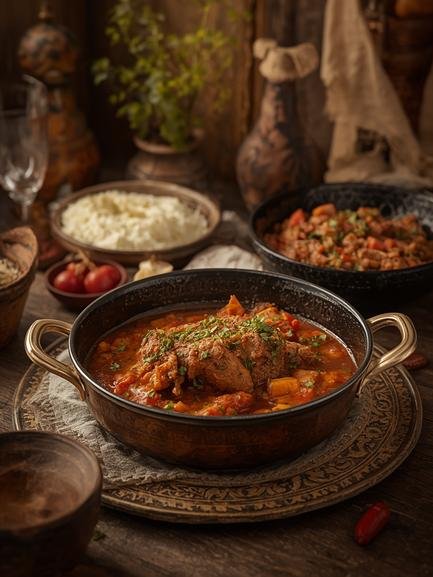
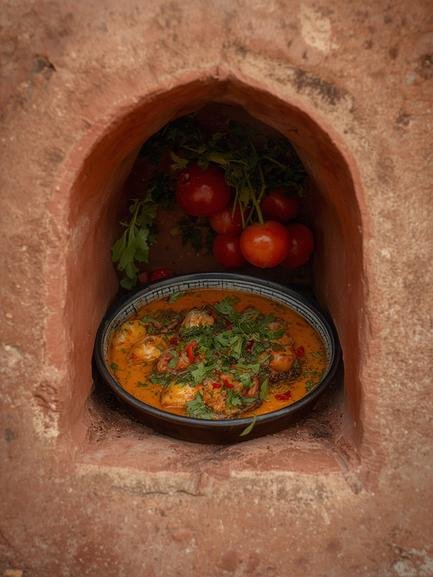
A: While less common, almond paste appears in some savory applications like Moroccan tagines and Spanish sauces. The paste adds richness and body to these dishes without overwhelming sweetness when used in moderation.