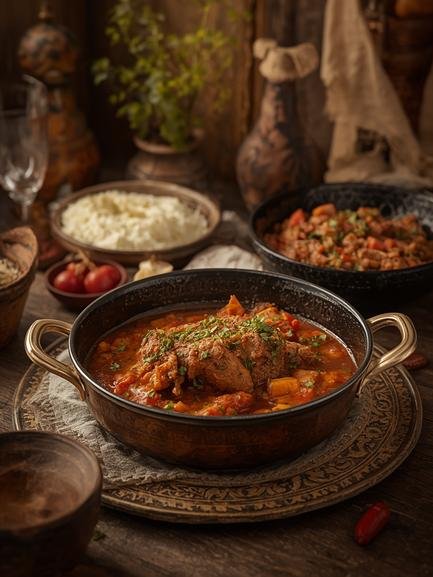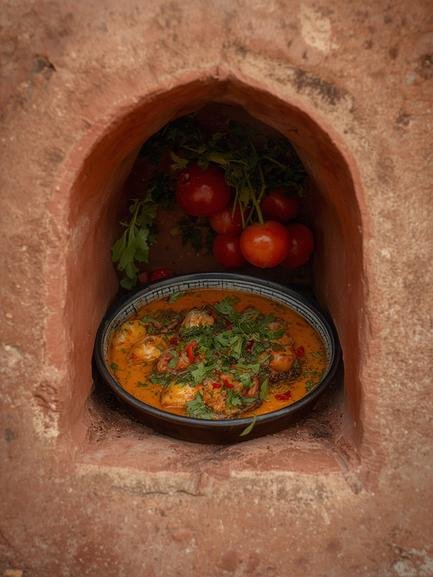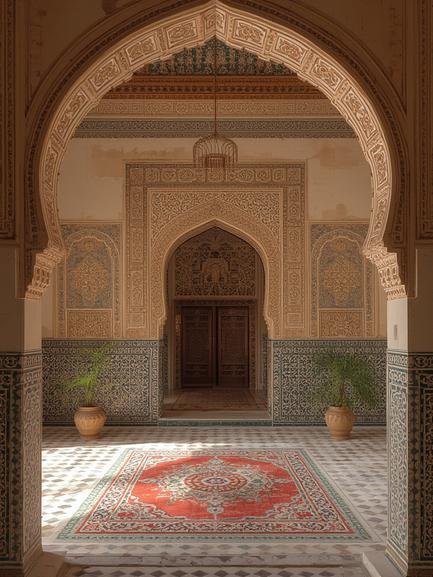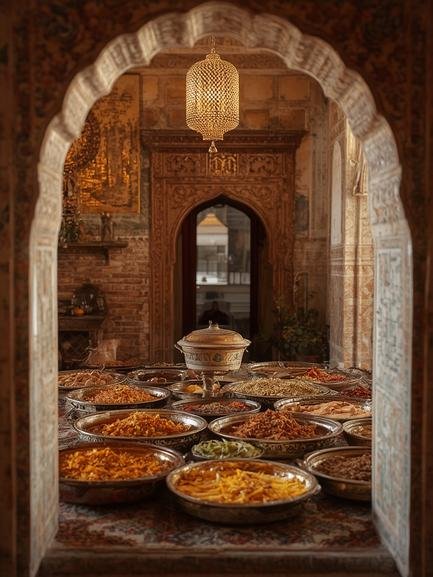

The vibrant capital of Morocco hides a golden culinary secret within its winding medina streets and upscale restaurants. Saffron dishes Rabat showcases are among the most luxurious expressions of Moroccan gastronomy, highlighting the “red gold” that has flavored local cuisine for centuries. The distinct aroma and rich yellow hue of saffron transform ordinary meals into extraordinary experiences that captivate all senses.
In Rabat’s culinary landscape, Moroccan spices reach their pinnacle with saffron at the forefront. This precious ingredient, more valuable than gold by weight, creates a depth of flavor unmatched by any other spice. From royal tagines to celebratory couscous, saffron dishes Rabat restaurants prepare will transport you directly into the heart of authentic Moroccan tradition.
History & Cultural Background
Saffron arrived in Morocco through ancient trade routes, likely introduced by Arab traders during the Islamic conquest of North Africa in the 7th century. The Taliouine region in the south became Morocco’s primary saffron production area, though the spice quickly made its way to royal kitchens in Rabat. The laborious harvesting process, requiring the hand-picking of delicate crimson stigmas from Crocus sativus flowers, explains both its high price and esteemed status.
In Moroccan culture, saffron represents prosperity, celebration, and hospitality – three values deeply embedded in the national identity. The spice appears predominantly in dishes served during significant life events and religious celebrations. In Rabat, as the administrative capital, diplomatic functions and royal ceremonies often feature elaborate saffron dishes Rabat chefs prepare with meticulous attention to tradition.
Signature Saffron Dishes & Key Features
The crown jewel of Moroccan spices creates magic in Rabat’s most beloved recipes. Traditional tagines, slow-cooked in distinctive conical earthenware pots, release complex aromas when saffron mingles with preserved lemons, olives, and tender lamb. The royal kitchens of Rabat developed refined techniques that have filtered down to restaurants and home kitchens throughout the city.
Mrouzia, a sweet and savory feast dish featuring lamb with honey and almonds, gets its distinctive amber hue from generous threads of saffron. Couscous royale, often reserved for Friday family gatherings, achieves its golden color and subtle floral notes from this precious spice. Perhaps most famous is the pastilla, a sweet-savory pastry traditionally made with pigeon but now commonly with chicken, dusted with cinnamon and sugar while saffron-infused filling hides within its crisp layers.
Key saffron dish characteristics in Rabat include:
– Subtle infusion techniques where saffron threads bloom in hot water before cooking
– Balance with complementary Moroccan spices like cinnamon, ginger, and turmeric
– Visual appeal with the distinctive golden color permeating rice and sauce bases
– Reserved use that acknowledges the spice’s expense while maximizing its impact
Best Restaurants & Practical Information
For the finest saffron dishes Rabat has to offer, visit between October and April when temperatures are pleasant and local saffron is at its freshest. The new harvest typically arrives in November, making winter an ideal time to experience the spice at its most potent. During Ramadan, special saffron-infused treats appear throughout the city, offering unique seasonal specialties.
Restaurant Dar Naji in Hassan district serves exceptional saffron tagines in a traditional setting for 120-200 dirhams per person. The upscale Ziryab in the diplomatic quarter offers modern interpretations of saffron classics (250-400 dirhams). For budget options, seek out local favorites like Tajine wa Tanjia near the central market, where saffron-kissed dishes can be enjoyed for 70-100 dirhams. Most restaurants open for lunch (12-3pm) and dinner (7-11pm), with reservations recommended for upscale venues.
Step-by-Step Guide to a Saffron Culinary Tour
Begin your saffron dishes Rabat adventure at the central medina spice market, where vendors display mounds of vibrant Moroccan spices. Look for genuine saffron threads (avoid powdered versions often diluted with turmeric) and learn to identify quality by its distinct aroma and deep red color. Many vendors offer samples to smell – true saffron has a honey-like, slightly metallic fragrance that cannot be replicated.
1. Start with breakfast at Café la Tour Hassan, where saffron infuses delicate pastries and morning dishes like khlea eggs scrambled with preserved meat and subtle saffron notes.
2. For lunch, visit a traditional restaurant like Le Ziryab for their signature saffron couscous royale, where the fluffy semolina grains shimmer with golden threads alongside seven vegetables and tender lamb.
3. In the afternoon, consider a cooking class at Riad Kalaa or similar cooking schools where local chefs reveal the secrets of proper saffron usage – from blooming techniques to ideal pairings with other Moroccan spices.
4. End your day with dinner at upscale Dinarjat, hidden in a restored 17th-century mansion, where their tanjia marrakchia slow-cooks beef with saffron in traditional clay urns buried in hot ashes.
Market Shopping & Accommodation
The Souk es Sebat section of Rabat’s medina contains specialized spice vendors selling varying grades of saffron. Expect to pay 30-40 dirhams for a small packet (about 0.5 grams) of high-quality threads. Ask vendors to explain the difference between the grades – premium saffron has longer, uniformly crimson threads with no yellow parts and intense aroma. Some shops like Herboriste du Paradis even offer saffron-infused oils and beauty products derived from this versatile spice.
For immersive stays, Riad Zyo in the medina offers rooms from 800 dirhams with a restaurant serving excellent saffron dishes Rabat is known for. Mid-range travelers might choose Hotel Lutécia (500-700 dirhams) near restaurant row, while budget travelers can opt for Medina Hostel (150-200 dirhams per night) with communal kitchens where you can try cooking with your newly purchased saffron.
Travel Tips & Common Mistakes
– Mistake: Buying bargain “saffron” that’s actually colored safflower or turmeric. Solution: Purchase only from reputable vendors and check for the distinctive aroma and long red threads.
– Mistake: Overwhelming dishes with too much saffron. Solution: Remember that a little goes a long way – just 4-5 threads can flavor an entire tagine.
– Tip: Store your saffron purchase in an airtight container away from light to preserve its potency for up to two years.
– Tip: Experience saffron beyond food by trying saffron tea (zafran) often served as a digestif after large meals in upscale restaurants.
Conclusion
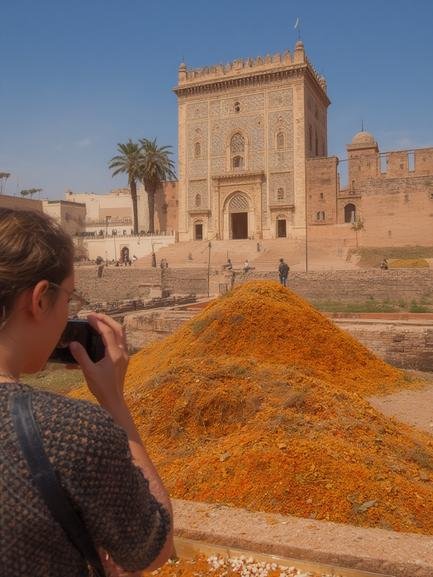
The journey through saffron dishes Rabat offers reveals the soul of Moroccan gastronomy through its most precious spice. From the bustling spice markets to refined restaurant kitchens, saffron weaves a golden thread through the capital’s culinary tapestry. The careful balance of tradition and innovation in how chefs employ Moroccan spices demonstrates why this cuisine has earned worldwide recognition.
Allow yourself to be transported by these fragrant culinary creations that have evolved over centuries yet remain firmly rooted in Moroccan identity. Whether you’re documenting each golden morsel for your social media or simply savoring the moment, saffron dishes Rabat presents will become treasured memories of your Moroccan journey. Don’t leave without bringing home some of this precious spice – a golden souvenir that will infuse your own kitchen with the magic of Morocco.
## FAQs
Q: What is the best saffron dish to try in Rabat for first-time visitors?
A: First-timers should try chicken tagine with preserved lemon and olives, which showcases saffron’s subtle flavor perfectly. This balanced dish appears on most traditional restaurant menus and provides an excellent introduction to Moroccan saffron cuisine.
Q: How can I tell if I’m buying real saffron in Rabat’s markets?
A: Authentic saffron consists of thin, dark red threads with a distinctive sweet-metallic aroma. When placed in warm water, it should slowly release a golden yellow color without immediately turning the water bright yellow (which indicates dyed substitutes).
Q: Are there any saffron-based desserts worth trying in Rabat?
A: Yes, seek out saffron-infused milk puddings like mahalabia or kaab el ghzal (gazelle horns) pastries with saffron-scented almond filling. During Ramadan, look for specialty items like saffron-kissed chebakia (honey-coated sesame cookies) and sellou (spiced nut and sesame confection).