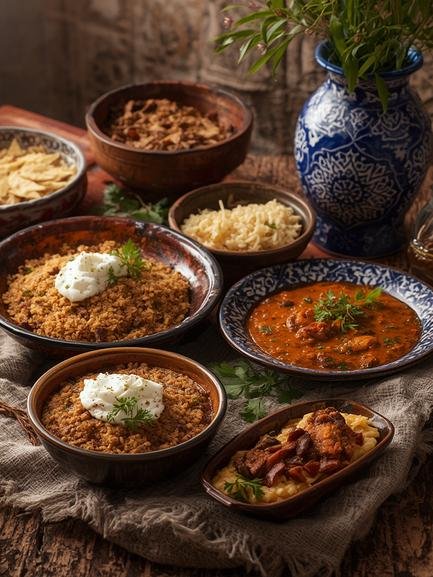

Cinnamon Moroccan dishes represent the heart and soul of North African cuisine, where sweet meets savory in perfect harmony. The warm, aromatic essence of cinnamon elevates traditional recipes into memorable culinary experiences that have captivated food enthusiasts worldwide.
These dishes showcase the ingenious way Moroccan spices transform simple ingredients into complex flavor profiles.
Moroccan cuisine stands out for its masterful use of spices, with cinnamon playing a prominent role in both sweet and savory preparations. From the bustling souks of Marrakech to family kitchens in Fez, cinnamon Moroccan dishes create a sensory journey that tells the story of Morocco’s rich cultural heritage. The distinctive sweet-spicy notes of cinnamon balance perfectly with other Moroccan spices like cumin, turmeric, and ginger.
History & Cultural Background

The use of cinnamon in Moroccan cuisine dates back centuries, influenced by Arab traders who introduced this precious spice to North Africa around the 7th century. As Morocco became a crucial point along ancient spice routes, cinnamon became integrated into the local culinary traditions, particularly in royal kitchens where elaborate dishes were developed to impress distinguished guests.
Cinnamon holds deep cultural significance in Moroccan society, symbolizing prosperity and hospitality. Traditional celebrations and family gatherings almost always feature cinnamon-infused dishes, creating a sense of warmth and welcome. In Moroccan culture, food preparation is considered an art form and an expression of love, with cinnamon dishes often reserved for special occasions and honored guests.
Signature Cinnamon Moroccan Dishes & Key Features
Tagine, Morocco’s most iconic dish, frequently incorporates cinnamon as a key flavor component. These slow-cooked stews combine meat (typically lamb or chicken) with fruits, vegetables, and a complex blend of spices where cinnamon provides distinctive warmth. The conical-shaped tagine pot allows steam to circulate, infusing every ingredient with the aromatic qualities of cinnamon and other spices.
Mrouzia exemplifies the perfect balance of sweet and savory in Moroccan cuisine. This festive lamb tagine combines tender meat with honey, almonds, and a generous amount of cinnamon, creating a rich, complex dish traditionally served during Eid celebrations. The cinnamon in Mrouzia creates a warm foundation that complements the natural sweetness of honey and dried fruits.
B’stilla (or pastilla) represents the height of Moroccan culinary artistry, featuring delicate layers of paper-thin pastry filled with spiced meat (traditionally pigeon, now often chicken) and topped with cinnamon-infused powdered sugar. This unique dish perfectly demonstrates how cinnamon bridges sweet and savory flavors in Moroccan cooking. The contrast between the savory filling and the sweet, cinnamon-dusted exterior creates an unforgettable taste experience.
Key features of cinnamon Moroccan dishes include:
– Complex layering of sweet and savory flavors where cinnamon provides warmth without overpowering
– Slow cooking methods that allow cinnamon to infuse throughout the dish
– Pairing cinnamon with fruits like prunes, apricots, or dates for natural sweetness
– Using cinnamon in both main courses and desserts, creating a cohesive flavor profile throughout a meal
Seasonal Variations & Practical Information
Winter months in Morocco see an increase in hearty cinnamon-spiced dishes like tagines and soups that provide warmth during cooler temperatures. Ramadan, regardless of when it falls in the calendar year, features special cinnamon-infused dishes like harira (a hearty soup) and various sweet treats for breaking the fast. Summer brings lighter cinnamon applications, often in refreshing beverages and fruit-based desserts.
To experience authentic cinnamon Moroccan dishes, consider booking a cooking class in cities like Marrakech or Fez, with prices ranging from $30-75 per person. Many riads (traditional Moroccan houses) offer cooking experiences where you learn to balance cinnamon with other spices correctly. When dining out, expect to pay around $8-15 for a traditional tagine in mid-range restaurants, with upscale establishments charging $20-30 for premium versions.
Step-by-Step Guide to Essential Cinnamon Moroccan Dishes

Creating authentic cinnamon Moroccan dishes at home requires understanding the balance of spices and cooking techniques that define this cuisine. The following guide walks you through preparing three classic dishes that showcase how Moroccan spices create layers of flavor with cinnamon as a starring element.
1. Chicken Tagine with Cinnamon and Preserved Lemon: Begin by marinating chicken pieces in a blend of cinnamon, ginger, turmeric, and saffron. Brown the chicken in olive oil, then add sliced onions, preserved lemons, olives, and additional cinnamon sticks. Cook slowly on low heat for 60-90 minutes until the meat is tender and infused with the aromatic spices.
2. Cinnamon-Spiced Couscous: Toast whole cinnamon sticks in butter until fragrant, then add couscous and coat with the butter. Pour in hot vegetable or chicken stock (1:1 ratio), cover, and let steam for 5 minutes. Fluff with a fork and mix in toasted almonds, dried fruits, and a sprinkle of ground cinnamon for an aromatic side dish that complements tagines perfectly.
3. Moroccan Cinnamon Tea (Shay bil Karfa): This comforting beverage showcases cinnamon in a refreshing format. Simmer cinnamon sticks with green tea leaves, fresh mint, and a small amount of sugar for 5-7 minutes. Strain and serve hot in traditional small glasses, offering a perfect finish to a Moroccan meal or as a welcoming gesture to guests.
Regional Variations, Ingredients & Preparation Methods
Morocco’s diverse regions each have their unique approach to using cinnamon in cooking. Northern coastal cities often combine cinnamon with seafood in unexpected ways, while southern desert regions pair cinnamon with dried fruits in tagines. The imperial cities of Fez and Meknes are known for their elaborate cinnamon-laced pastries that reflect their royal history.
For authentic results when preparing cinnamon Moroccan dishes, source high-quality Ceylon cinnamon rather than the more common Cassia variety. True Moroccan cuisine relies on whole cinnamon sticks that slowly release their flavor during cooking, complemented by ras el hanout (a complex spice blend that includes cinnamon). Traditional clay tagine pots allow for slow, even cooking that perfectly distributes cinnamon’s aromatic compounds throughout the dish.
Common Mistakes & Essential Tips
– Mistake: Adding too much cinnamon, which can overwhelm other flavors. Solution: Start with less than you think you need (about ¼ teaspoon ground or one small stick for a family-sized dish) and adjust to taste.
– Mistake: Using old, stale cinnamon that lacks aroma. Solution: Purchase whole cinnamon sticks and grind as needed; replace your supply every 6-8 months for optimal flavor.
– Tip: Toast cinnamon sticks briefly in a dry pan before adding to dishes to enhance their aromatic qualities.
– Tip: Combine cinnamon with savory herbs like parsley and cilantro to create the complex flavor profile characteristic of authentic Moroccan cuisine.
Conclusion

Cinnamon Moroccan dishes represent a perfect harmony of flavors that have evolved over centuries of culinary tradition. The thoughtful integration of cinnamon with other Moroccan spices creates meals that are both comforting and exotic, offering a sensory journey through Morocco’s rich cultural landscape. These dishes tell the story of Morocco’s history as a crossroads of civilizations, where spices became the language of hospitality and celebration.
Whether you’re exploring Morocco or recreating these flavors at home, understanding the role of cinnamon in these traditional recipes connects you to centuries of culinary wisdom. The next time you prepare a tagine or sip cinnamon-infused Moroccan tea, appreciate how this humble spice has become the backbone of one of the world’s most distinctive cuisines. Experience cinnamon Moroccan dishes firsthand to truly understand how Moroccan spices transform ordinary ingredients into extraordinary culinary memories.
## FAQs
Q: What is the best cinnamon to use in Moroccan cooking?
A: Ceylon cinnamon (often called “true cinnamon”) is preferred for Moroccan dishes due to its subtle, complex flavor. It has a lighter, more delicate taste compared to the more common Cassia cinnamon found in most supermarkets.
Q: Can I make authentic cinnamon Moroccan dishes without a tagine pot?
A: Yes, while a traditional clay tagine pot creates the ideal environment for these dishes, you can use a heavy-bottomed Dutch oven or slow cooker. The key is maintaining low, even heat and allowing sufficient time for the cinnamon flavors to develop.
Q: How do Moroccans balance the sweetness of cinnamon in savory dishes?
A: Moroccan cooks counterbalance cinnamon’s sweetness with acidic ingredients like preserved lemons, tangy olives, or a splash of vinegar. They also pair cinnamon with savory herbs and pungent garlic to create a complex flavor profile that isn’t overtly sweet.