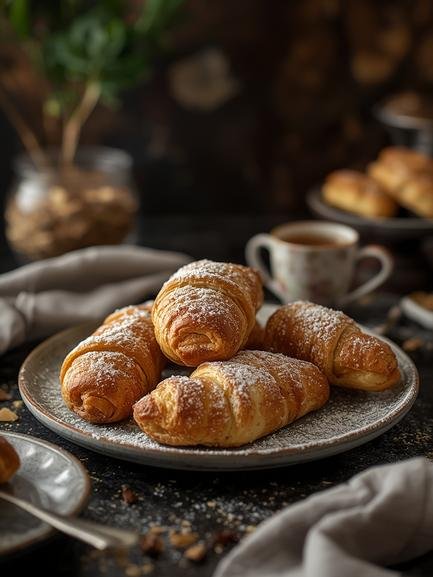

Gazelle horn pastries are one of Morocco’s most beloved and elegant sweet treats, captivating visitors with their distinctive crescent shape and delicate flavor. These crescent-shaped almond cookies, known locally as “Kaab el Ghazal” (meaning gazelle ankles), represent the pinnacle of Moroccan pastry craftsmanship. Their preparation involves a meticulous process incorporating almond paste, Moroccan spices, and aromatic orange blossom water, creating a sensory experience unlike any other dessert.
The exquisite combination of textures—a tender, crumbly exterior giving way to a moist, fragrant filling—makes these gazelle horn pastries a must-try for any culinary adventurer. Their popularity extends far beyond Morocco’s borders, appearing in pastry shops throughout North Africa and increasingly in European and American bakeries specializing in Mediterranean sweets.
History & Cultural Background

The origins of gazelle horn pastries date back several centuries to imperial Morocco, particularly in the ancient cities of Fez and Marrakech. Historical accounts suggest these pastries were initially created in royal kitchens during the Almoravid dynasty in the 11th century, when almond cultivation flourished in the region. The distinctive crescent shape emerged as both an artistic expression and a practical design that allowed for even baking.
These pastries hold profound cultural significance in Moroccan society, appearing at virtually every important celebration and ceremony. They are essential components of wedding festivations, religious holidays like Eid, and traditional tea ceremonies. The labor-intensive preparation process is often passed down through generations, with family recipes guarded as precious heirlooms that preserve unique touches of Moroccan spices and techniques.
Architectural Highlights & Key Features
The architectural beauty of gazelle horn pastries lies in their precision-crafted crescent shape, which requires considerable skill to form properly. Master pastry chefs flatten dough to paper-thin consistency, creating a delicate wrapper that encases the almond filling. The exterior typically displays intricate patterns created using specialized pincer tools or small decorative molds that leave distinctive impressions.
The pastry’s pale golden exterior contrasts beautifully with its soft interior, creating a visual harmony that reflects Moroccan aesthetic principles. When baked correctly, the surface achieves a subtle sheen without browning excessively, preserving the light color that makes these pastries instantly recognizable on any dessert platter.
Key features that define authentic gazelle horn pastries include:
– Almond paste filling infused with orange blossom water, creating a distinctive floral aroma
– Paper-thin pastry exterior with a delicate crumb and subtle sweetness
– Decorative patterns pressed into the surface, often featuring geometric designs
– A precise crescent shape that maintains its form even after baking
Best Time to Visit & Practical Information
While gazelle horn pastries are available year-round in Morocco, experiencing them during religious festivities like Ramadan or Eid provides the most authentic context. During these periods, pastry shops elevate their production to meet increased demand, often displaying their finest craftsmanship. The cooler months between October and April are ideal for culinary exploration in Morocco, when the weather is pleasant for wandering through markets and bakeries.
Prices for gazelle horn pastries vary by location and quality, ranging from 5-15 dirhams ($0.50-$1.50) per piece in traditional bakeries to 20-30 dirhams ($2-$3) in upscale patisseries catering to tourists. Most bakeries open early, around 7:00 AM, and close by 8:00 PM. No special dress code is required when visiting bakeries, though modest attire is always appreciated when exploring Morocco generally.
Step-by-Step Exploration Guide
To fully experience gazelle horn pastries in Morocco, follow this curated pathway through the country’s pastry tradition. Begin in the ancient medina of Fez, where some of the oldest bakeries still prepare these delicacies using traditional methods and authentic Moroccan spices. The narrow alleys of the medina conceal family-run establishments that have perfected their recipes over generations.
1. Start at La Maison des Gazelles in Fez, a renowned pastry shop specializing exclusively in gazelle horns, where you can watch artisans preparing these delicate crescents through an open kitchen window. Their signature version incorporates a hint of cinnamon and lemon zest in the almond filling.
2. Continue to Marrakech’s Patisserie des Princes near Jemaa el-Fnaa square, where you’ll find slightly sweeter variations often dusted with the finest powdered sugar. Their elegant packaging makes these pastries perfect gifts to bring home.
3. Complete your journey in the coastal city of Essaouira, where local bakers add a unique twist by incorporating argan oil into their dough, creating a distinctive nutty undertone. Patisserie Driss offers a demonstration class where visitors can try their hand at shaping these notoriously difficult crescents.
## Nearby Attractions, Food & Accommodation
When exploring gazelle horn pastries in Morocco’s medinas, don’t miss the adjacent attractions that complement your culinary adventure. In Fez, combine your pastry sampling with a visit to the nearby Chouara Tannery, where leather crafting traditions date back nearly a millennium. Marrakech offers the stunning Bahia Palace just minutes from the best pastry shops, while Essaouira’s port provides a fascinating glimpse into Morocco’s fishing industry.
Budget travelers can find comfortable riads (traditional Moroccan houses with interior courtyards) throughout the medinas for approximately 250-400 dirhams ($25-40) per night. For a more authentic experience, consider Riad Rcif in Fez or Riad Baladin in Essaouira, both offering private rooms with shared access to rooftop terraces where you can enjoy your freshly purchased pastries with mint tea. Many riads also offer cooking classes focusing on traditional Moroccan sweets, including Moroccan spices and pastries.
Travel Tips & Common Mistakes
– Purchasing gazelle horns from large tourist restaurants often results in less authentic, mass-produced versions; instead, seek out small family bakeries where quality and craftsmanship are prioritized.
– Assuming all gazelle horns taste the same overlooks regional variations; sample versions from different cities to appreciate subtle differences in sweetness and spicing.
– Keep pastries in an airtight container rather than refrigerating them, as cold temperatures can harden the delicate almond filling.
– Purchase gazelle horns in the morning when bakeries put out fresh batches, ensuring optimal texture and flavor.
## Conclusion
Gazelle horn pastries represent more than just a sweet treat—they embody centuries of Moroccan culinary tradition, craftsmanship, and cultural identity. Their meticulous preparation, incorporating precious ingredients like almonds, orange blossom water, and Moroccan spices, speaks to a society that values patience and artistic expression in food preparation. Each crescent pastry tells a story of cultural exchange, imperial influence, and regional adaptation.
Don’t merely observe these culinary treasures from afar—immerse yourself in Morocco’s sweet tradition by seeking out authentic bakeries, participating in a pastry workshop, or attempting the recipe in your own kitchen. The reward transcends mere flavor, connecting you to generations of Moroccan families who have gathered around these delicate crescents to celebrate life’s most precious moments.
## FAQs
Q: What does “Kaab el Ghazal” mean in relation to gazelle horn pastries?
A: “Kaab el Ghazal” translates directly to “gazelle ankles” or “gazelle horns” in Arabic, referring to the distinctive crescent shape of these pastries. The name poetically captures the delicate, curved form that resembles a gazelle’s graceful legs.
Q: Can gazelle horn pastries be prepared without almonds for people with nut allergies?
A: Traditional gazelle horn pastries rely fundamentally on almond paste for their characteristic flavor and texture. While some bakers experiment with alternative fillings using sesame paste or coconut, these variations significantly depart from the authentic recipe and are rarely found in Morocco.
Q: How long do gazelle horn pastries stay fresh after baking?
A: When stored properly in an airtight container at room temperature, gazelle horn pastries maintain their quality for approximately 2-3 weeks. Their relatively dry composition, particularly in the almond filling, contributes to this impressive shelf life compared to many other pastries.
BODY_END