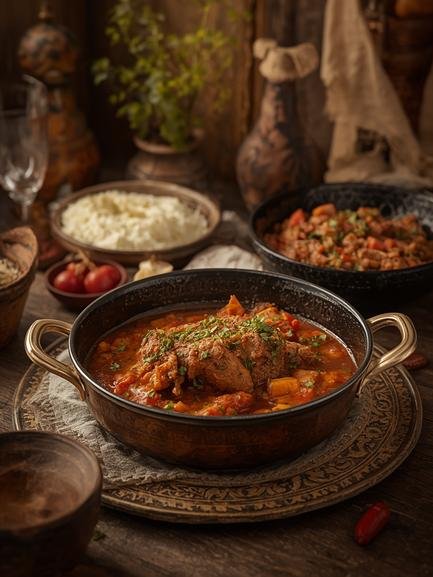

Morocco’s culinary landscape is defined by its aromatic spices and slow-cooking techniques, with Tajine de lamb standing as perhaps the most iconic representation of this rich gastronomic heritage. Named after the distinctive clay pot in which it’s prepared, this succulent dish captures the essence of Moroccan hospitality and craftsmanship. The slow-simmered Moroccan tagine tradition transforms simple ingredients into complex flavor profiles, making it a must-experience for culinary travelers.
When visiting Morocco, understanding the cultural significance and preparation methods of this dish provides insights into centuries of Berber, Arab, and Mediterranean influences that have shaped the country’s identity.
History & Cultural Background

The tajine’s history stretches back over a thousand years to the 9th century, originating with the Berber people of North Africa. The distinctive conical-shaped cooking vessel was designed to address the practical challenges of desert cooking, allowing for slow cooking with minimal water over charcoal or wood fires. The clay pot’s ingenious design—a wide base with a tall, cone-shaped lid—creates a natural condensation cycle that returns moisture to the food, making it ideal for tenderizing tougher cuts of meat.
The spread of tajine cooking throughout Morocco parallels the country’s complex cultural evolution. As Arab influences permeated North Africa, new spice combinations were introduced, creating the complex flavor profiles we associate with Moroccan cuisine today. During the Moorish occupation of Spain, further culinary exchanges occurred, bringing ingredients like olives, dried fruits, and nuts into traditional tajine recipes. By the 16th century, tajine had become firmly established as a cornerstone of Moroccan cuisine, with regional variations developing across the country.
In Moroccan culture, the tajine represents more than just a cooking method—it embodies the core values of hospitality and community. Traditionally served communally from the cooking vessel itself, tajine dishes create a shared dining experience that brings families and communities together.
Architectural Highlights of the Tajine Pot
The tajine pot itself is a masterpiece of functional design that has remained largely unchanged for centuries. The traditional vessel consists of two parts: a flat circular base where the food is placed, and a conical lid that traps and circulates steam during cooking. This design creates a continuous cycle of condensation that bathes the ingredients in their own juices, concentrating flavors and tenderizing even the toughest cuts of meat.
Traditional tajines are crafted from clay, often unglazed in rural areas or beautifully glazed and decorated in urban centers. The material itself contributes to the unique flavor profile, as clay imparts subtle earthy notes to the food while regulating cooking temperatures perfectly. The wide, shallow base allows ingredients to be arranged artistically, with meat typically forming a central mound surrounded by vegetables and fruits.
Modern adaptations include cast iron and ceramic versions designed for contemporary kitchens, though purists insist that only clay tajines produce authentic results. The pot’s design, perfected over centuries, stands as a testament to Moroccan ingenuity and the deep connection between function and cultural identity.
Best Time to Cook & Practical Information
While tajine is enjoyed year-round in Morocco, seasonal ingredients dramatically influence its character. Winter tajines often feature heartier preparations with dried fruits and nuts, while summer versions may incorporate fresh vegetables and lighter spice profiles.
In Morocco, tajines are traditionally cooked over charcoal in specialized braziers called majmars, with cooking times ranging from 1.5 to 4 hours depending on the ingredients. For travelers wishing to learn authentic preparation methods, numerous cooking schools across Marrakech, Fez, and Essaouira offer half-day and full-day courses, typically priced between $30-80 USD.
Key tajine varieties include lamb with prunes and almonds (popular in Fez), chicken with preserved lemon and olives (common in Marrakech), and seafood tajines (prevalent in coastal regions). Each region puts its unique stamp on the dish through local ingredients and spice combinations.
Step-by-Step Exploration Guide to Making Tajine
Creating an authentic Tajine de lamb is a journey through Moroccan culinary traditions that rewards patience and attention to detail. Begin by selecting quality ingredients: tender lamb shoulder (preferably bone-in for flavor), fresh vegetables like carrots and potatoes, and the essential Moroccan tagine spice blend typically including cumin, coriander, cinnamon, and saffron.
The preparation process unfolds in distinct stages:
1. Marinating the meat: Combine your lamb pieces with olive oil, minced garlic, fresh ginger, and spices. Allow this to rest for at least 2 hours, though overnight marination delivers superior results.
2. Layering the tajine: Begin by placing thinly sliced onions on the base of your tajine pot, creating a protective bed that prevents burning. Arrange the marinated meat in a mound at the center, then artfully position vegetables around it.
3. Building flavor: Add preserved lemons, green olives, and dried fruits like apricots or prunes for the classic sweet-savory balance. Pour in just enough water or broth to barely cover the base ingredients.
4. The slow cook: Place your tajine over low heat, bringing it very slowly to a gentle simmer. Once simmering begins, resist the urge to remove the lid, as this disrupts the crucial steam cycle. Cook for approximately 2.5-3 hours, or until the meat falls effortlessly from the bone.
5. Final touches: Just before serving, sprinkle with freshly chopped cilantro and toasted almonds for textural contrast.
For the most authentic experience, serve directly from the tajine pot, accompanied by fresh bread for soaking up the flavorful sauce.
Nearby Culinary Traditions, Accompaniments & Hospitality
The tajine never stands alone in Moroccan cuisine but forms part of a broader culinary landscape. Begin a traditional Moroccan meal with a selection of cold salads known as taktouka, followed by the tajine as the centerpiece, and perhaps concluding with sweet mint tea and honey-drenched pastries.
Essential accompaniments include:
– Khobz: Round Moroccan bread, slightly chewy and perfect for scooping up tajine sauce
– Harissa: A fiery chili paste added according to personal preference
– Preserved lemons: Intensely flavored and essential to many tajine recipes
– Mint tea: The traditional beverage served throughout the meal
For travelers seeking authentic tajine experiences, recommended restaurants include Al Fassia in Marrakech (famous for their lamb tajine with prunes), Dar Hatim in Fez (specializing in family recipes), and Riad Dar Nawfal in Rabat for home-style cooking in a traditional setting.
Cooking Tips & Common Mistakes to Avoid
Creating authentic tajine at home requires attention to several critical details:
– Don’t rush the process: The slow cooking method is essential for developing complex flavors and tender meat.
– Avoid excessive liquid: Traditional tajines use minimal water, allowing ingredients to steam in their own juices.
– Season properly: Moroccan cuisine balances sweet and savory elements carefully—taste and adjust throughout cooking.
– Respect the vessel: If using a clay tajine, never place it directly over high heat or thermal shock will crack it. Always use a diffuser.
– Layer ingredients strategically: Harder vegetables should be placed closer to the heat source, with meat centered above them.
Common mistakes include lifting the lid during cooking (which disrupts the steam cycle), adding too many competing flavors, and overcrowding the tajine pot, which prevents proper heat circulation.
Conclusion

The journey through Tajine de lamb reveals much more than a delicious meal—it unveils centuries of Moroccan history, cultural exchange, and culinary wisdom. This iconic dish represents the Moroccan gift for transformation—turning simple ingredients into complex flavors, making tough cuts tender, and converting mealtimes into memorable social experiences. Whether experienced in a bustling Marrakech restaurant, during a home-stay in the Atlas Mountains, or recreated in your own kitchen, Moroccan tagine offers a sensory gateway into North African culture that lingers in memory long after the meal concludes. As you plan your Moroccan adventure or explore its cuisine from afar, let the tajine be your guide to understanding the depth and beauty of this remarkable culinary tradition.
FAQs
How long does it take to cook an authentic lamb tajine?
An authentic lamb tajine requires patience, typically cooking for 2.5-3 hours over low heat. This slow cooking process is essential for developing the complex flavors and achieving the meltingly tender meat that defines this dish.
Can I prepare tajine in advance when hosting guests?
Yes, tajine actually improves with time as the flavors meld. Prepare it a day ahead, refrigerate, and gently reheat covered over low heat. Many Moroccan hosts consider next-day tajine superior to freshly made.
Is a specialized tajine pot necessary for cooking this dish?
While not absolutely necessary—a Dutch oven can substitute—traditional clay tajines impart unique earthy notes and create the perfect moisture cycle that defines authentic tajine. The vessel is both functionally superior and aesthetically traditional.
What are the essential spices needed for authentic Moroccan tajine?
The foundation of Moroccan tajine spicing includes cumin, coriander, cinnamon, ginger, turmeric, and saffron. Regional variations may incorporate ras el hanout (a complex spice blend), paprika, or chili for heat.
How is tajine traditionally eaten in Morocco?
Tajine is traditionally served communally, with diners seated around the tajine pot. Using the right hand only, pieces of bread (never forks) are torn and used to scoop portions from the communal dish, with each person eating from the section directly in front of them.