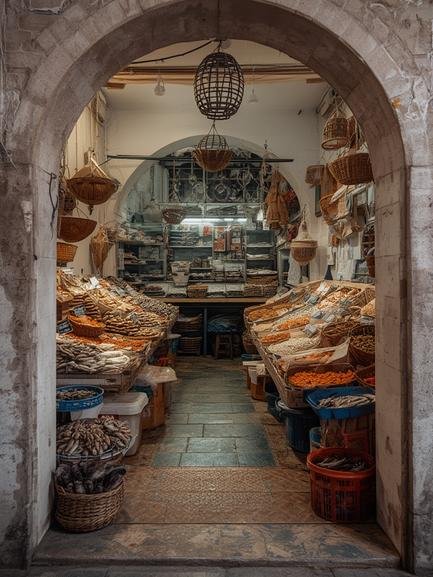

When exploring Morocco’s capital city, few experiences capture the authentic pulse of local life like the Rabat seafood market. This bustling hub of activity represents the heart of the city’s coastal identity, where the day’s fresh catches transform into culinary masterpieces. Located near the historic Kasbah of the Udayas, this market serves as both a working commercial center for locals and an unforgettable sensory adventure for visitors. The vibrant atmosphere, combined with the incredible variety of Moroccan seafood specialties, creates an authentic experience that connects travelers to the rhythms of daily life in this seaside capital.
History & Cultural Background
The fish markets of Rabat trace their origins back several centuries, evolving alongside the city’s relationship with the Atlantic Ocean. Since ancient times, fishing has been integral to survival and commerce in the region. The current market structure, although modernized, stands on a site that has served as a trading point for marine bounty since at least the 18th century when Rabat emerged as an important port city.
During the French protectorate period (1912-1956), the market underwent formalization with designated spaces and improved sanitation. After independence, it became a symbol of Moroccan self-sufficiency and coastal heritage. The market’s resilience through changing political landscapes reflects its fundamental importance to Rabat’s identity and economy.
For generations, specific fishing families have maintained stalls here, passing down not only their spaces but also specialized knowledge of seafood preparation, selection, and traditional recipes. This continuity has preserved authentic techniques that might otherwise have been lost to modernization.
Architectural Highlights & Key Features
The market blends traditional Moroccan design elements with practical functionality. While not as ornate as other Moroccan structures, its layout reveals careful planning to facilitate the daily flow of commerce. The main hall features high ceilings with strategic ventilation designed to manage the distinct aroma of fresh seafood.
White tile surfaces dominate the interior, ensuring easy cleaning and reflecting the Mediterranean tradition of brightness and cleanliness in food spaces. The stall configuration follows a logical progression that experienced market-goers navigate instinctively – moving from whole fish displays to cleaning stations and specialized vendors.
Notable features include:
– The central auction area where wholesale transactions occur in the early morning hours
– Traditional wooden display tables sloped toward customers for optimal viewing
– Ice-packed displays in a rainbow of silver, pink, and blue hues from the diverse catches
– The specialized section for shellfish and crustaceans
– Peripheral areas where fishmongers clean and fillet purchases upon request
The market’s simple yet purposeful design prioritizes function over form, creating an authentic workspace that visitors can appreciate for its genuine character rather than tourist-oriented embellishments.
Best Time to Visit & Practical Information
For the freshest selection and most dynamic experience, early morning (6:00-8:00 AM) provides an unfiltered view of the market in full swing. This is when restaurants source their daily supplies, and the auction activity reaches its peak. However, for those preferring a less crowded experience, mid-morning (9:00-11:00 AM) offers a more relaxed atmosphere while still ensuring good selection.
The market operates daily except Mondays when many fishermen take their rest day. It’s generally open from 6:00 AM until around 6:00 PM, though activity noticeably diminishes in the afternoon hours.
Entry is free, making it an excellent budget-friendly activity. While no formal dress code exists, practical considerations suggest:
– Closed-toe shoes (floors can be wet)
– Casual, washable clothing (fish scales have a way of finding themselves onto visitors)
– A light jacket in winter months as the open design can be breezy
Public transportation options include:
– Tram Line 2 to Hassan station (15-minute walk)
– Petit taxi from downtown (approximately 15-20 dirhams)
– Walking from the Kasbah of Udayas (10 minutes)
Step-by-Step Exploration Guide
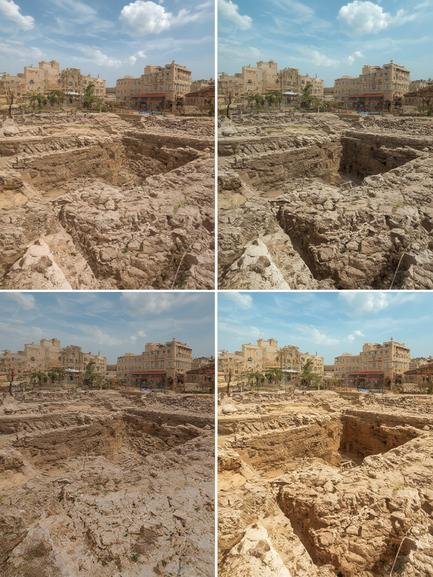
To fully experience the Rabat seafood market, follow this strategic route that balances immersion with efficient navigation:
1. Begin at the main entrance (south side) for the broadest initial view of the market’s scope and activity.
2. Circle the perimeter first to observe the different sections before diving into the central areas. This orientation helps avoid missing hidden corners.
3. Visit the auction area (if before 8:00 AM) to witness the fascinating bidding process where restaurants and vendors compete for the best catches.
4. Explore the whole fish section where the most impressive specimens are displayed. Look for local specialties like sea bream (dorade), red mullet, and the prized sea bass.
5. Continue to the shellfish corner featuring oysters from Oualidia, mussels, and various clams. This area often provides the best photo opportunities with its colorful displays.
6. Visit the crustacean section where live crabs and lobsters are kept in tanks. The most vibrant Moroccan seafood specialties are often found here.
7. Pause at the preparation stations where fishmongers demonstrate incredible knife skills as they clean and fillet purchases with remarkable speed and precision.
8. End at the small row of spice vendors at the eastern edge who sell the exact seasonings needed for traditional Moroccan seafood dishes like charmoula.
For the most authentic photographs, ask permission before taking pictures of vendors or their displays. A small purchase often earns goodwill and better photo opportunities.
Nearby Attractions, Food & Accommodation
After exploring the market, complement your experience with these nearby destinations:
Attractions within walking distance:
– Kasbah of the Udayas (10 minutes) – Historic fortress with stunning ocean views
– Andalusian Gardens (12 minutes) – Peaceful retreat with traditional landscaping
– Rabat Beach (15 minutes) – Perfect for a seaside stroll
– Hassan Tower and Mohammed V Mausoleum (25 minutes) – Major historical monuments
Where to enjoy your market finds:
– Restaurant Dar El Bahar – Will cook your purchased seafood for a reasonable fee
– Le Dhow – Floating restaurant with views of the kasbah
– La Cantine des Gazelles – Small eatery serving simple, perfectly prepared fish dishes
Accommodation options:
– Budget: Riad Meftaha – Charming guesthouse with traditional decor
– Mid-range: Hôtel La Tour Hassan – Elegant accommodations with local character
– Luxury: Sofitel Rabat Jardin des Roses – Premium amenities with Moroccan touches
Travel Tips & Common Mistakes to Avoid
Common mistakes to avoid:
– Visiting on Mondays when the market is closed or in late afternoon when selection is limited
– Touching the merchandise without permission (point instead of handling)
– Failing to negotiate prices (even slightly) as fixed pricing is uncommon
– Wearing open-toed shoes or valuable clothing that may be damaged
– Assuming all vendors speak English (basic French or Arabic phrases are helpful)
Practical tips:
– Bring small bills and coins for easier transactions
– Carry a small cooler bag if purchasing seafood for later consumption
– Learn the phrase “bghit…” (“I would like…” in Moroccan Arabic) followed by pointing
– Request “ndif” (clean) if you want your purchase gutted and prepared
– For photography enthusiasts, the soft morning light between 7:00-8:30 AM creates the best conditions
Conclusion
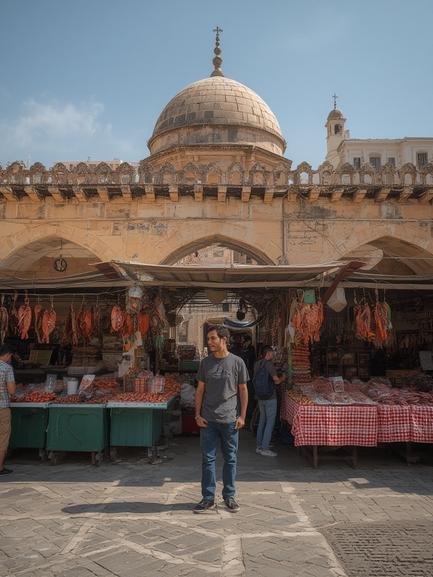
The Rabat seafood market provides travelers with that rare combination of authentic cultural immersion and sensory delight that defines truly memorable travel experiences. Unlike more curated tourist attractions, this working market offers an unfiltered glimpse into the maritime heritage that has sustained the capital for centuries. The knowledge passed between generations of fishmongers, the specialized techniques for preparing each type of seafood, and the community interactions all reveal aspects of Moroccan coastal life that remain hidden in more polished settings. Whether you’re a culinary enthusiast seeking the freshest ingredients for a cooking class, a photographer capturing daily life, or simply a curious traveler wanting to experience the genuine rhythm of the city, the vibrant atmosphere and extraordinary diversity of Moroccan seafood specialties make this market an essential stop on any thoughtful Rabat itinerary. Take the morning to wander its aisles, engage with vendors, and witness firsthand the maritime bounty that connects this capital city to its Atlantic shores.
FAQs
How safe is the Rabat seafood market for tourists?
The market is generally very safe for visitors, with normal precautions for crowded spaces advised. Keep valuables secure and be aware of your surroundings, particularly during busy morning hours. Vendors are accustomed to tourists and many are protective of visitors to maintain the market’s positive reputation.
How long should I plan to spend at the market?
For a comprehensive visit, allocate 1-2 hours. This allows time to observe all sections, interact with vendors, and perhaps arrange for purchases. Photography enthusiasts might want additional time to capture the changing light and activities throughout the morning.
Can I purchase seafood as a tourist staying in a hotel?
Yes, many vendors can package selections for transport. Additionally, several nearby restaurants will cook your market purchases for a nominal fee, offering the perfect solution for tourists without cooking facilities.
Is photography allowed in the market?
Photography is generally permitted, but always ask permission before taking photos of individual vendors or their stalls. A small purchase often creates goodwill and better photography opportunities. Some vendors may decline or expect a small tip.
What should I know about local customs when visiting the market?
Greeting vendors with “Salam” (hello) is appreciated. Modest dress is respectful though not strictly required. When examining seafood, point rather than touch unless invited to do so. Mild haggling is expected but should remain respectful as prices for fresh items have reasonable limits.