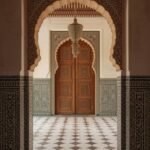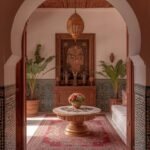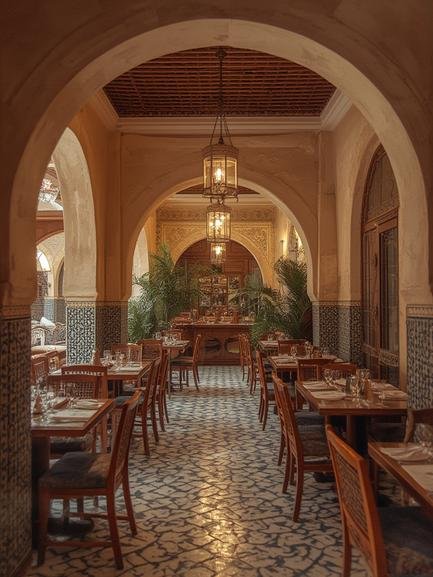

The enchanting labyrinth of narrow alleyways and centuries-old architecture of Rabat’s ancient medina hides some of Morocco’s most authentic culinary treasures. Rabat medina restaurants offer visitors a genuine taste of Moroccan cuisine in settings that transport you back in time. From hole-in-the-wall eateries frequented by locals to more refined establishments serving traditional dishes with contemporary twists, dining in the medina is an essential part of experiencing the capital’s rich cultural heritage.
For those seeking Moroccan authentic cuisine, the medina’s culinary landscape provides a perfect blend of flavors, aromas, and hospitality that define Moroccan dining culture.
History & Cultural Background
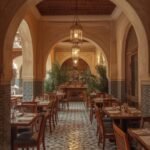
The Rabat medina dates back to the 12th century when the Almohad dynasty established the city as a fortified capital. This ancient quarter has been a center for commerce, crafts, and cuisine for centuries, with many food traditions being preserved through generations of family-owned eateries.
Unlike the more touristic medinas of Marrakech or Fez, Rabat’s old city maintains a distinctly authentic character, with restaurants that primarily cater to local tastes rather than tourist expectations. Many establishments have histories spanning decades or even centuries, with recipes passed down through generations.
The medina’s culinary identity reflects Rabat’s unique position as both a coastal city and a royal capital. Influences from Berber, Arab, Andalusian, and French culinary traditions merge here, creating a distinctive gastronomic landscape. Traditional cooking methods like slow-cooking in tagines and clay ovens continue to be used in many medina kitchens, preserving authentic flavors and techniques.
Architectural Highlights & Key Features
Most restaurants within Rabat’s medina showcase traditional Moroccan architectural elements that enhance the dining experience. Look for:
– Riads: Some of the finest dining experiences can be found in converted traditional houses centered around interior courtyards, often featuring fountains and intricate tilework.
– Zellige Tilework: The colorful geometric patterns adorning walls and tables are not just decorative but represent centuries of Moroccan craftsmanship.
– Carved Cedar Ceilings: Many established restaurants feature elaborately carved wooden ceilings, demonstrating the importance of woodworking in Moroccan design.
– Traditional Seating: Low cushioned seating areas called “sdader” offer a traditional dining experience in many authentic establishments.
– Outdoor Terraces: Some restaurants feature rooftop terraces with panoramic views of the medina and, in some cases, the Atlantic Ocean beyond.
The intimate scale of most medina restaurants creates an immersive atmosphere, with seating often arranged to encourage communal dining experiences that reflect traditional Moroccan hospitality.
Best Time to Visit & Practical Information
Optimal Timing
– Lunch service: 12:00 PM – 2:30 PM (many smaller establishments close after lunch)
– Dinner service: 7:00 PM – 10:30 PM
– Ramadan hours: During the holy month, many restaurants close during daylight hours but offer special iftar meals at sunset.
– Seasonal considerations: Fall (September-November) and spring (March-May) offer the most pleasant temperatures for exploring the medina before or after dining.
Practical Tips
– Reservations: Recommended for dinner at popular establishments, especially on weekends.
– Dress code: While casual attire is acceptable, modest dress showing respect for local customs is appreciated.
– Payment: Smaller establishments may accept cash only; larger restaurants typically accept credit cards.
– Languages: Arabic and French are most common, though many restaurant staff speak some English.
– Getting there: The medina is accessible on foot from Avenue Mohammed V or by taxi to Bab El Had (one of the main medina gates).
Step-by-Step Exploration Guide
Morning Exploration Route
1. Start at Bab El Had: Begin at this main entrance to the medina where several small cafes offer traditional Moroccan breakfast of msemen (folded pancakes) and mint tea.
2. Rue Souika: Follow this main artery through the medina, noting several small restaurants that will open for lunch later.
3. Market Areas: Mid-morning is perfect for exploring the food markets where restaurants source their ingredients – the fish market near the ocean side of the medina showcases what might appear on your plate later.
4. Lunch at a Traditional Spot: By midday, seek out one of the Rabat medina restaurants near the Andalusian Gardens for lunch, where you can enjoy Moroccan authentic cuisine such as tagine or couscous in a historic setting.
Evening Route
1. Pre-Dinner Walk: Start near the Kasbah des Oudaias around sunset, then make your way through the northern section of the medina.
2. Hidden Gems: Explore the less-traveled alleyways where some of the most authentic family-owned restaurants are tucked away.
3. Dinner Experience: Choose a riad restaurant for dinner, where you can enjoy a multi-course Moroccan meal in a traditional setting, often accompanied by live music.
4. After Dinner: Finish with mint tea and pastries at one of the cafes near Rue Souika.
Nearby Attractions, Food & Accommodation
Must-Visit Sites Near the Medina
– Kasbah des Oudaias: Historic fortress with stunning ocean views, just a 10-minute walk from the medina
– Hassan Tower: 12th-century minaret and the incomplete mosque, a 15-minute walk
– Chellah: Ancient Roman and medieval Islamic ruins, a short taxi ride away
– Royal Palace: While not open to the public, its impressive entrance is worth seeing
– Andalusian Gardens: Perfect for a post-meal stroll
Accommodation Options
Budget:
– Riad Dar Jabador: Authentic riad experience within the medina
– Medina Hostel: Affordable option for backpackers
Mid-range:
– Riad Kalaa: Restored 18th-century residence in the heart of the medina
– Dar El Kebira: Boutique hotel with traditional decor
Luxury:
– Villa Mandarine: Upscale option just outside the medina
– Sofitel Rabat Jardin des Roses: Premium accommodation a short drive away
Travel Tips & Common Mistakes to Avoid
Common Mistakes
1. Rushing through meals: Traditional Moroccan dining is meant to be savored slowly; allow at least 1.5 hours for dinner.
2. Overlooking small eateries: Some of the most authentic food comes from unmarked, family-run establishments.
3. Eating only at tourist-recommended spots: Venture where locals eat for more authentic experiences and better prices.
4. Not confirming prices beforehand: Some restaurants don’t display menus with prices; always confirm before ordering.
5. Missing seasonal specialties: Ask what’s fresh and seasonal rather than ordering standard tourist dishes.
Practical Tips
– Hand-washing customs: Traditional meals are often eaten by hand; follow locals’ lead on proper technique.
– Tipping: 10-15% is appropriate at restaurants catering to tourists; smaller local spots may not expect tips.
– Photography etiquette: Always ask permission before photographing people, including restaurant staff.
– Water safety: Stick to bottled water, though ice in established restaurants is generally safe.
– Language basics: Learning a few Arabic or French phrases goes a long way in enhancing your dining experience.
Conclusion
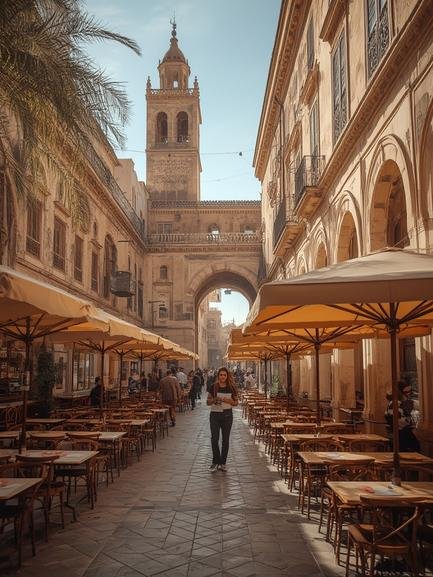
The Rabat medina restaurants offer more than just a meal—they provide a gateway to understanding Moroccan culture, hospitality, and culinary traditions. Unlike the more touristic experiences in other Moroccan cities, dining in Rabat’s medina allows visitors to experience authentic flavors in settings that have remained largely unchanged for generations. Whether you’re sampling a steaming tagine in a centuries-old riad or enjoying fresh seafood at a humble family-owned establishment, these culinary experiences connect you with the heart and soul of Morocco’s capital. As you plan your visit to Rabat, make sure to set aside time to wander, discover, and taste the Moroccan authentic cuisine that makes this ancient quarter a true gastronomic treasure. Don’t rush your exploration—instead, embrace the unhurried pace of medina life and let your taste buds guide you through this culinary adventure.
FAQs
How safe is it to eat at restaurants in Rabat’s medina?
Most established restaurants in Rabat’s medina maintain good hygiene standards. For extra safety, choose busy restaurants with high turnover and opt for hot, freshly cooked foods. Rabat generally has higher food safety standards than some other Moroccan cities.
Do I need a guide to find the best restaurants in the medina?
While not essential, a local guide can help you discover hidden culinary gems that aren’t in guidebooks. Alternatively, asking hotel staff for recommendations or following locals during meal times can lead you to authentic spots.
What’s the appropriate dress code for dining in medina restaurants?
Modest attire is appreciated—shoulders and knees covered for both men and women. More upscale establishments might require smart-casual dress, while simple local eateries are very informal.
How much should I expect to pay for a meal in the Rabat medina?
Prices vary widely. A simple meal at a local establishment might cost 30-70 Moroccan dirhams (approximately $3-7 USD), while a full dinner at a more upscale riad restaurant could range from 150-350 dirhams ($15-35 USD) per person.
Are there vegetarian options available in traditional medina restaurants?
Yes, though you may need to specify your requirements. Traditional dishes like vegetable tagine, zaalouk (eggplant salad), and a variety of salads and breads make vegetarian dining quite manageable. Vegans should be more specific about avoiding butter and honey, which are common ingredients.