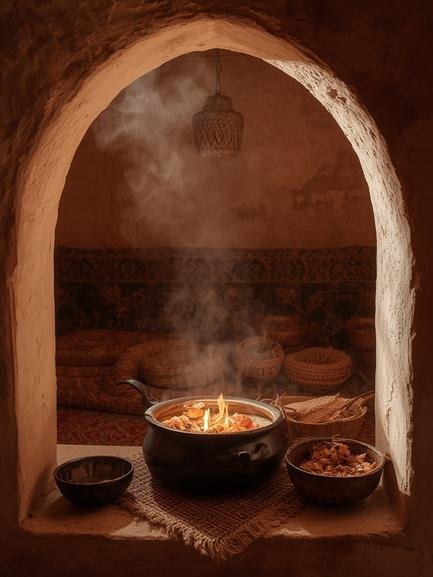

In the heart of Morocco’s capital city lies a culinary treasure that has warmed the hearts and bellies of locals and visitors alike for centuries. Harira soup Rabat represents more than just a meal; it embodies the soul of Moroccan hospitality and cultural heritage. This hearty, aromatic soup has become synonymous with Rabat’s food scene, particularly during Ramadan when it takes center stage on dinner tables across the city.
When exploring authentic Moroccan cuisine, few dishes capture the essence of traditional flavors and communal dining quite like harira. Its rich combination of tomatoes, lentils, chickpeas, and tender meat creates a symphony of flavors that tells the story of Morocco’s diverse culinary influences.
History & Cultural Background
The origins of harira soup can be traced back several centuries, with roots in Berber cuisine that later evolved through Arab influences. Historically, the soup emerged as a practical way to create a nutritious, filling meal using readily available ingredients. In Rabat, the royal capital since 1912, harira developed its own distinctive character, reflecting the city’s status as a cultural melting pot where Andalusian, Arab, and Berber influences converge.
The soup’s cultural significance peaks during Ramadan, when it traditionally breaks the daily fast. This practice dates back generations, with families gathering around steaming bowls of harira to replenish after a day of fasting. The recipe has been passed down through generations, with each family guarding their unique variation as a treasured heritage.
In Rabat’s culinary landscape, harira represents continuity amidst change. While the city has modernized dramatically over the centuries, the traditional preparation of harira remains largely unchanged, preserving a direct connection to Morocco’s culinary past.
Architectural Highlights of Harira Culture
The Vessels and Settings
Traditional harira in Rabat is often served in distinctive clay bowls called “zlafa” that help maintain the soup’s temperature. The most authentic harira experiences can be found in traditional settings such as:
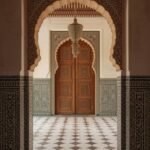
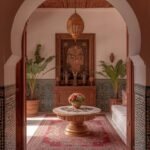
– Family-run restaurants in the Medina with ornate zellige tilework
– Humble street food stalls with copper serving pots
– Seaside establishments offering views of the Atlantic while you dine
– Home kitchens opened to visitors during cultural exchanges
The architecture of harira extends beyond buildings to the social structures built around it. In Rabat, certain establishments have become institutions solely on the strength of their harira recipe, their interiors reflecting generations of service with vintage photographs and weathered cooking implements displayed proudly.
Best Time to Visit & Practical Information
Harira is available year-round in Rabat, but different seasons offer unique experiences:
– Ramadan (dates vary annually): The absolute peak season for harira, when restaurants and homes prepare their finest versions
– Winter months (November-February): Ideal for experiencing harira as a warming comfort food
– Evening hours (7-9 PM): The traditional time when locals enjoy harira
Most restaurants serving harira open from late afternoon until late evening. Prices range from 10-15 dirhams (approximately $1-1.50) for a street food bowl to 30-50 dirhams ($3-5) in mid-range restaurants. No special dress code is required, though modest attire is appreciated in more traditional establishments.
To find the best harira, take a taxi to Rabat’s Medina or the Oudayas district, where concentration of authentic eateries is highest.
Step-by-Step Exploration Guide
To truly experience Harira soup Rabat in its most authentic forms, follow this curated route through the city’s culinary landmarks:
1. Start at Café Clock in the Kasbah des Oudaias: Begin with their refined version of harira that offers a gentle introduction to the dish’s flavors.
2. Wander through the Medina to Restaurant Dinarjat: Hidden in a restored riad, their authentic Moroccan cuisine includes a harira recipe dating back generations.
3. Visit the evening food stalls near Bab El Had: Here, local cooks serve harira from large communal pots, offering the most traditional street food experience.
4. Stop at Yamal Al Sham: Though technically a Syrian restaurant, their regional variation provides interesting contrast to local versions.
5. End your tour at Dar Naji: This upscale Moroccan restaurant serves a refined harira that demonstrates how the dish appears in more formal settings.
For the most immersive experience, time your harira tour to coincide with sunset during Ramadan, when the atmosphere around these establishments becomes particularly vibrant and communal.
Nearby Attractions, Food & Accommodation
Attractions Near Harira Hotspots
– Kasbah of the Udayas: Historic fortress with stunning gardens
– Hassan Tower: 12th-century minaret and Rabat’s most famous landmark
– Chellah: Ancient Roman ruins and medieval Muslim necropolis
– Mohammed VI Museum of Modern Art: For contemporary cultural context
Complementary Foods
Harira is traditionally accompanied by:
– Chebakia: Honey-soaked sesame cookies
– Dates: Often served alongside harira during Ramadan
– Msemen: Flaky Moroccan pancakes
– Fresh bread: For dipping and scooping
Accommodation Options
Budget: Riad Dar Soufa ($30-50/night)
Mid-range: Riad Zyo ($80-120/night)
Luxury: Sofitel Rabat Jardin des Roses ($150-250/night)
Travel Tips & Common Mistakes to Avoid
Common Mistakes
1. Rushing the experience: Harira is meant to be savored slowly, not treated as fast food
2. Missing the accompaniments: Traditional harira comes with dates, chebakia, or boiled eggs
3. Eating too early: The best harira is often available after sunset
4. Assuming all harira is the same: Each establishment has its distinct recipe and texture
5. Forgetting to specify meat preference: While lamb is traditional, vegetarian options exist
Practical Tips
– Carry small change for street food vendors
– Learn basic Arabic phrases like “shukran” (thank you) and “bssaha” (enjoy your meal)
– Be prepared for variation in spice levels
– Ask locals for their favorite harira spots for the most authentic recommendations
– Consider a cooking class to learn harira preparation firsthand
Conclusion
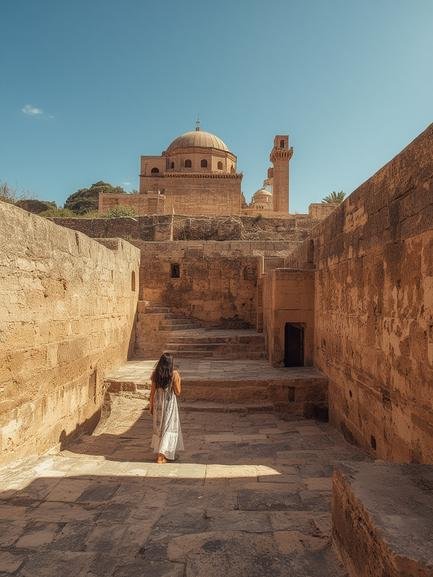
The journey through Harira soup Rabat offers far more than culinary satisfaction—it provides a window into Moroccan heritage, family traditions, and social customs that have endured for centuries. Each spoonful connects visitors to generations of Rabati families who have perfected this beloved dish. Whether enjoyed in a humble street stall or an elegant restaurant, harira represents Morocco’s remarkable ability to preserve cultural authenticity while embracing visitors. As you plan your Moroccan itinerary, reserve ample time to explore the authentic Moroccan cuisine through its most iconic dish. The flavors, aromas, and stories behind Rabat’s harira will likely become one of your most treasured travel memories—a taste of Morocco that lingers long after you’ve returned home.
FAQs
How long does it take to properly experience harira in Rabat?
Allow at least 2-3 hours for a proper harira exploration, visiting 2-3 different establishments to compare styles and accompaniments.
Is harira safe for tourists with sensitive stomachs?
Generally yes, as harira is thoroughly cooked. However, street vendors may have varying hygiene standards, so those with sensitive stomachs might prefer restaurant versions.
Can I take cooking classes to learn how to make authentic harira?
Yes, several cooking schools in Rabat offer harira classes, including Cooking With Nada and Atelier de Cuisine Rabat. Most classes run 3-4 hours and include market shopping.
Is it appropriate to photograph my harira experience?
Photography is welcome in most establishments, but always ask permission before photographing people or kitchen areas. Some family-run places may prefer privacy.
What is proper harira etiquette?
Wait for everyone to be served before beginning, use your right hand with bread for scooping, and express appreciation with “bssaha” or “zina” (delicious) to show respect for the tradition.