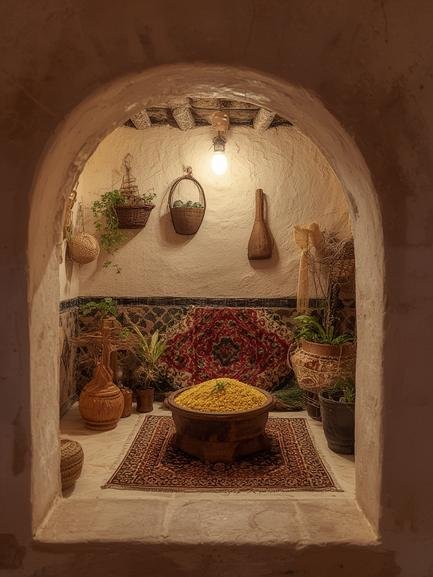

Morocco’s capital city offers a plethora of cultural experiences, but none is more enticing than sampling the local cuisine. Couscous Rabat represents not just a dish but a cultural institution that brings families and communities together. The unique preparation methods and flavor profiles of Moroccan traditional cuisine found in Rabat differ subtly from those in other regions, making it a must-experience for culinary tourists.
The capital’s rendition of this national dish incorporates influences from its coastal location, royal history, and multicultural past, creating something truly special for your palate.
History & Cultural Background
Couscous dates back to at least the 7th century, with evidence of early preparation found in ancient cooking utensils throughout North Africa. In Rabat specifically, the dish evolved with the city’s history as an important port and later as Morocco’s capital. During the Almohad dynasty (12th century), Rabat became an imperial city, and its couscous preparation began incorporating more refined techniques suitable for royal tables.
The traditional Friday couscous became a symbol of family unity and hospitality. In Rabat’s households, preparing couscous is often a communal activity, with techniques passed down through generations. The dish represents Baraka (blessing) and generosity, with families traditionally making extra to share with neighbors or those in need.
What distinguishes Rabat’s version is the influence of its Atlantic coastal location and its status as an administrative center where diplomatic influences have subtly shaped local cuisine over centuries.
Architectural Highlights & Key Features
The culture of couscous in Rabat can be observed in both the traditional and modern settings where it’s prepared and served. Traditional Rabati homes feature specialized kitchens with dedicated areas for steaming couscous in a couscoussier, the distinctive double-chamber cooking vessel.
Many historic restaurants in the Medina showcase traditional dining spaces with low tables, colorful cushions, and decorative serving dishes specifically designed for presenting couscous. The arrangement of the dish itself is architectural – a mountain of grain, strategically topped with vegetables and meat in a specific order.
Key features of Rabat-style couscous include:
– Finer grain texture compared to southern regions
– Vegetables arranged in concentric circles atop the grain
– Prominent use of seafood in some variations, reflecting coastal influence
– Subtly sweeter seasoning profile with less heat than southern variants
– Distinctive decorative serving dishes, often with blue Rabati patterns
Best Time to Visit & Practical Information
For the most authentic couscous experience in Rabat, timing is everything:
– Fridays: The traditional day when most families and restaurants prepare couscous
– Lunch hours (12:30-2:30 PM): When couscous is traditionally served
– Ramadan evenings: Special festive versions are available during the holy month
– September: When new harvest grains become available, producing the freshest couscous
For visitors, most traditional restaurants in the Medina serve couscous daily, though the Friday versions tend to be more elaborate. Prices range from 50-200 MAD ($5-20 USD) depending on the establishment’s prestige and the protein included.
Dress modestly when dining in traditional establishments, and be aware that authentic couscous is eaten by hand, though utensils are provided for tourists. Most restaurants in tourist areas accept credit cards, but carry cash for smaller establishments.
Step-by-Step Exploration Guide
To fully appreciate the Couscous Rabat experience, follow this curated path through the city’s culinary landscape, which will allow you to experience both the dish and the Moroccan traditional cuisine in its proper context:
1. Begin at Dar Naji in the Hassan district, where traditional couscous is served in an authentic setting with excellent views of the Hassan Tower.
2. Visit the Central Market in the morning to observe the ingredients being selected – the vegetables, spices, and meats that will go into the day’s couscous preparations.
3. Take a cooking class at Riad Kalaa or Dar Rbatia, where you can learn the intricate process of hand-rolling couscous and properly layering the ingredients.
4. Dine at a family-owned restaurant like Dinarjat, hidden in the medina’s narrow streets, where couscous recipes have been passed down for generations.
5. End your tour at Le Dhow, a boat-restaurant on the Bouregreg River that offers a modern interpretation of Rabat’s couscous with spectacular views of the Kasbah.
For the perfect photo opportunity, capture your couscous dish with the Atlantic Ocean or Hassan Tower in the background, symbolizing the unique coastal-meets-imperial character of Rabat’s cuisine.
Nearby Attractions, Food & Accommodation
While exploring Rabat’s couscous culture, complement your experience with these nearby attractions:
Cultural Sites:
– Kasbah of the Udayas (10-minute walk from most Medina restaurants)
– Hassan Tower and Mohammed V Mausoleum
– Chellah Necropolis
Additional Culinary Experiences:
– Rabat Food Tour in the Medina for sampling other local specialties
– The fish market at the port for fresh seafood
– Traditional tea houses for mint tea and Moroccan pastries
Accommodation:
– Budget: Riad Marhaba in the Medina
– Mid-range: Riad Kalaa with its own respected restaurant
– Luxury: Sofitel Jardins des Roses with fine dining options
Many riads offer cooking classes where you can learn to prepare couscous yourself, making for a more immersive culinary experience.
Travel Tips & Common Mistakes to Avoid
When seeking authentic couscous in Rabat, be aware of these common pitfalls:
– Avoid touristy restaurants on main squares that serve pre-made couscous; look for places where locals eat
– Don’t rush the experience – authentic couscous is meant to be enjoyed slowly
– Never refuse a couscous invitation from locals, as this is considered highly impolite
– Don’t expect to find good couscous late in the evening, as it’s traditionally a lunch dish
– Avoid photographing people preparing or eating couscous without permission
Practical Tips:
– Learn the phrase “Couscous zwin bzzaf” (Very good couscous) to compliment the chef
– Eat from the section of the communal dish directly in front of you (if sharing)
– Use your right hand only if eating traditionally
– Try the tfaya (caramelized onions and raisins) version unique to the Rabat-Salé region
Conclusion
The journey through Couscous Rabat is more than a culinary adventure; it’s an immersion into the heart of Moroccan cultural identity. The capital city offers a refined, historically-rich interpretation of this iconic dish that reflects both royal heritage and coastal influences. Whether enjoyed in a humble medina eatery or an upscale restaurant, the experience connects visitors to centuries of tradition and the communal spirit that defines Moroccan traditional cuisine. To truly understand Morocco, one must understand its couscous – and Rabat offers one of the most distinctive and authentic versions in the country. When planning your visit to Morocco’s capital, make sure to dedicate at least one Friday to experiencing this culinary institution in its proper cultural context.
FAQs
How long does traditional couscous preparation take in Rabat?
Authentic handmade couscous takes approximately 3-4 hours from start to finish, including hand-rolling the semolina, steaming it multiple times, and slow-cooking the accompanying stew.
Is it safe to eat traditional couscous from street vendors in Rabat?
Couscous is rarely sold as street food in Rabat. For food safety, stick to established restaurants rather than the few street vendors who might offer it.
Can vegetarians enjoy authentic Rabat couscous?
Yes, many restaurants offer vegetable-only versions (couscous aux sept légumes), though you may need to request it specifically as the traditional version typically includes meat.
Is it acceptable to ask for a couscous recipe from restaurants in Rabat?
Most restaurants consider their specific couscous preparation a point of pride and are often happy to share general techniques, though family establishments may keep certain aspects as closely guarded secrets.
What is the proper etiquette when invited to a Rabati home for couscous?
Bring a small gift (pastries or fruit), remove shoes if others have done so, wash hands before eating, and compliment the dish enthusiastically. Expect to be urged to eat more as a sign of hospitality – this is called “insistence” and is considered polite.