
Morocco’s capital city hides a treasure trove of melodic experiences waiting to be discovered. The Rabat music scene represents a fascinating fusion of traditional North African rhythms and contemporary global influences that make it a must-visit destination for cultural explorers. From intimate jazz clubs to grand concert halls and seasonal Moroccan music festivals, the city offers a diverse soundscape that tells the story of this nation’s rich cultural heritage and its evolution.
Whether you’re a dedicated music aficionado or simply a curious traveler, Rabat’s harmonious offerings provide an authentic window into Moroccan cultural identity.
History & Cultural Background
The musical traditions in Rabat stretch back centuries, with roots in Amazigh (Berber), Arab, Andalusian, and Sub-Saharan African cultures. The city’s musical identity began taking shape during the 12th century when it became an important imperial city. Andalusian classical music, brought by refugees fleeing Spain following the Reconquista, found a nurturing home in Rabat and continues to be performed in its most authentic form here.
During the French Protectorate (1912-1956), Western musical influences began to blend with local sounds, creating new hybrid genres. After independence, the government established conservatories and music institutions to preserve traditional forms while encouraging innovation. The 1970s and 1980s saw the rise of protest songs and Moroccan rock, while the late 1990s and early 2000s witnessed the emergence of rap and electronic music scenes that addressed contemporary social issues.
Today’s Rabat offers a living museum of musical evolution, where ancient traditions thrive alongside cutting-edge experimentation.
Architectural Highlights & Key Venues
Rabat’s music venues reflect the city’s blend of historical grandeur and contemporary design. The majestic Théâtre Mohammed V, with its distinctive Moroccan-modernist architecture, stands as the premier performance space in the capital, hosting both international stars and local talents. Its ornate ceiling work and excellent acoustics make it a destination in itself.
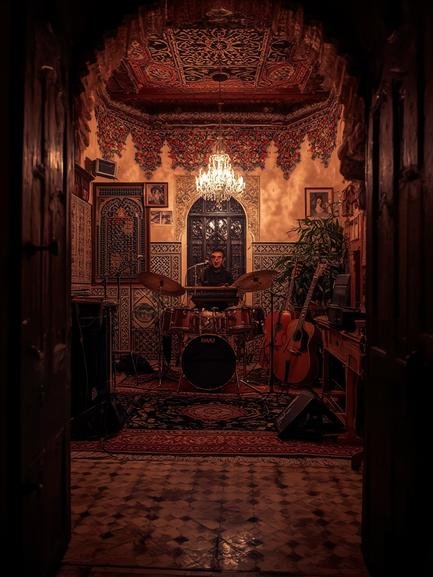
For a more intimate experience, the Andalusian Music Conservatory showcases traditional music in an authentically restored riad featuring intricate zellige tilework and carved cedar ceilings. The ornate details enhance the acoustic experience of classical Andalusian performances.
The ultramodern Rabat-Salé Cultural Complex represents the forward-looking side of the scene, with its sleek lines and state-of-the-art facilities designed for contemporary performances. Meanwhile, Le Dhow, a converted boat docked on the Bouregreg River, offers one of the city’s most unique music venues, combining industrial elements with traditional Moroccan decorative touches.
Best Time to Visit & Practical Information
The Rabat music calendar peaks during spring (April-June) and fall (September-November), when outdoor festivals take advantage of the pleasant weather. The prestigious Mawazine Festival, usually held in June, transforms the entire city into a massive concert venue for nine days, featuring international and local artists across multiple stages.
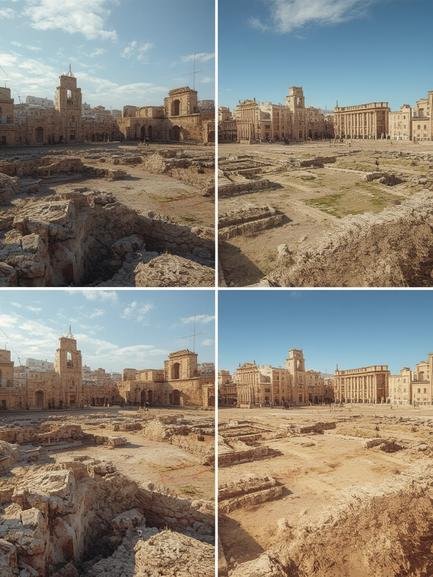
The Jazz au Chellah Festival in September uses the atmospheric ruins of Chellah as a backdrop for fusion performances that blend jazz with Moroccan traditional music. Winter months offer more intimate indoor performances at venues like Le Bistrot du Pietri and L’Uzine.
Ticket prices vary widely: free for many small venues and some festival stages, 50-200 dirhams for mid-range concerts, and 200-500+ dirhams for major international acts. Most venues are accessible by Rabat’s efficient tram system or inexpensive taxis.
Step-by-Step Exploration Guide
Begin your musical journey in the Medina, where the sounds of traditional gnawa and Andalusian music often drift from hidden courtyards. Start at Rue des Consuls in the morning when artisans are setting up, occasionally accompanied by traditional musicians. The Rabat music scene reveals itself organically as you explore these ancient streets where the occasional impromptu performance might surprise you near the crafts markets. Don’t miss the opportunity to hear authentic Moroccan music festivals if your visit coincides with one of the smaller neighborhood celebrations that happen throughout the year.
In the afternoon, head to the Conservatory of Music for scheduled performances (check their bulletin board for daily shows). By early evening, make your way to Agdal district, where several cafés feature live music starting around 7 PM. End your night in Rabat Ville Nouvelle at one of the jazz clubs or fusion venues like Jazz Club de Rabat or Le Dhow, where performances typically start after 9 PM and continue until midnight or later.
For a comprehensive experience, consider this weekly schedule:
- Mondays: Traditional music at Théâtre Mohammed V (check program)
- Tuesdays-Wednesdays: Intimate performances at cafés in Agdal
- Thursdays-Saturdays: Contemporary scene at Le Dhow or L’Uzine
- Sundays: Afternoon traditional performances in Kasbah des Oudaias gardens
Nearby Attractions, Food & Accommodation
While exploring Rabat’s soundscape, enhance your experience by visiting the stunning Kasbah des Oudaias, just a short walk from several music venues in the old city. The nearby Hassan Tower and Mausoleum of Mohammed V provide cultural context for the music you’ll encounter. The Rabat Archaeological Museum offers insight into the historical influences that shaped local musical traditions.
For dining near music hotspots, try Dar Naji for traditional Moroccan cuisine before a concert at Théâtre Mohammed V, or Le Dhow’s own restaurant for riverside dining before performances. Vegetarians will appreciate The Loft Art Gallery & Café near several Ville Nouvelle music venues.
Accommodation options include:
- Budget: Riad Marhaba in the Medina (close to traditional music)
- Mid-range: Hôtel de la Tour Hassan (walking distance to several venues)
- Luxury: Sofitel Jardin des Roses (offering its own musical programming)
Travel Tips & Common Mistakes to Avoid
When exploring Rabat’s musical offerings, avoid these common pitfalls:
- Assuming performances start on time – add 30 minutes to listed start times
- Limiting yourself to well-known venues – some of the best music happens in unmarked cafés and riads
- Missing out on traditional performances by focusing only on contemporary music
- Forgetting to book tickets for major festivals like Mawazine months in advance
Pro tips for music lovers:
- Download the “Rabat Cultural Events” app for up-to-date listings
- Visit music instrument shops in the Medina for informal jam sessions
- Respect performance etiquette – avoid loud talking during classical Andalusian concerts
- Learn a few basic Darija (Moroccan Arabic) phrases to connect with musicians
- Bring cash for smaller venues, as many don’t accept cards
Conclusion
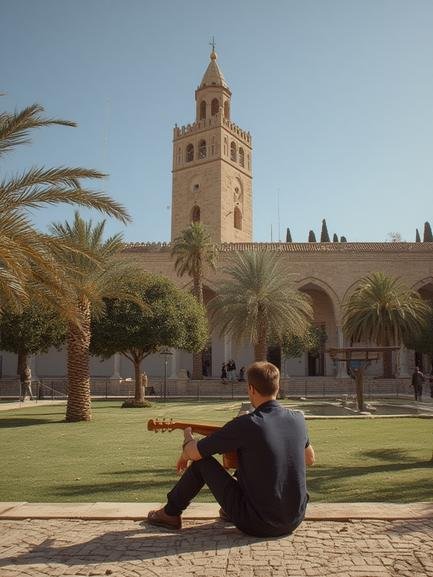
The Rabat music scene offers travelers a multi-layered experience that goes beyond mere entertainment to provide genuine insight into Moroccan cultural identity. From the haunting melodies of Andalusian orchestras to the energy of contemporary fusion bands, the capital’s soundscape tells the story of a nation at the crossroads of continents and traditions. The city’s Moroccan music festivals and year-round performances create unforgettable memories while connecting visitors to centuries of musical evolution. Don’t just see Rabat—hear it, feel it, and let its rhythms become part of your travel story. Whether you visit during a major festival or discover hidden musical gems in neighborhood cafés, Rabat’s diverse sounds will add an unforgettable dimension to your Moroccan adventure.
FAQs
How safe is it to attend evening music events in Rabat?
Rabat is considered one of the safest cities in Morocco. Major venues have security personnel, and the areas around popular music spots are well-lit and patrolled. However, as in any city, be aware of your surroundings and use licensed taxis for late-night returns to your accommodation.
Do I need to dress conservatively for music venues in Rabat?
Dress codes vary by venue. For traditional performances in cultural centers or the Théâtre Mohammed V, smart-casual attire is appropriate. Contemporary venues like Le Dhow or L’Uzine are more relaxed, though extremely revealing clothing may attract unwanted attention anywhere in Morocco.
Are photography and recording allowed at music performances?
Policies differ across venues. Traditional performances often prohibit recording but allow non-flash photography. Contemporary venues may be more permissive, but always check with staff or look for signage before taking photos. For major festivals, professional cameras might require press credentials.
How long should I allocate to experience Rabat’s music scene properly?
A minimum of three days allows you to experience different types of venues and performances. If your visit coincides with a major festival like Mawazine, plan for at least five days to sample the diverse programming across multiple stages and venues throughout the city.
Can I find English-speaking guides specialized in Rabat’s music scene?
Yes, several tour operators offer music-focused cultural experiences with English-speaking guides. The Cultural Association of Rabat can recommend certified guides specializing in musical heritage. Alternatively, many venues have staff who speak basic English and can provide information about performances.