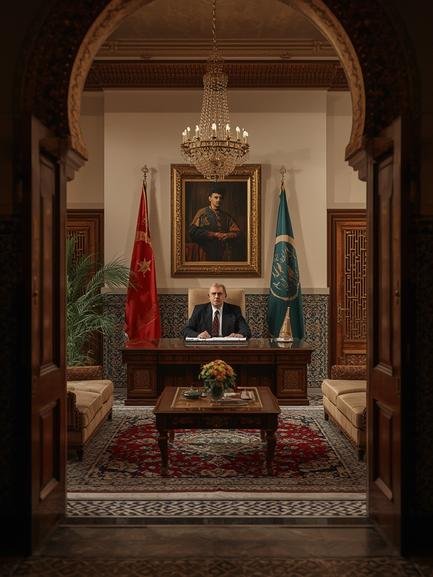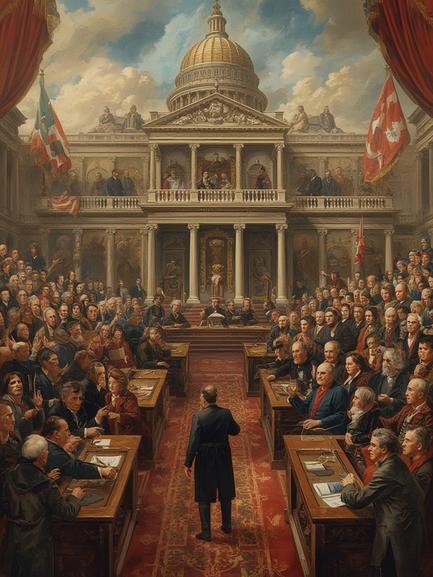

Morocco’s capital is not only a political center but also a treasure trove of cultural heritage where Rabat literary sites reflect centuries of intellectual exchange and artistic expression. The city has been home to countless poets, novelists, and scholars whose legacies are embedded in its architecture and institutions. From ancient manuscripts in traditional libraries to modern bookshops and literary cafés, Moroccan literary heritage is alive in every corner of Rabat.
For travelers seeking to understand the soul of Morocco beyond typical tourist attractions, these literary landmarks offer profound insights into the nation’s cultural identity and intellectual evolution.
History & Cultural Background
Rabat’s literary tradition dates back to the 12th century when the city was established as a ribat (fortress) by the Almohad ruler Abd al-Mu’min. The city truly flourished as a literary center during the French Protectorate period (1912-1956), when it became the administrative capital. This era saw the establishment of institutions like the National Library of Morocco, founded in 1924, which houses over 400,000 volumes including rare manuscripts and historical documents.
The post-independence period witnessed a literary renaissance in Rabat, with the emergence of influential writers like Mohammed Khaïr-Eddine, Driss Chraïbi, and Fatima Mernissi. These authors challenged colonial narratives and explored Morocco’s complex identity through their works. The city’s cafés, particularly in the Agdal and Hassan districts, became meeting grounds for intellectuals and artists, fostering a vibrant literary scene that continues to evolve today. The establishment of Mohammed V University in 1957 further cemented Rabat’s status as an intellectual hub in North Africa.
Architectural Highlights & Key Features
The literary landscape of Rabat is marked by a blend of traditional and modern architectural styles. The National Library stands as a masterpiece of contemporary Moroccan design, with its impressive façade combining Islamic architectural elements with modern functionality. Its reading rooms feature intricate geometric patterns and natural lighting that creates an inspiring atmosphere for study and contemplation.
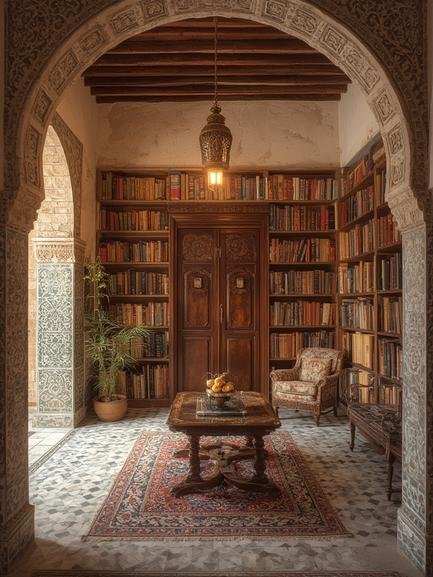
The historic bookshops of the medina showcase traditional Moroccan craftsmanship with their cedar wood shelving, painted ceilings, and ornate doorways. Many contain hidden courtyards where literary discussions have taken place for generations. The Literary Café in the Kasbah des Oudaias exemplifies Andalusian influence with its blue and white color scheme, intricate tilework, and stunning views of the Atlantic Ocean – a perfect setting that has inspired countless writers.
Contemporary literary spaces like the Rabat Arts Center feature minimalist designs with high ceilings and open spaces that accommodate poetry readings, book launches, and cultural exchanges, representing the evolving nature of Morocco’s literary scene.
Best Time to Visit & Practical Information
The ideal time to explore Rabat’s literary scene is during spring (April-May) and autumn (September-October) when temperatures are pleasant for walking tours. Winter visits are also comfortable, though occasional rain may interrupt outdoor explorations.
The National Library is open Monday through Friday from 9:00 AM to 6:00 PM and Saturdays from 9:00 AM to 4:00 PM. Entry is free, but visitors must register for a day pass at the reception. Photography is permitted without flash.
The annual Rabat International Book Fair typically takes place in June, offering a unique opportunity to engage with Morocco’s contemporary literary scene. Most bookshops operate from 9:00 AM to 7:00 PM, though those in the medina may close during Friday prayers (12:00-2:00 PM).
Public transportation in Rabat is excellent, with the tram system providing convenient access to most literary sites. Taxis are affordable and plentiful for reaching more remote locations like the Mohammed VI Museum of Modern Art, which regularly hosts literary events.
Step-by-Step Exploration Guide
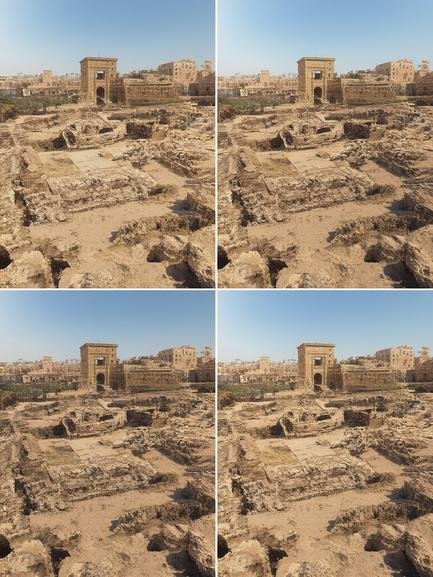
Begin your literary journey at the National Library of Morocco in the Hay Riad district, where you can admire rare manuscripts and the evolution of Moroccan calligraphy. Plan to spend at least 90 minutes here exploring the permanent collection and any special exhibitions.
Next, take a tram to the medina and wander through its narrow streets to discover historic bookshops like Librairie Attajdid and El Kitab, where Rabat literary sites blend with everyday commerce. These shops often contain hidden treasures like first editions of Moroccan literary heritage from the colonial and post-independence periods.
In the afternoon, visit the Kasbah des Oudaias and its Literary Café, where you can enjoy traditional mint tea while overlooking the spot where the Bouregreg River meets the Atlantic Ocean – a view that has inspired countless poems and stories. The nearby Andalusian Gardens provide a peaceful setting for reading or reflection.
Conclude your day at the Agdal district, known for its contemporary bookshops and café-libraries like Le Café Littéraire, which hosts regular poetry readings and author events. If your visit coincides with these gatherings (usually Thursday evenings), you’ll experience the vibrant contemporary literary scene of Rabat firsthand.
Nearby Attractions, Food & Accommodation
After exploring literary sites, visit the Hassan Tower and Mohammed V Mausoleum, just a 15-minute walk from the National Library. The Chellah, an ancient Roman and medieval Islamic site, offers another fascinating historical perspective just outside the city center.
For dining, try Dinarjat in the medina for authentic Moroccan cuisine in a setting that has hosted many literary figures. Le Dhow, a restaurant on a boat moored on the Bouregreg River, combines excellent food with regular cultural programming including book discussions.
Budget travelers can stay at Riad Meftaha in the medina, which has a small library of Moroccan literature in multiple languages. Mid-range options include Hotel Belere in the city center, while luxury seekers will appreciate La Tour Hassan Palace, where many visiting writers and intellectuals have stayed over the decades.
Travel Tips & Common Mistakes to Avoid
• Don’t limit yourself to famous sites – many small, unmarked bookshops contain literary treasures and knowledgeable proprietors eager to share stories.
• Bring a notebook for unexpected literary discoveries – many sites have minimal signage in English.
• Learn a few Arabic or French phrases, as many literary site curators have limited English proficiency.
• Avoid visiting the National Library on Mondays when many sections may be closed for maintenance.
• Don’t rush through the medina bookshops – take time to browse and engage with shopkeepers who often have fascinating stories about local authors.
• Respect prayer times if visiting literary sites near mosques, particularly on Fridays.
• Purchase books as meaningful souvenirs rather than mass-produced tourist items – supporting local booksellers helps preserve Rabat’s literary tradition.
Conclusion
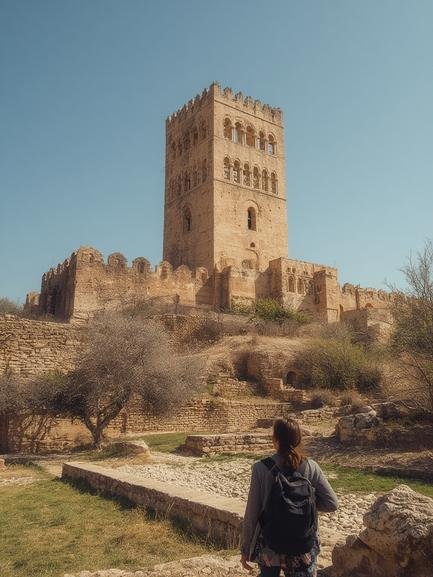
The Rabat literary sites offer more than just buildings and books—they provide a profound connection to Morocco’s intellectual journey and cultural identity. From ancient manuscripts that preserve classical Arabic literature to vibrant cafés where contemporary poets continue to shape Moroccan literary heritage, these spaces tell the story of a nation through its words. By exploring these literary landmarks, travelers gain unique insights into the Moroccan experience that tourist brochures rarely capture. Whether you’re an avid reader or simply curious about authentic cultural experiences, Rabat’s literary landscape promises enrichment, inspiration, and a deeper understanding of Morocco’s past and present. Make time during your visit to Morocco to explore these literary treasures—they may well become the most memorable part of your journey.
FAQs
How long should I spend exploring Rabat’s literary sites?
A dedicated literary tour requires at least two full days to cover the major sites without rushing. Those with specific literary interests may want to add a third day for specialized libraries or more in-depth exploration.
Are Rabat’s literary sites accessible to non-Arabic speakers?
Yes, most major sites like the National Library have staff who speak French and often English. Many contemporary bookshops carry multilingual collections. Consider hiring a guide with literary knowledge for more specialized explorations.
Can I photograph rare books and manuscripts?
Photography policies vary by location. The National Library permits non-flash photography of general areas but restricts photography of rare manuscripts. Always ask permission before taking photos in private bookshops.
Are there any literary walking tours available in Rabat?
Yes, several tour companies offer specialized literary walking tours, particularly in the medina and Kasbah. The Tourism Office near Hassan Tower can provide current information, or book in advance through cultural organizations like Culture Vultures Morocco.
What literary souvenirs can I purchase in Rabat?
Beyond books, look for handcrafted leather journals, calligraphy art, and bookmarks featuring Moroccan literary quotes. The artisan market in the medina offers beautiful hand-bound notebooks made with traditional techniques.