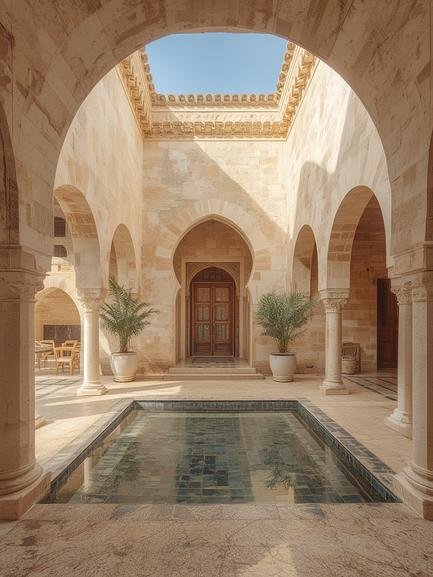

Morocco’s capital city offers a captivating fusion of traditional Islamic design elements and forward-thinking structural innovation. Rabat modern architecture represents an exciting dialogue between the country’s rich heritage and its contemporary aspirations. While many visitors focus solely on Marrakech’s ancient medinas or Fez’s medieval streets, Rabat delivers a refreshing perspective on Morocco’s architectural evolution.
The city stands as a living museum of Moroccan architectural styles that span from French colonial buildings to cutting-edge constructions that have earned international acclaim. For travelers seeking to understand Morocco’s journey from traditional kingdom to progressive nation, Rabat’s built environment tells this story with remarkable clarity.
History & Cultural Background
Rabat’s architectural narrative began centuries ago, but its modern chapter started decisively when the French established the city as Morocco’s capital in 1912. Under Resident-General Hubert Lyautey, French urban planners, led by Henri Prost, created a “dual city” approach that preserved the historic medina while developing a modern European-style city alongside it.
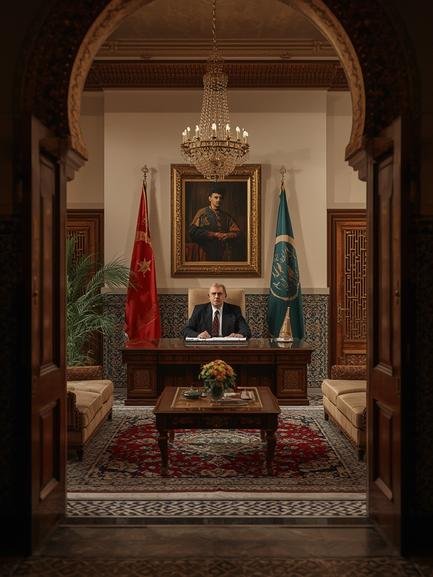
The post-independence era (after 1956) saw Moroccan architects reclaiming their architectural identity. This period birthed significant government buildings that blended modernist sensibilities with traditional Moroccan elements—arches, geometric patterns, and internal courtyards adapted to contemporary construction methods.
The late 20th century introduced more experimental structures, while the 21st century has brought ambitious projects that position Rabat as a cultural and administrative hub. The city achieved UNESCO World Heritage status in 2012, recognizing its unique blend of historic and modern urban planning.
Architectural Highlights & Key Features
Rabat’s architectural diversity reveals itself through several distinctive features:
– Modernist Colonial Architecture: The central administrative district showcases French-inspired buildings with adaptations to Morocco’s climate, including deep verandas, mashrabiyas (decorative wooden screens), and internal courtyards.
– Neo-Moorish Style: Many government buildings incorporate traditional Moroccan elements like horseshoe arches, zellige tilework, and carved cedar, but executed with modern construction techniques.
– Brutalist Structures: The 1960s-70s left their mark with bold concrete constructions that emphasize function and form, particularly in university buildings and government ministries.
– Contemporary Landmarks: Recent additions like the Mohammed VI Museum of Modern and Contemporary Art display clean lines and innovative uses of light, creating dialogue between traditional materials and modern design principles.
– Adaptive Reuse Projects: Throughout the city, colonial-era buildings have been thoughtfully repurposed while preserving their architectural significance.
Best Time to Visit & Practical Information
Rabat enjoys a mild Mediterranean climate, making it pleasant year-round. However, the optimal times to explore the city’s architecture are:
– Spring (April-May): Comfortable temperatures and blooming gardens enhance architectural photography
– Fall (September-October): Mild weather and fewer tourists
Most architectural sites are accessible daily, though government buildings have limited visiting hours:
– Parliament Building: Exterior viewable anytime, interior by appointment
– Royal Palace: Grounds occasionally open for special events
– Mohammed VI Museum: Tuesday-Sunday, 10am-6pm, 40 MAD (~$4 USD)
– National Library: Monday-Saturday, 9am-5pm, free entrance
Public transportation connects major architectural sites, with the efficient tram system being particularly useful. Alternatively, small taxis (petit taxis) offer affordable transportation within the city.
Step-by-Step Exploration Guide
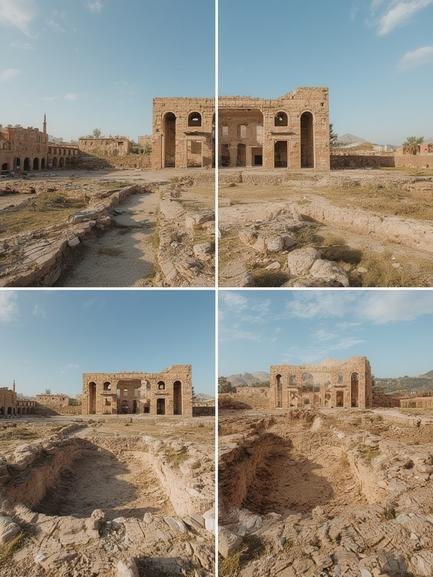
Experience Rabat modern architecture through this curated walking route that showcases the evolution of Moroccan architectural styles:
1. Start at Ville Nouvelle: Begin at the central post office, a perfect example of neo-Moorish colonial architecture with its distinctive white façade and ornate details.
2. Ministry Row: Walk along Avenue Mohammed V to observe government buildings that blend French administrative architecture with Moroccan decorative elements.
3. Bank Al-Maghrib: Notice how this building incorporates traditional geometric patterns within a decidedly modernist structure.
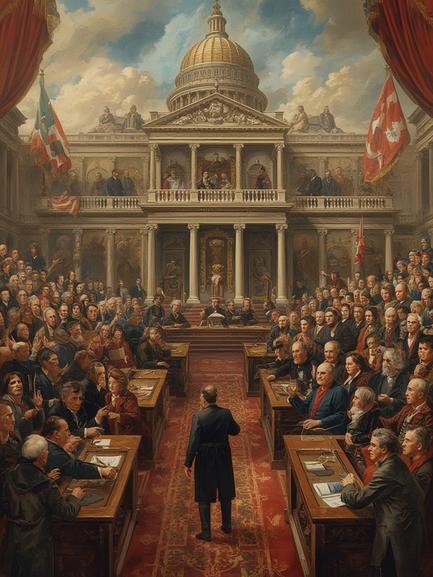
4. Parliament Building: Appreciate the balance between authority and transparency in its design, with large glass panels framed by traditional motifs.
5. Royal Palace Grounds: While the palace interior is not open to the public, the exterior walls and gates offer excellent examples of contemporary interpretations of traditional Moroccan palatial architecture.
6. Mohammed VI Museum: This contemporary cultural institution showcases clean lines and innovative use of light and space.
7. Grand Theatre of Rabat: Designed by Zaha Hadid, this ultramodern structure (when completed) represents Rabat’s architectural future with its flowing forms and technical innovation.
For photography enthusiasts, the early morning light best captures the textures of contemporary structures, while late afternoon sunlight brings warmth to traditional elements.
Nearby Attractions, Food & Accommodation
After exploring Rabat’s architectural wonders, consider these complementary experiences:
Nearby Sites:
– Chellah Necropolis (Roman ruins with Islamic additions)
– Kasbah des Oudaias (traditional Andalusian-style architecture)
– Hassan Tower and Mohammed V Mausoleum (classical Moroccan design)
Dining Options:
– Upscale: Le Dhow (riverside boat restaurant near contemporary buildings)
– Mid-range: Dar Naji (traditional Moroccan cuisine in a renovated colonial building)
– Budget-friendly: Café Le Pietri (housed in an art deco structure)
Accommodation:
– Luxury: Sofitel Jardin des Roses (modernist hotel with Moroccan touches)
– Boutique: Riad Kalaa (traditional riad architecture with contemporary amenities)
– Budget: Ibis Rabat Centre (modern chain hotel in a convenient location)
Travel Tips & Common Mistakes to Avoid
Common Mistakes:
– Visiting government buildings during Friday prayers when most are closed
– Photographing government security personnel or checkpoints
– Attempting to visit the Royal Palace without prior arrangement
– Missing the nuanced details of colonial architecture by focusing only on contemporary landmarks
Smart Tips:
– Download a specialized architecture app like “Rabat Architectural Guide” for detailed information
– Join a guided architecture tour with a local expert (available through the tourism office)
– Visit the Urban Planning Museum to understand the city’s development
– Bring binoculars to appreciate rooftop details and distant structures
– Wear comfortable shoes as the architectural route involves significant walking
Conclusion
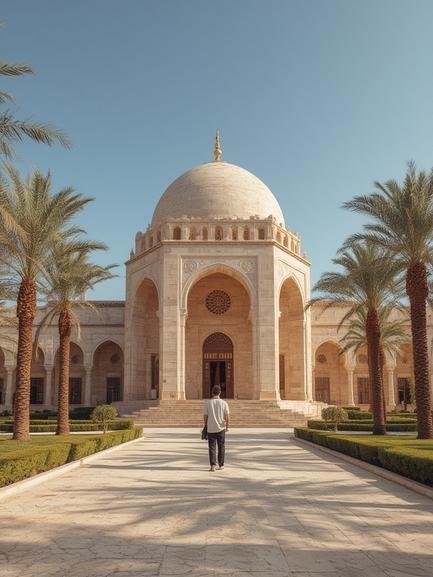
Rabat modern architecture provides a fascinating window into Morocco’s past, present, and future aspirations. Unlike many other Moroccan cities that primarily showcase traditional or colonial structures, Rabat offers a complete architectural timeline that continues to evolve today. The thoughtful preservation of historic elements alongside bold contemporary designs creates a unique urban landscape that rewards curious travelers. Whether you’re captivated by the geometric harmony of Moroccan architectural styles or the technical innovation of the city’s newest landmarks, Rabat deserves recognition as one of North Africa’s most architecturally significant capitals. Plan your architectural tour of Rabat to witness Morocco’s remarkable ability to honor tradition while embracing modernity—a balancing act that defines the nation itself.
FAQs
How much time should I allocate to explore Rabat’s modern architecture?
A minimum of two full days is recommended to properly appreciate Rabat’s architectural diversity. Dedicated architecture enthusiasts might extend this to three days to include interior tours of accessible buildings.
Is it safe to photograph buildings in Rabat?
Generally yes, but exercise caution around government and military buildings. When in doubt, ask permission first, particularly when photographing interiors or details of private buildings.
Are there official architectural tours available?
Yes, the Rabat Tourism Office offers specialized architecture tours in several languages. Additionally, the School of Architecture occasionally provides student-led tours focusing on specific architectural periods.
Can I visit interiors of significant modern buildings?
Public buildings like the Mohammed VI Museum and National Library welcome visitors. For government buildings, advance requests through official channels are necessary, often requiring credentials for architectural professionals or researchers.
What should I wear when visiting modern architectural sites in Rabat?
While Morocco is a Muslim country with conservative dress norms, Rabat is relatively progressive. Still, modest attire (covering shoulders and knees) is advisable, particularly when visiting buildings that serve both administrative and religious functions.