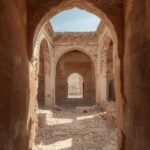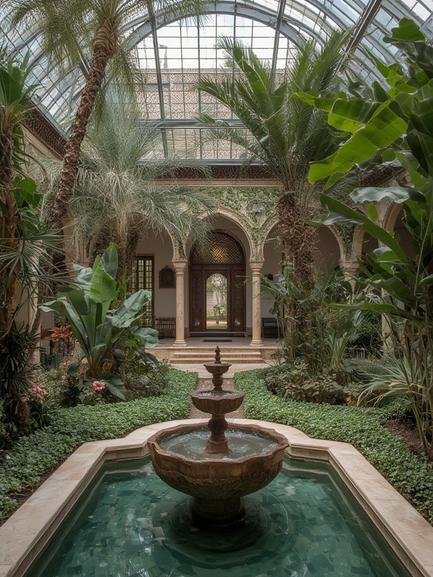

Morocco’s capital city holds many treasures, but few offer the tranquility and natural beauty found at the Rabat botanical gardens. These lush green spaces provide a peaceful retreat from the bustling urban environment, showcasing an impressive collection of both native Moroccan plants and exotic species from around the world. Whether you’re a plant enthusiast or simply seeking a moment of calm, the gardens offer a refreshing perspective on the natural heritage of Morocco.
The botanical garden design reflects both European and Moroccan influences, creating a unique horticultural experience that attracts visitors year-round.
History & Cultural Background
The botanical gardens of Rabat have roots dating back to the early 20th century during the French Protectorate period. Originally established in 1914 under the name “Jardin d’Essais Botaniques,” these gardens served as experimental grounds for the acclimatization of various plant species. French botanist Jean-Marie Tollier led the initial development, creating a space that would serve both scientific and recreational purposes.
Over the decades, the gardens evolved from purely research-focused grounds into a beloved public space. During Morocco’s independence in 1956, the gardens transitioned to Moroccan management while maintaining their scientific importance. They became a symbol of natural heritage preservation and environmental education in post-colonial Morocco.
The site holds cultural significance as a meeting point between European botanical science and Moroccan horticultural traditions. Throughout its history, the gardens have hosted important dignitaries and have been featured in various cultural events celebrating Morocco’s natural diversity.
Architectural Highlights & Key Features
The gardens follow a thoughtful design that balances formal European landscape architecture with traditional Moroccan garden elements. Key architectural features include:
– Central Palm Avenue: A majestic promenade lined with towering palm species creates a dramatic entry point and main thoroughfare.
– Water Features: Traditional Moroccan fountain designs and reflecting pools add both aesthetic beauty and practical irrigation.
– Themed Garden Sections: Distinct areas dedicated to specific ecosystems including Mediterranean, tropical, desert, and specialized collections.
– Pavilions and Resting Areas: Moroccan-inspired structures featuring intricate tilework and woodcarving provide shade and resting points.
– Research Facilities: Greenhouse complexes and seed banks highlight the continuing scientific mission.
The garden’s pathways are arranged in both geometric patterns typical of formal European gardens and the more fluid designs characteristic of Islamic garden traditions. Plant identification plaques in multiple languages emphasize the educational purpose of the space.
Best Time to Visit & Practical Information
For the most pleasant experience at the gardens, consider these practical details:
Optimal Visiting Seasons:
– Spring (March-May): Witness flowering season with mild temperatures
– Fall (September-November): Comfortable temperatures and fewer crowds
Opening Hours:
– Summer (April-September): 8:00 AM – 6:30 PM
– Winter (October-March): 8:30 AM – 5:30 PM
– Closed on Mondays for maintenance
Entrance Fees:
– Adults: 10 MAD (approximately $1 USD)
– Children under 12: Free
– Special exhibitions may have additional fees
Getting There:
– Located approximately 3 km from downtown Rabat
– Accessible by petit taxi (approximately 20-30 MAD from city center)
– Public bus routes #27 and #34 stop near the entrance
– Limited parking available for those with private vehicles
There is no strict dress code, but modest clothing is appreciated as with most public spaces in Morocco.
Step-by-Step Exploration Guide
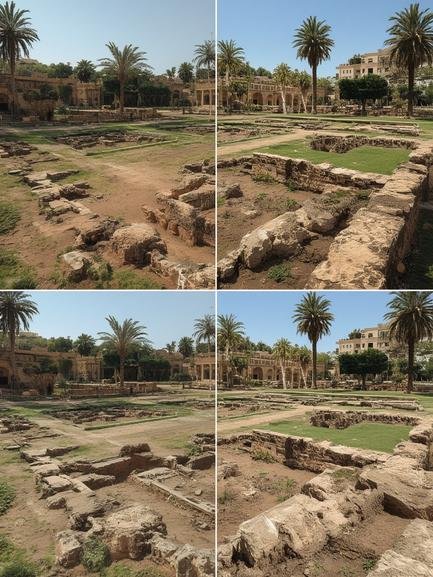
To fully appreciate the Rabat botanical gardens, follow this suggested exploration route that covers all the highlights while maintaining a leisurely pace:
1. Main Entrance and Welcome Area (15 minutes)
– Begin at the information center to collect a garden map
– View the historical photographs displaying the garden’s evolution
2. Palm Collection (30 minutes)
– Walk the central palm avenue
– Observe the diversity of date palm varieties and other palm species
– Look for the rare blue Bismarckia nobilis specimens
3. Mediterranean Garden (45 minutes)
– Explore native Moroccan plant species
– Visit the olive and citrus groves
– Enjoy the aromatic herb garden with its botanical garden design emphasizing traditional medicinal plants
4. Rose Garden and Ornamental Beds (30 minutes)
– Perfect for photography, especially in spring
– Find the collection of Damask roses historically important to Moroccan perfume making
5. Exotic Plant Pavilion (30 minutes)
– See tropical species and rarities
– Don’t miss the orchid collection and carnivorous plant display
6. Cactus and Succulent Garden (30 minutes)
– Observe the impressive collection of desert-adapted plants
– Look for the century-old specimens of Echinocactus grusonii
7. Tea Garden and Resting Area (15-30 minutes)
– Take a break at the traditional Moroccan tea garden
– Enjoy views across the central reflecting pool
8. Research Greenhouses (if open to public, 30 minutes)
– See ongoing conservation work
– Learn about seed preservation efforts
The complete circuit takes approximately 3-4 hours at a comfortable pace. Morning visits offer the best lighting for photography, while late afternoon provides cooler temperatures in summer months.
Nearby Attractions, Food & Accommodation
Attractions Within Walking Distance:
– Hassan Tower and Mausoleum of Mohammed V (1.5 km)
– Kasbah of the Udayas (2 km)
– Chellah Necropolis (3 km)
Recommended Dining Options:
– Budget: Café des Jardins (at garden entrance) – Simple Moroccan snacks and mint tea
– Mid-range: Restaurant Zitouna (800m) – Traditional Moroccan cuisine with garden views
– Upscale: Le Dhow (2 km) – Riverside dining with international and Moroccan fusion menu
Accommodation:
– Budget: Medina Hostel (shared rooms from $15/night)
– Mid-range: Riad Kalaa (traditional guesthouse, rooms from $70/night)
– Luxury: Sofitel Rabat Jardin des Roses (5-star hotel with its own gardens, from $150/night)
Consider booking accommodation in the nearby Agdal district for easy garden access while remaining close to other city attractions.
Travel Tips & Common Mistakes to Avoid
Practical Tips:
– Bring a water bottle – fountains throughout the garden allow for refills
– Wear comfortable walking shoes and a hat for sun protection
– Visit on weekdays to avoid local weekend crowds
– Download the garden’s mobile app for self-guided tour information
– Bring small change for entrance fees as credit cards aren’t always accepted
Common Mistakes:
– Rushing the visit: Many tourists allocate only an hour, missing the garden’s full diversity
– Missing seasonal highlights: Check the flowering calendar before visiting to see special blooms
– Not bringing a camera: The gardens offer exceptional photography opportunities
– Visiting midday in summer: The heat can be uncomfortable; early morning or late afternoon is preferable
– Ignoring guided tour options: Available in multiple languages, these provide valuable context about plant collections
Conclusion
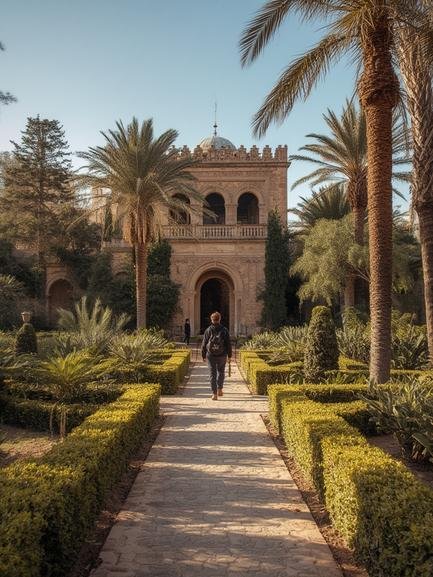
The Rabat botanical gardens represent a perfect harmony between scientific conservation and public enjoyment. They offer a glimpse into Morocco’s natural heritage while serving as a peaceful escape from urban life. The carefully curated collections tell stories of botanical exchange, adaptation, and the rich horticultural traditions that span continents. Whether you’re captivated by the specialized plant collections or simply enjoying the tranquil atmosphere, these gardens provide a refreshing counterpoint to the historical monuments and bustling medinas that typically dominate tourist itineraries in Rabat. As you plan your Moroccan adventure, set aside time to experience the botanical garden design and natural beauty that make this green sanctuary a true Rabat treasure. Don’t forget to check seasonal events and exhibitions that might enhance your visit to this verdant oasis in Morocco’s capital.
FAQs
How long does it take to fully explore the Rabat botanical gardens?
A thorough visit typically requires 3-4 hours, though you could spend a full day if you’re particularly interested in plants or photography. Many visitors combine it with nearby attractions for a full-day itinerary.
Is the botanical garden accessible for visitors with mobility challenges?
The main pathways are wheelchair accessible with smooth, wide surfaces. The garden provides several rest areas and has adapted bathroom facilities. Some secondary paths in specialized collections may have limited accessibility.
Are there guided tours available at the gardens?
Yes, guided tours are offered in Arabic, French, English, and Spanish. They can be booked at the visitor center and typically last 90 minutes. Self-guided audio tours are also available through the garden’s mobile application.
Can I bring food and have a picnic in the gardens?
Small snacks are permitted, but full picnics are restricted to designated areas only. Outside food should not be consumed near rare plant collections. The garden café offers refreshments and light meals.
What photography rules apply in the botanical gardens?
Personal photography is allowed and encouraged throughout the gardens. Commercial photography or filming requires prior permission. Tripods are permitted except during peak visitor hours. Drones are strictly prohibited.