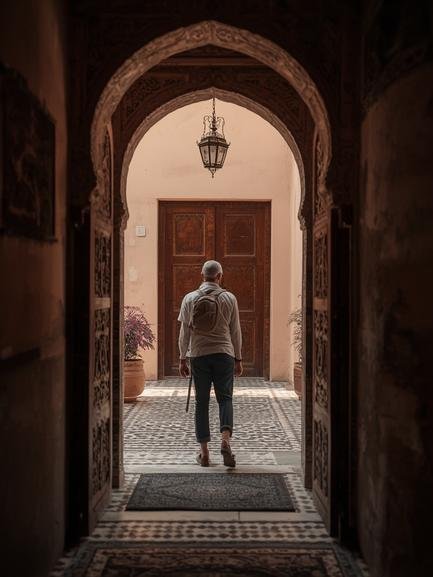

Morocco’s capital city presents a fascinating blend of ancient history and modern development, making Rabat gay travel a complex yet rewarding experience. While Morocco maintains conservative laws regarding LGBTQ+ relationships, Rabat offers more progressive spaces than many other Moroccan cities. The city’s French colonial influence, diplomatic presence, and university population create pockets of acceptance where LGBTQ+ tourism in Morocco can flourish discreetly.
This guide aims to help queer travelers navigate Rabat’s cultural landscape, appreciate its magnificent heritage, and enjoy a safe, enriching experience in this historic North African capital.
History & Cultural Background
Founded in the 12th century by the Almohad ruler Abd al-Mu’min, Rabat rose to prominence as a fortress against Spanish and Portuguese invasions. The city’s name derives from “Ribat,” meaning fortress, highlighting its military origins. When Morocco became a French protectorate in 1912, Rabat was designated as the administrative capital, bringing European architectural influences that still characterize parts of the city.
Today’s Rabat represents Morocco’s political center, housing royal palaces, government institutions, and foreign embassies. This diplomatic presence contributes to a slightly more tolerant atmosphere compared to other Moroccan cities. However, it’s crucial to understand that Morocco’s legal code, based on Islamic law, criminalizes same-sex relationships, with penalties including imprisonment.
Despite these legal challenges, Rabat’s younger generation, particularly university students and artists, are gradually fostering more accepting attitudes. This evolution has created subtle spaces where LGBTQ+ individuals can connect, though public displays of affection remain inadvisable regardless of orientation.
Architectural Highlights & Key Features
Rabat’s UNESCO World Heritage status stems from its remarkable architectural diversity spanning several centuries:
– Kasbah of the Udayas – A 12th-century fortress offering breathtaking views of the Atlantic Ocean and Bou Regreg River. Its blue and white streets create a peaceful enclave reminiscent of Santorini.
– Hassan Tower – The incomplete 12th-century minaret stands as a testament to ambitious Almohad architecture. Originally planned to be the world’s largest mosque, it now serves as a poignant historical monument.
– Chellah Necropolis – Ancient Roman ruins intertwined with a medieval Islamic necropolis, creating a hauntingly beautiful archaeological site where storks nest atop ancient walls.
– Mohammed V Mausoleum – A masterpiece of Moroccan craftsmanship with intricate zellige tilework, carved cedar ceilings, and magnificent marble floors honoring the grandfather of the current king.
– Ville Nouvelle – The French-built modern district featuring wide boulevards, art deco buildings, and the Royal Palace, demonstrating the colonial architectural influence.
Best Time to Visit & Practical Information
The ideal time to experience Rabat is during spring (March-May) and fall (September-November) when temperatures hover pleasantly between 15-25°C (59-77°F). Summer months can be uncomfortably hot, while winter brings occasional rain.
Essential Information:
– Dress Code: Conservative but relaxed by Moroccan standards. Shoulders and knees should be covered in religious sites.
– Transportation: Use petit taxis for short distances (ensure the meter is running) or the modern tram system connecting major attractions.
– Currency: Moroccan Dirham (MAD), with ATMs widely available in the city center.
– Language: Arabic and French are predominant. English is increasingly common in tourist areas.
– Safety: Rabat is one of Morocco’s safest cities, though standard travel precautions apply.
For LGBTQ+ travelers, discretion is essential. While hotels rarely question same-sex travelers sharing rooms, it’s advisable to book accommodations through international platforms that acknowledge diverse travelers.
Step-by-Step Exploration Guide
Day 1: Historic Rabat
1. Begin at the Kasbah of the Udayas early morning (opens at 9:00 AM) to avoid crowds. Explore its winding blue and white alleyways, and stop at Café Maure for traditional mint tea overlooking the ocean.
2. Walk to Hassan Tower and Mohammed V Mausoleum (open 9:00 AM-6:00 PM, closed during prayer times). The expansive esplanade offers excellent photo opportunities and insight into Morocco’s religious architecture.
3. For lunch, head to Rue des Consuls in the medina, where numerous small restaurants serve authentic Moroccan cuisine. While exploring the medina, connect with the local culture that makes Rabat gay travel unique among North African destinations. This area attracts diverse visitors including LGBTQ+ tourism in Morocco enthusiasts who appreciate the less crowded atmosphere compared to Marrakech.
4. Spend the afternoon at Chellah Necropolis (closes at 5:30 PM), allowing at least two hours to fully appreciate this atmospheric site where Roman and Islamic history converge.
Day 2: Modern Rabat
1. Explore Ville Nouvelle, starting at Mohammed V Avenue with its colonial architecture and vibrant café culture.
2. Visit the Museum of Modern and Contemporary Art to witness Morocco’s evolving art scene, often tackling social issues through creative expression.
3. Enjoy the oceanfront Corniche in the afternoon, a popular spot for locals to promenade, particularly during sunset.
4. End your day in Agdal neighborhood, home to upscale restaurants and Rabat’s discreet nightlife scene. For LGBTQ+ travelers, private gatherings in this area are occasionally LGBTQ-friendly, though typically arranged through personal connections.
Nearby Attractions, Food & Accommodation
Day Trips:
– Salé: Rabat’s sister city across the river, offering authentic Moroccan life with fewer tourists
– Casablanca: One hour by train, featuring the magnificent Hassan II Mosque
– Meknès and Volubilis: For impressive imperial architecture and well-preserved Roman ruins
LGBTQ+ Friendly Accommodations:
– Riad Zyo: Boutique accommodation in the medina with discreet, professional service
– Sofitel Rabat Jardin des Roses: International chain with LGBTQ-inclusive corporate policies
– Airbnb options in Agdal or Hassan: More privacy for couples in residential neighborhoods
Dining Recommendations:
– Dar Naji: For traditional Moroccan tagines and couscous
– Le Dhow: A boat restaurant on the Bou Regreg River with international cuisine
– Café La Scène: A cosmopolitan spot popular with the artistic community
Travel Tips & Common Mistakes to Avoid
Essential Tips:
– Download a VPN before arrival if you plan to use dating apps
– Keep personal displays of affection minimal, regardless of orientation
– Respect prayer times when planning visits to religious sites
– Learn basic French phrases as they’re more widely understood than English
– Consider hiring a licensed guide for deeper cultural insights
Common Mistakes:
– Assuming Rabat is similar to Marrakech – it’s significantly calmer and less tourist-oriented
– Overlooking currency exchange limitations – you cannot import or export Moroccan Dirham
– Expecting openly LGBTQ+ venues – unlike European capitals, these don’t exist in Rabat
– Rushing through attractions – Rabat rewards slow exploration
– Missing the sunset at Kasbah of the Udayas – one of the city’s most magical experiences
Conclusion
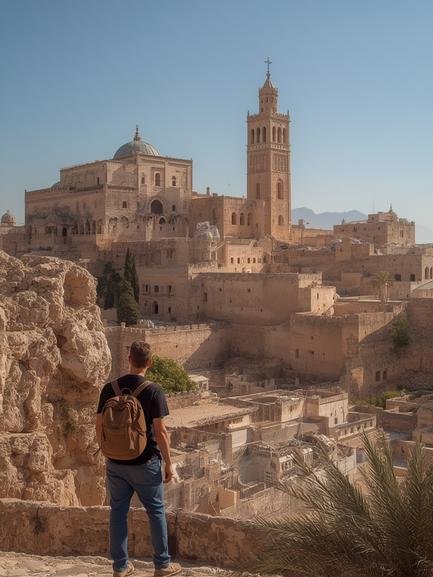
Rabat gay travel requires cultural sensitivity and awareness, but rewards visitors with authentic experiences away from Morocco’s more touristy destinations. The city’s blend of ancient heritage, colonial influence, and emerging modernity creates a multifaceted destination where travelers can experience North African culture in a relatively relaxed atmosphere. While not an openly LGBTQ+ destination, Rabat’s diplomatic character and educated population make it more navigable for LGBTQ+ tourism in Morocco than many other cities in the region. By approaching Rabat with respect for local customs and laws, queer travelers can safely enjoy the rich cultural tapestry this historic capital offers. Consider timing your visit during one of Rabat’s international festivals, when the city embraces its most cosmopolitan character and cultural boundaries temporarily soften.
FAQs
Is Rabat safe for LGBTQ+ travelers?
Rabat is generally safe for LGBTQ+ travelers who exercise discretion. While same-sex relationships are technically illegal in Morocco, Rabat’s status as the capital and diplomatic center means authorities typically focus on more serious crimes. Always be respectful of local customs by avoiding public displays of affection.
How long should I spend in Rabat?
A minimum of two full days allows you to see major attractions, but three to four days provides a more relaxed pace and opportunity to experience daily life and possibly make day trips to nearby destinations like Salé or Casablanca.
Are there any LGBTQ+ specific venues in Rabat?
No, there are no openly LGBTQ+ venues in Rabat. Social connections typically happen through personal networks, international community events, or dating apps (used with discretion and VPN protection).
What should I wear when visiting Rabat?
Modest clothing that covers shoulders and knees is appropriate, especially when visiting religious sites. Rabat is more relaxed than other Moroccan cities, but respecting local dress codes demonstrates cultural sensitivity.
Can I take photographs freely in Rabat?
Photography is generally permitted at tourist sites, but avoid photographing government buildings, military installations, or local people without permission. Always ask before taking photos of individuals, especially women.