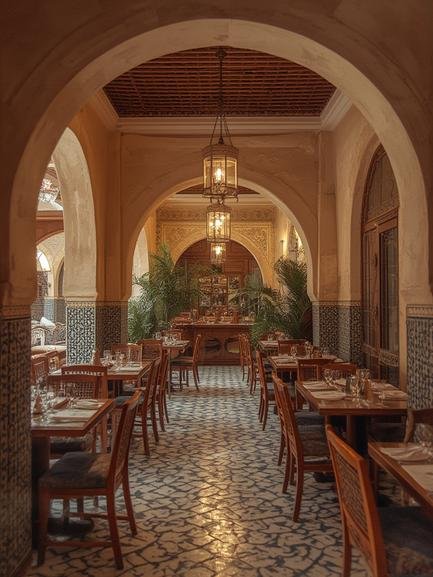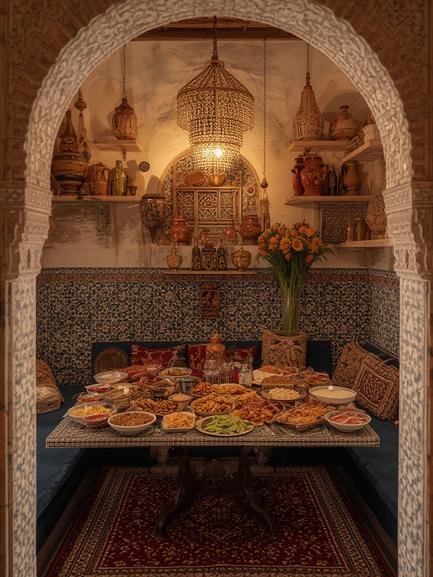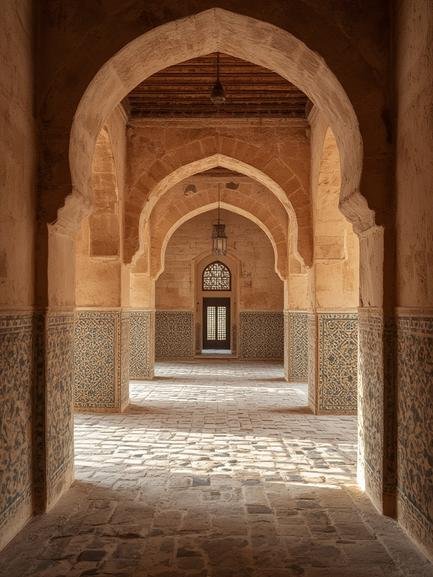


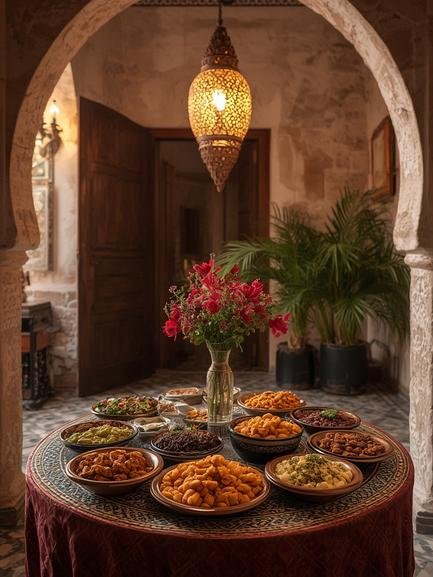

Have you ever wondered where to find the authentic flavors that truly represent Morocco’s culinary heritage? Rabat traditional Moroccan food offers a captivating journey through centuries of culinary tradition in the country’s elegant capital. As the political heart of Morocco, Rabat blends royal refinement with deeply rooted food customs that reflect Berber, Arab, Andalusian, and French influences. Food enthusiasts and cultural travelers will find themselves immersed in a sensory experience that goes beyond mere sustenance—it’s a window into Morocco’s soul. The city’s culinary landscape is complemented by its historical medina architecture, creating a perfect backdrop for your gastronomic adventure.
History & Cultural Background
Rabat’s culinary traditions date back to the 12th century when the Almohad dynasty established the city as a fortress. The food culture evolved significantly during the Andalusian migration from Spain in the 15th century, bringing sophisticated cooking techniques and new ingredient combinations. When Rabat became the capital during the French Protectorate (1912-1956), European influences subtly integrated into local cuisine without overshadowing traditional methods.
The royal influence is unmistakable in Rabat’s refined cooking styles, with dishes often featuring delicate spicing and meticulous presentation compared to other Moroccan regions. Traditional cooking remains largely matriarchal, with recipes passed down through generations of women, preserving techniques developed over centuries. Seasonal celebrations like Ramadan, Eid al-Fitr, and harvest festivals continue to shape the rhythm of Rabat’s food culture, with specific dishes prepared only during these special times.
Architectural Highlights & Key Features
Rabat’s culinary identity is defined by several distinctive elements. The balance of sweet and savory flavors—exemplified in tagines combining meat with fruits like prunes or apricots—showcases the sophisticated palate development unique to Moroccan cuisine. Spice blends like ras el hanout, which may contain up to 30 different spices, demonstrate the complex layering of flavors found in even simple dishes.
Unlike the heavier spicing in Marrakech or Fez, Rabat’s cuisine tends toward subtle aromatics, similar to the refined royal cuisines found in cities like Isfahan (Iran) or Granada (Spain). The city’s coastal location introduces a wealth of seafood dishes not found in inland Moroccan cities, including fish tagines perfumed with chermoula (a marinade of herbs, oil, lemon, garlic, and spices) and various grilled fish preparations.
Best Time to Visit & Practical Information
For culinary travelers, spring (April-May) and fall (September-October) offer the ideal climate for exploring food markets and outdoor dining. Summer can be hot but brings vibrant seasonal fruits, while winter showcases hearty stews and special holiday dishes. Ramadan dramatically transforms the food landscape with night markets and special festive foods—worth experiencing despite daytime restaurant closures.
Food tours typically cost 500-800 MAD ($50-80) per person, while cooking classes range from 600-1,200 MAD ($60-120). Most markets are open daily from early morning until sunset, with Friday mornings being particularly lively. The central medina, Agdal, and Hassan districts contain the highest concentration of traditional eateries, easily reached by petit taxi (use the meter or agree on a price of around 20-30 MAD within the city).
Step-by-Step Exploration Guide
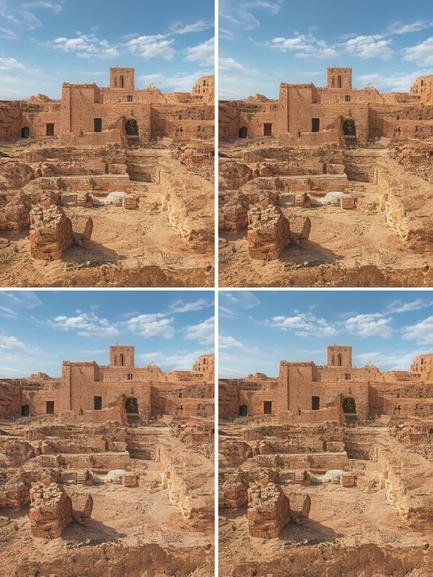
Begin your culinary journey at the Central Market (Marché Central) in the morning when produce is freshest. Look for vendors selling msemen (flaky, square-shaped pancakes) and beghrir (honeycomb pancakes) for breakfast—perfect with honey and mint tea.
Next, venture into the medina via Rue des Consuls, where you’ll find small bakeries producing khobz (traditional round bread). Notice how locals bring their homemade dough to be baked in communal ovens—a practice dating back centuries.
For lunch, seek out a traditional restaurant serving Rabat traditional Moroccan food specialties like rfissa (chicken with lentils on shredded msemen) or the local seafood tagine. The area near Kasbah des Oudaias offers several authentic options with beautiful historical medina architecture as your backdrop.
In the afternoon, visit a pastry shop for gazelle horns (crescent-shaped pastries filled with almond paste) and explore the olive vendors who offer multiple varieties for tasting. End your day at a rooftop restaurant in the evening, where you can enjoy slow-cooked mechoui (roasted lamb) while watching the sunset over the ancient city.
Nearby Attractions, Food & Accommodation
Combine your culinary exploration with visits to the Hassan Tower, Kasbah des Oudaias, and Chellah ruins—all within close proximity to excellent food destinations. For authentic dining, try Dinarjat in the medina (mid-range, 200-300 MAD per person) for traditional dishes served in a restored heritage building, or Dar El Medina for upscale Moroccan cuisine (400-600 MAD per person).
Budget travelers should explore the food stalls near Bab El Had, where grilled meats, sandwiches, and bowls of harira soup cost just 20-50 MAD. For accommodation that complements your food journey, consider Riad Kalaa in the medina (1,000-1,500 MAD per night), offering traditional architecture with modern comforts and often hosting cooking demonstrations.
Travel Tips & Common Mistakes to Avoid
Don’t rush through meals—Moroccan dining is meant to be slow and social. Avoid eating everything with utensils; many dishes like tagine are traditionally eaten with bread as your scooping tool (using right hand only). Never refuse tea when offered, as it’s considered rude, but it’s acceptable to take just a ceremonial sip if you don’t want the full glass.
Many visitors miss seasonal specialties like tanjia (slow-cooked meat) in winter or fresh sardine kefta in summer—always ask what’s special or seasonal. Also, don’t assume that all Moroccan food is spicy; Rabat’s cuisine specifically tends to be aromatic rather than hot, with chili served on the side for those who want heat.
Conclusion
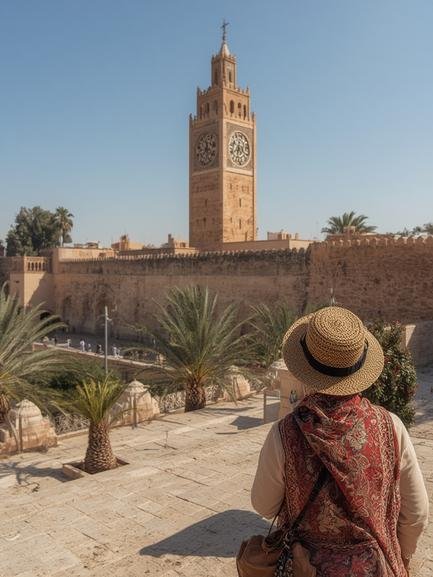
Rabat traditional Moroccan food represents more than just sustenance—it’s a living museum of flavors that tells the story of Morocco’s rich cultural tapestry. The careful balance of spices, the time-honored cooking methods, and the social rituals surrounding meals create an immersive experience that resonates with travelers long after they’ve returned home. As you wander through the city’s ancient streets, sampling everything from street food to royal dishes against the backdrop of stunning historical medina architecture, you’ll discover that Rabat offers one of Morocco’s most rewarding culinary landscapes. Save this guide for your next Moroccan adventure, and don’t forget to share your favorite food discoveries with fellow travelers!
FAQs
How long should I spend exploring Rabat’s food scene?
A minimum of two full days allows you to sample essential dishes and visit key markets. Add a third day if you want to include a cooking class or more in-depth market exploration.
Is it safe to eat street food in Rabat?
Generally yes, but stick to busy stalls with high turnover and where you can see food being freshly prepared. Avoid raw vegetables unless you’re confident they’ve been properly washed.
What should I wear when dining in traditional restaurants?
Modest dress is appreciated—shoulders and knees covered for both men and women. Higher-end restaurants may expect smart casual attire, while street food venues are completely informal.
Are there good options for vegetarians in traditional Moroccan cuisine?
Yes! Look for vegetable tagines, zaalouk (eggplant salad), taktouka (pepper salad), and a variety of bean dishes. Many restaurants now offer vegetarian versions of classic dishes if requested.