

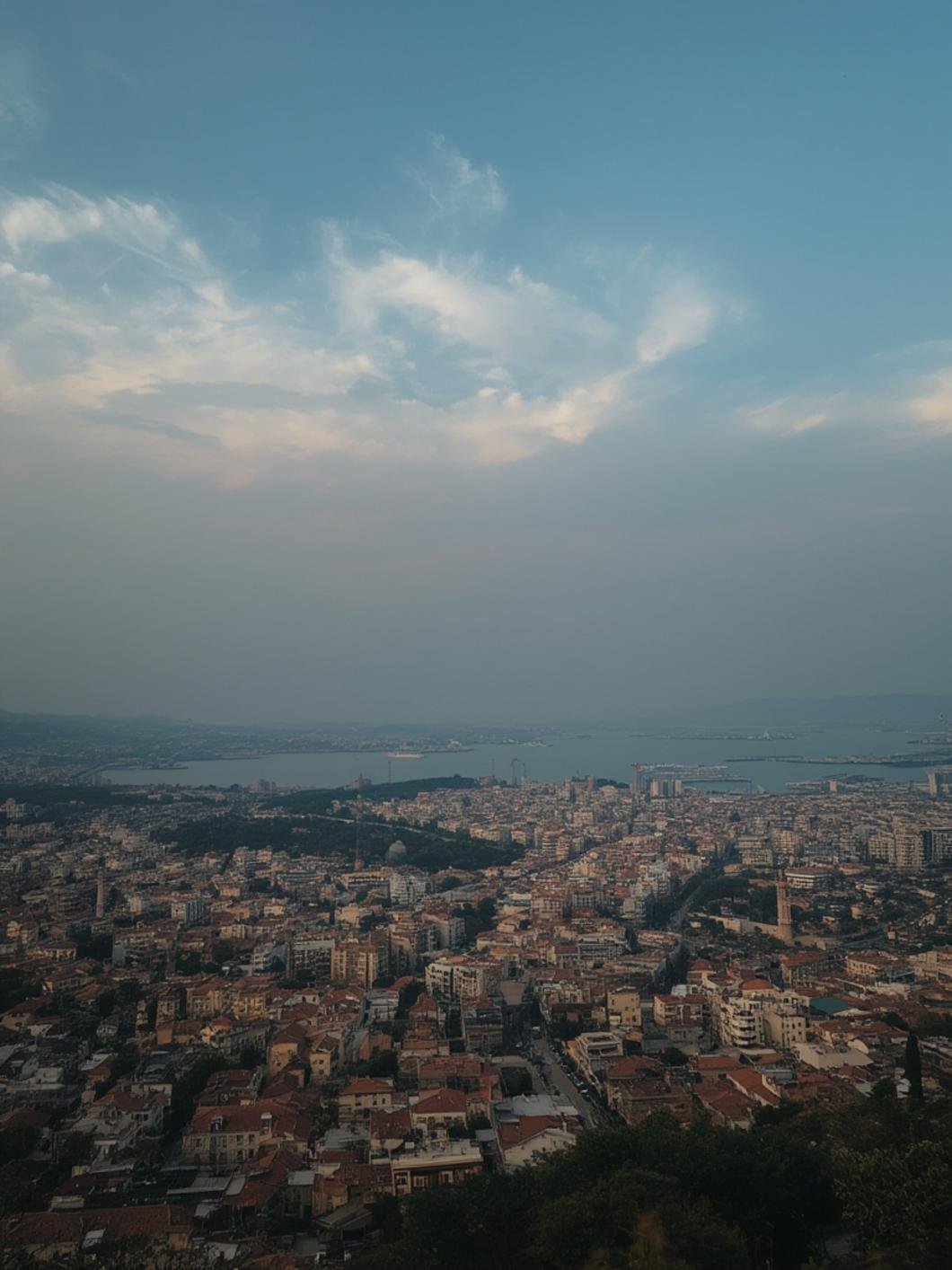

Have you ever wondered what adventures await along the Atlantic coastline connecting Morocco’s political and economic capitals? The journey from Rabat to Casablanca offers travelers a fascinating glimpse into Morocco’s contrasting urban landscapes, where traditional heritage meets modern development. This 87-kilometer stretch along the Atlantic coast connects two cities that together showcase Morocco’s evolution from imperial past to cosmopolitan future. Whether you’re interested in historical sites, coastal scenery, or vibrant cultural experiences, the route between these cities deserves dedicated exploration rather than just a quick transit.
With exceptional transportation options in Morocco connecting these urban centers, travelers can easily experience the best of both worlds.
History & Cultural Background
The corridor between these two cities has witnessed centuries of Moroccan history. Rabat, established as an Almohad fortress in the 12th century, eventually became the country’s capital under the French Protectorate in 1912 and maintained this status after independence in 1956. Its well-preserved kasbah, medieval walls, and royal palaces tell the story of Morocco’s dynastic past. Casablanca, by contrast, transformed from a small Berber settlement called Anfa into Morocco’s largest city and economic powerhouse during the 20th century. The French colonial influence is particularly evident in Casablanca’s architecture, while Rabat retains more of its traditional Moroccan character. This historical contrast makes traveling between these cities particularly enlightening for those interested in Morocco’s complex relationship with colonialism, independence, and modernization.
Architectural Highlights & Key Features
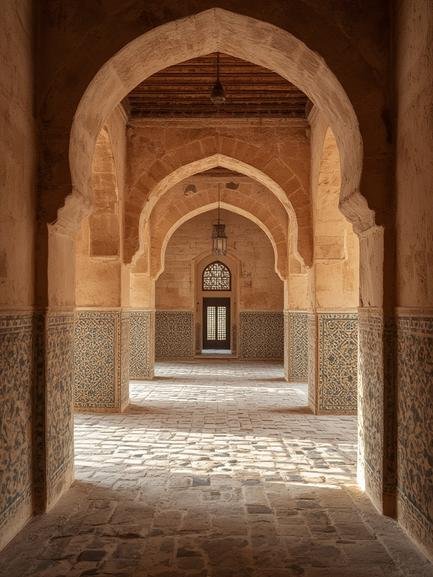
The architectural journey between these cities offers a remarkable study in contrasts. Rabat’s UNESCO-listed sites include the 12th-century Hassan Tower, the ornate Mausoleum of Mohammed V, and the picturesque Kasbah of the Udayas with its Andalusian-inspired blue and white streets. The city’s French-designed Ville Nouvelle showcases elegant early 20th-century buildings.
As you approach Casablanca, the landscape shifts dramatically toward Art Deco and Modernist styles, culminating in the spectacular Hassan II Mosque—the third-largest mosque in the world with its 210-meter minaret overlooking the Atlantic. Casablanca’s colonial architecture, particularly around Mohammed V Square and the Habous Quarter, represents one of the largest collections of Art Deco buildings anywhere in the world, rivaling even Miami’s famed Art Deco district in scope and preservation.
Best Time to Visit & Practical Information
The ideal time to travel between these cities is during spring (April-May) or fall (September-October) when temperatures are pleasant and tourist crowds are thinner. Summer months can be hot and crowded, particularly in Casablanca, while winter brings occasional rainfall but mild temperatures around 15-20°C.
For transportation, trains run regularly between Rabat and Casablanca (approximately hourly) with the journey taking about 1-1.5 hours on regular trains and just 30 minutes on the high-speed Al Boraq service. One-way tickets cost 35-75 MAD ($3.50-$7.50) depending on class and train type. Grand taxis are another option, departing when full from designated stations in each city for around 60-80 MAD per person.
Step-by-Step Exploration Guide
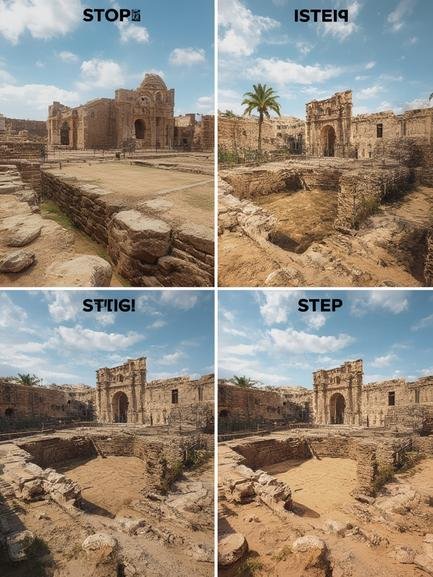
1. Start in Rabat: Begin your journey at the Hassan Tower and Mohammed V Mausoleum complex, arriving early to avoid crowds.
2. Explore the Kasbah: Wander through the Kasbah of the Udayas, stopping at Café Maure for mint tea with Atlantic views.
3. Train to Casablanca: Take the mid-morning train from Rabat Ville to Casa Voyageurs station.
4. Hassan II Mosque: Head directly to this architectural marvel for a guided tour (offered several times daily in multiple languages).
5. Art Deco District: Explore the downtown area around Mohammed V Square to admire Casablanca’s colonial architecture.
6. Corniche: Stroll along the oceanfront boulevard as locals do in the late afternoon.
When traveling from Rabat to Casablanca, consider stopping at the coastal town of Temara or Ain Diab beach to break up your journey with some relaxing ocean views. Many travelers miss these intermediate spots while focusing only on the major transportation options in Morocco.
Nearby Attractions, Food & Accommodation
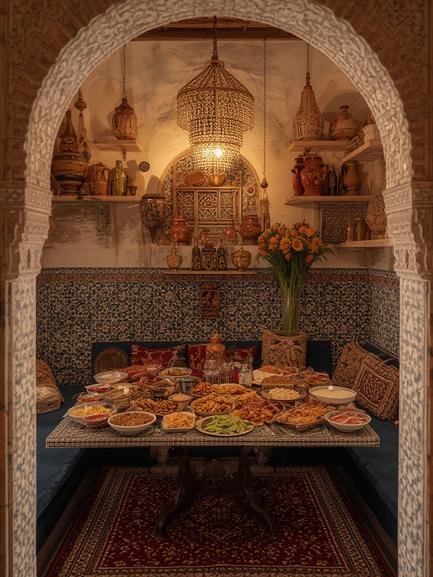
Near this route, consider visiting the ancient Roman ruins of Sala Colonia just outside Rabat, or the seaside resort of Mohammedia halfway between the two cities. For dining, try Dar El Medina in Rabat for traditional Moroccan cuisine in a riad setting, or sample fresh seafood at any of the restaurants along Ain Diab beach in Casablanca.
For accommodation, Rabat offers charming riads in the medina like Riad Kalaa (mid-range) or Dar El Kebira (upscale). In Casablanca, consider the historic Hotel Le Doge for Art Deco luxury or Ibis Casa Voyageurs for budget-friendly stays near the train station.
Travel Tips & Common Mistakes to Avoid
- Don’t rush: Many travelers treat this journey as merely transportation rather than an experience in itself.
- Train tickets: Purchase first-class tickets for longer journeys, especially in summer, as they’re reserved and air-conditioned.
- Prayer times: Remember the Hassan II Mosque closes to non-Muslims during prayer times, so check the schedule before visiting.
- Safety: While generally safe, avoid displaying expensive items on trains and watch your belongings in crowded stations.
- Bargaining: Negotiate taxi fares before entering the vehicle, and agree on whether you’re paying for a shared ride or the entire taxi.
Conclusion
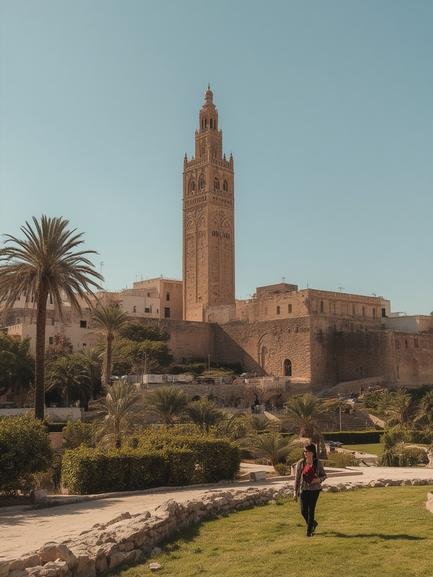
The journey from Rabat to Casablanca encapsulates Morocco’s fascinating duality—where ancient traditions and imperial heritage meet economic progress and architectural innovation. Rather than simply passing through, take time to appreciate how these cities complement each other in telling Morocco’s complete story. Whether you’re a history enthusiast, architecture lover, or culinary explorer, this coastal corridor deserves dedicated exploration. As you plan your Moroccan adventure, consider how the excellent transportation options in Morocco can help you experience both cities fully, creating memories that will last long after your journey ends. Have you experienced this remarkable journey? Share your stories in the comments below!
FAQs
How long should I spend exploring between Rabat and Casablanca?
Ideally, allocate 2-3 days in each city to fully appreciate their distinct characters and main attractions without rushing.
Is it safe to travel between these cities at night?
While daytime travel is recommended for scenic views, evening trains between Rabat and Casablanca are generally safe and well-patronized, particularly first-class carriages.
Can I visit both cities as day trips from Marrakech?
This isn’t recommended as Marrakech is 3+ hours from Casablanca by train. Better to stay overnight in each city or base yourself in one and day-trip to the other.
Are there good stops between the two cities?
Consider Temara or Mohammedia for their beaches, or Bouznika for a more relaxed coastal town experience away from the big cities.
Is photography allowed at all the main sites?
Most exterior sites permit photography, but some interiors (particularly museums in Rabat and parts of the Hassan II Mosque) have restrictions. Always check signage or ask guides before taking photos.