

Have you ever dreamed of experiencing authentic Moroccan hospitality within walls that whisper centuries of history? In Morocco’s capital city, Rabat, riads offer travelers a unique opportunity to immerse themselves in traditional Moroccan architecture while enjoying modern comforts.
These traditional courtyard houses represent the perfect blend of luxury, history, and cultural authenticity that make them increasingly popular among discerning travelers seeking alternatives to conventional hotels. Many visitors combine their stay in Moroccan guesthouses with explorations of the city’s UNESCO World Heritage sites, creating a complete cultural experience that engages all the senses.
History & Cultural Background
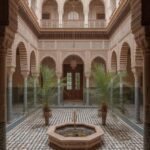
The history of Rabat’s traditional houses dates back to the 12th century during the Almohad dynasty. The word “riad” comes from the Arabic term for garden, reflecting the central courtyard design that characterizes these dwellings. Originally built for wealthy merchants and nobility, these homes were designed around principles of privacy, protection from the harsh climate, and Islamic architectural traditions.
During the French Protectorate period (1912-1956), many riads fell into disrepair as wealthy families moved to modern neighborhoods. The revival began in the 1990s when foreigners and Moroccans started purchasing and restoring these architectural treasures, transforming them into boutique hotels and guesthouses while preserving their historical integrity.
Architectural Highlights & Key Features
What makes Rabat’s riads architecturally significant is their inward-facing design centered around an open courtyard, often featuring a fountain or small garden. Key architectural elements include:
– Courtyard (Wast ed-dar): The heart of the riad, providing light, ventilation, and a private outdoor space
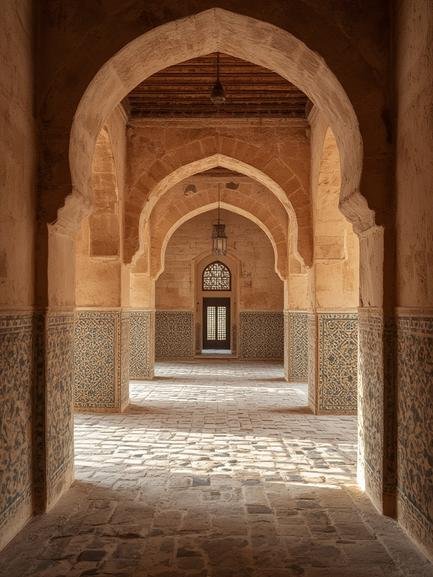
– Zellige tilework: Intricate geometric mosaic patterns adorning walls and floors
– Carved stucco (Gebs): Ornate plasterwork featuring Arabic calligraphy and floral motifs
– Wooden elements: Cedar ceilings with painted designs (zouak) and carved doors
– Tadelakt: Waterproof lime plaster used in bathrooms and around fountains
Unlike the more flamboyant riads of Marrakech, Rabat’s versions often feature subtle elegance with influences from Andalusian architecture, reflecting the city’s imperial history and proximity to Europe.
Best Time to Visit & Practical Information
For the most comfortable experience, visit Rabat’s riads between April and May and September and October, when temperatures are pleasant, and you can fully enjoy their open courtyards. If staying in a riad:
– Booking: Reserve 2-3 months in advance, especially during peak season (spring and fall)
– Price range: $60-$250 per night depending on luxury level
– Location: Most authentic riads are found in the Medina and Kasbah des Oudaias neighborhoods
– Transportation: Most riads offer airport transfers (approximately $20-30)
When visiting riads that function as museums or restaurants, be aware that many close between 12:00 and 3:00 PM. Some riads only accept cash payments, so come prepared with Moroccan dirhams.
Step-by-Step Exploration Guide
To truly appreciate Rabat riads and their architectural significance, follow this exploration route through the city’s most impressive examples:
1. Begin at Kasbah des Oudaias: Visit the publicly accessible Andalusian Gardens and explore the narrow blue and white streets where several restored Moroccan guesthouses showcase traditional riad architecture.
2. Head to Rabat Medina: Enter through Bab El Had gate and navigate the narrow derbs (alleys) where you’ll find:
– Riad Zyo—Notable for its traditional craftsmanship
– Riad Kalaa – Features a museum section open to non-guests
– Dar El Kebira—exemplifies restored Andalusian-style architecture
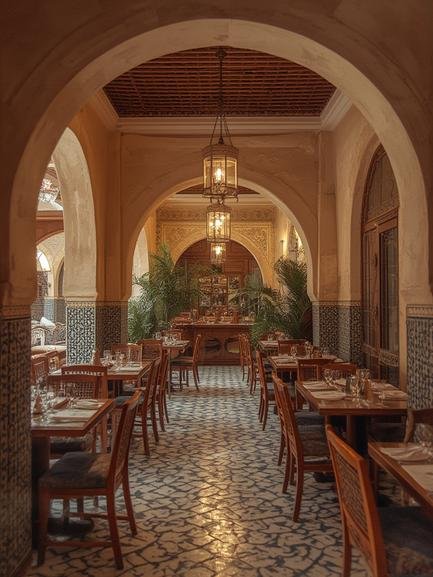
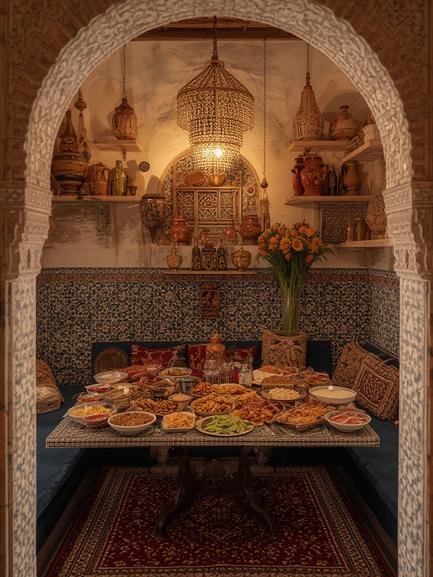
3. Visit Riad-based restaurants: Experience the atmosphere even without staying overnight at places like Dinarjat or Le Ziryab, where you can enjoy traditional Moroccan cuisine in authentic riad settings.
4. Explore artisanal workshops: Many riads house traditional craft demonstrations; look for signs advertising zellige or woodcarving workshops where you can observe artisans preserving centuries-old techniques.
Nearby Attractions, Food & Accommodation
When exploring Rabat’s riads, incorporate these nearby attractions:
Within walking distance:
– Hassan Tower and Mohammed V Mausoleum
– Chellah Necropolis (ancient Roman ruins)
– Rabat Archaeological Museum
– Atlantic Ocean beaches
Dining options:
– Budget: Café Clock (modern Moroccan in a riad setting)
– Mid-range: Dar Naji (traditional dishes in a converted riad)
– Luxury: La Maison Arabe (fine Moroccan cuisine in an elegant riad)
Accommodation alternatives:
– Budget travelers: Riad Meftaha or Riad Dar El Kebira
– Mid-range: Riad Zyo or Dar El Médiina
– Luxury seekers: Villa Mandarine or Riad Kalaa 2
Travel Tips & Common Mistakes to Avoid
When visiting or staying in Rabat’s riads:
– Don’t expect hotel-style services: Riads offer personalized experiences but may lack facilities like elevators or 24-hour reception
– Be mindful of noise: The open courtyard design means sound travels easily between rooms
– Respect privacy customs: Some areas may be family-only or have specific photography restrictions
– Plan your arrival: Many riads are located in pedestrian-only areas; communicate your arrival time so staff can meet and guide you
– Understand seasonal variations: Summer can make courtyard areas uncomfortably hot during midday, while winter nights can be chilly
Conclusion
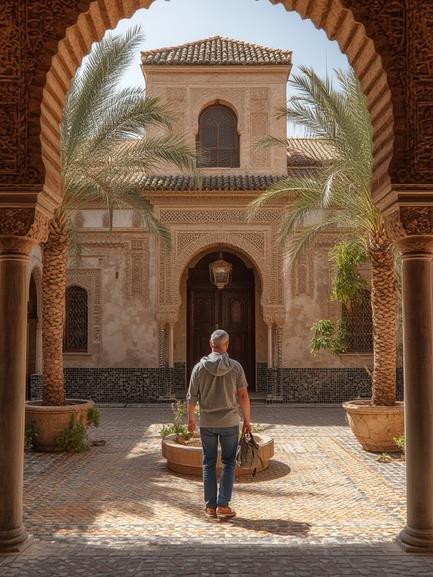
The enchanting Rabat riads offer far more than just accommodation—they provide a living museum experience where visitors can connect with Morocco’s rich architectural heritage and traditional hospitality. Whether you’re sipping mint tea under intricately carved archways, photographing sunlight patterns cast through latticed windows, or sleeping beneath painted cedar ceilings, these restored mansions create memories that standard hotels simply cannot match. As interest in authentic travel experiences continues to grow, the carefully preserved Moroccan guesthouses of Rabat stand as testaments to the enduring appeal of spaces designed for both beauty and human comfort. Consider including at least one night in a riad during your next Moroccan adventure—your senses will thank you.
FAQs
How safe are riads in Rabat for solo female travelers?
Riads in Rabat are generally very safe for solo female travelers, offering secure accommodations with attentive staff who can provide local advice. Most are located in well-traveled areas of the Medina.
What’s the ideal length of stay in a Rabat riad?
A 2-3 night stay is ideal to fully appreciate the riad experience while exploring Rabat’s attractions. This allows time to enjoy the property’s amenities and the surrounding neighborhood.
Do I need to cover up when staying in a riad?
While inside the riad, modest casual clothing is appropriate. There’s no need for head coverings, but very revealing attire may make staff uncomfortable in this culturally conservative country.
Can I take photographs inside riads?
Most riads welcome photography, but always ask permission first, especially if staff members would be in your photos. Some may have restrictions on commercial photography.
Do riads accommodate dietary restrictions?
Yes, most riads are accustomed to accommodating vegetarian, vegan, and allergy-specific diets with advance notice. Their breakfast offerings can typically be adjusted to meet these needs.