

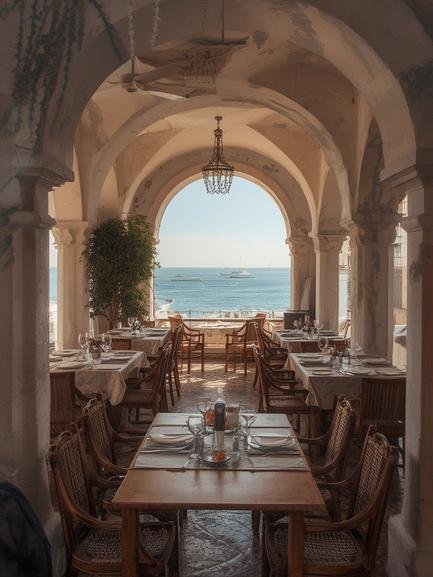

Morocco’s capital city is a treasure trove of culinary delights, with its coastal location providing the perfect setting for exceptional maritime cuisine. Seafood restaurants Rabat showcase the rich bounty of the Atlantic Ocean, merging traditional Moroccan flavors with the freshest catches of the day. From upscale dining establishments along the Bouregreg River to humble fish stalls in the medina, these venues offer an authentic taste of Moroccan coastal cuisine that captivates both locals and visitors.
The vibrant seafood scene has become an essential component of Rabat’s gastronomic identity, reflecting the city’s unique position where royal heritage meets maritime tradition.
History & Cultural Background
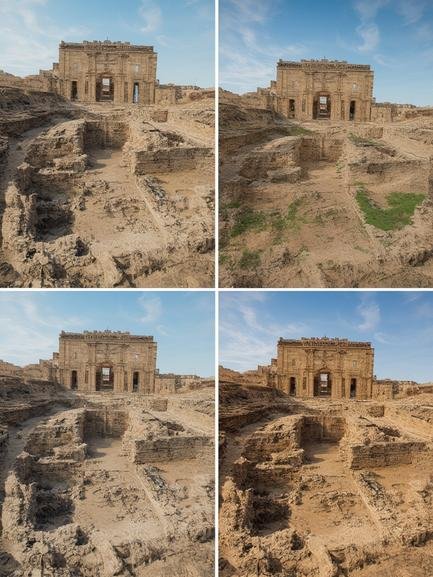
The seafood tradition in Rabat dates back centuries, with fishing being an integral part of local life since the city’s foundation by the Almohad ruler Abd al-Mu’min in the 12th century. The strategic location at the mouth of the Bouregreg River made it an ideal spot for fishing communities to flourish. Historically, simple fish preparations dominated the local diet, with grilled sardines and fish tagines being staples for centuries.
The modern seafood restaurant scene began developing in the mid-20th century during the French Protectorate period, when European culinary influences blended with Moroccan traditions. After independence in 1956, these establishments evolved to celebrate distinctly Moroccan flavors while incorporating Mediterranean and international techniques. Today, seafood restaurants in Rabat represent this rich cultural fusion, honoring ancient Andalusian-Moroccan recipes while embracing contemporary culinary trends.
Architectural Highlights & Key Features
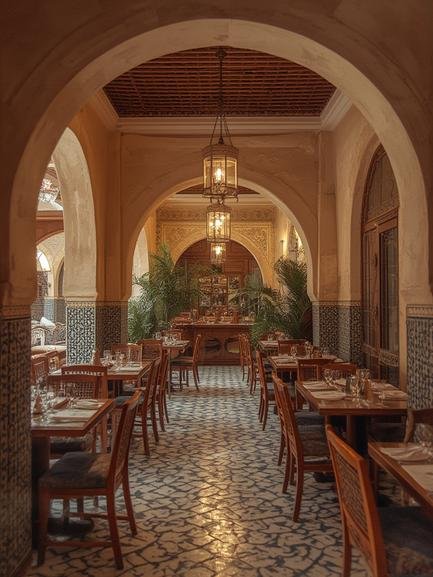
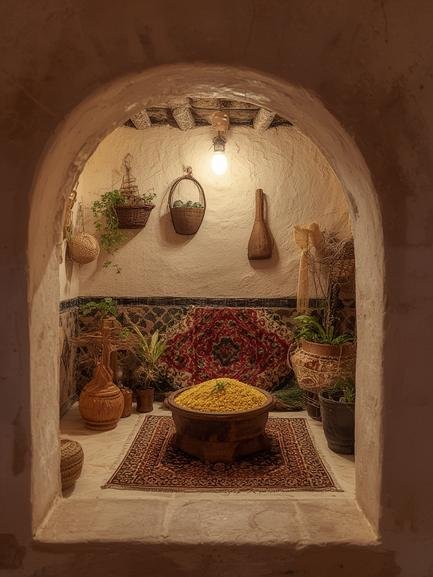
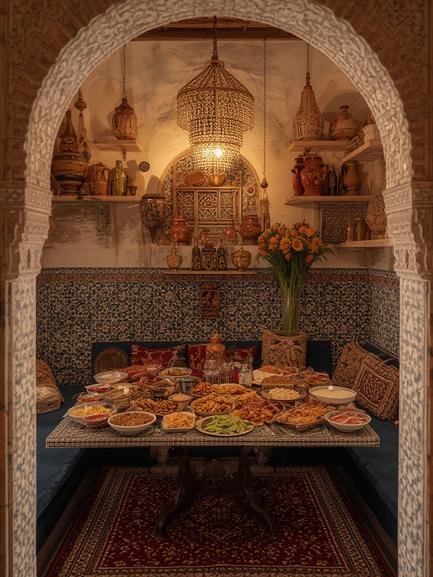
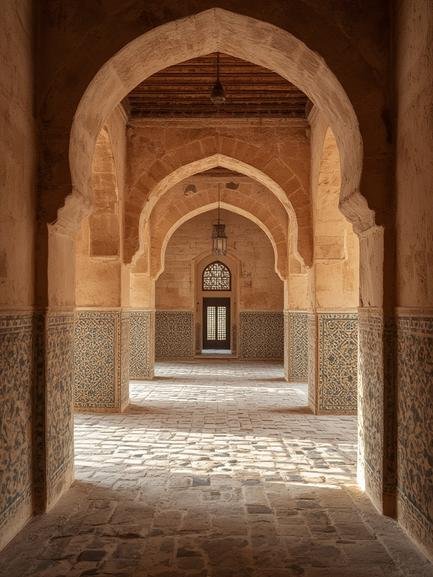
The architecture of Rabat’s seafood establishments varies widely, reflecting the city’s diverse character. In the Medina quarter, small family-run restaurants occupy traditional riads with intimate courtyards adorned with zellige tilework and carved cedar wood ceilings. These spaces typically feature small open kitchens where patrons can watch their meals being prepared.
Along the Bouregreg River and oceanfront, modernist influences dominate in glass-walled restaurants offering panoramic views. Many establishments in the upscale Agdal and Hassan districts blend Moroccan design elements with contemporary aesthetics, using arched doorways, decorative screens, and plush banquette seating. The most authentic seafood restaurants maintain connections to their maritime heritage through nautical décor, displaying fishing nets, boat components, and vintage photographs of Rabat’s fishing industry. Regardless of style, most venues center around the display of fresh seafood on beds of ice, allowing guests to select their specific fish before preparation.
Best Time to Visit & Practical Information
The optimal period to enjoy Rabat’s seafood scene is between September and May when the weather is pleasant and the fish supply is abundant. Summer months (June-August) see higher tourist numbers and occasionally less variety in seafood options. For the freshest catches, lunch is often preferable to dinner, especially at restaurants that source directly from morning markets.
Most seafood restaurants operate from 12:00 PM to 3:00 PM for lunch and 7:00 PM to 11:00 PM for dinner, though some casual eateries remain open throughout the day. Prices vary significantly: expect to pay 80-150 dirhams ($8-15) per person at mid-range establishments and 200-400 dirhams ($20-40) at upscale venues. Reservations are recommended for popular restaurants, especially during weekends and holidays.
While dress code is generally casual, nicer restaurants in Agdal and Hassan neighborhoods appreciate smart-casual attire. Most seafood establishments are accessible by petit taxi, with clusters of restaurants located in the Medina, along Avenue Mohammed V, and near the Bouregreg Marina.
Step-by-Step Exploration Guide
Begin your culinary journey at the Bouregreg Marina, where several upscale Seafood restaurants Rabat offer waterfront dining with views of the Kasbah des Oudaias. Here, you’ll find sophisticated preparations highlighting the day’s catch alongside Moroccan coastal cuisine specialties like seafood pastilla and oysters from Oualidia.
Next, head to the historic Medina, where smaller, family-run establishments serve authentic preparations. Look for places where locals gather, particularly around Rue Souika and Rue des Consuls. These modest venues often offer the most traditional cooking methods, with fish tagines slow-cooked in clay pots and sardines grilled over charcoal.
For a mid-range experience, explore the modern city center along Avenue Mohammed V and in the Agdal neighborhood. These restaurants typically offer extensive menus combining Moroccan classics with Mediterranean influences. Don’t miss trying:
– Chargrilled sea bass with chermoula (a marinade of herbs, lemon, and spices)
– Spider crab tajine with saffron and preserved lemon
– Grilled calamari with harissa and olive oil
– Seafood couscous (typically served on Fridays)
– Fish pastilla with almonds and cinnamon
Complete your tour with a visit to the bustling Central Market in the morning to witness fishmongers displaying the day’s catch, offering insight into the ingredients you’ll encounter on restaurant menus.
Nearby Attractions, Food & Accommodation
After enjoying Rabat’s seafood offerings, explore nearby attractions including the picturesque Kasbah des Oudaias (10-15 minutes from most central restaurants), Hassan Tower and Mohammed V Mausoleum (central location), and the Chellah Necropolis (requiring a short taxi ride). The Royal Palace grounds and Andalusian Gardens also make excellent post-meal walking destinations.
For accommodation, consider:
– Budget: Hotel Calipau Rabat ($30-50/night)
– Mid-range: Riad Zyo or Riad Dar El Kebira ($80-120/night)
– Luxury: Sofitel Jardin des Roses or La Tour Hassan Palace ($180-300/night)
For culinary variety beyond seafood, try traditional Moroccan cuisine at Le Ziryab, international options at Le Petit Beur, or street food in the Medina. Café Maure in the Kasbah offers mint tea with panoramic views—perfect for digesting after a substantial seafood meal.
Travel Tips & Common Mistakes to Avoid
When dining at seafood establishments in Rabat, avoid these common pitfalls:
– Choosing tourist-oriented restaurants: Establishments with aggressive touts or menus in multiple languages often serve lower-quality food at higher prices.
– Ordering seafood on Mondays: Many restaurants receive fresh deliveries Tuesday through Sunday, making Monday potentially less optimal for variety.
– Ignoring seasonal availability: Always ask what’s freshest rather than insisting on specific items that may be out of season.
– Missing the fish selection process: At traditional restaurants, selecting your specific fish before cooking is part of the experience.
– Overlooking simple preparations: Often, the simplest dishes (like grilled fish with salt and lemon) best showcase the quality of Rabat’s seafood.
Practical tips include:
– Learn basic Arabic or French phrases for ordering
– Confirm prices before selecting fish sold by weight
– Bring cash, as smaller establishments may not accept cards
– Request mild spice levels if you’re sensitive to heat
– Ask locals for recommendations rather than relying solely on review sites
Conclusion
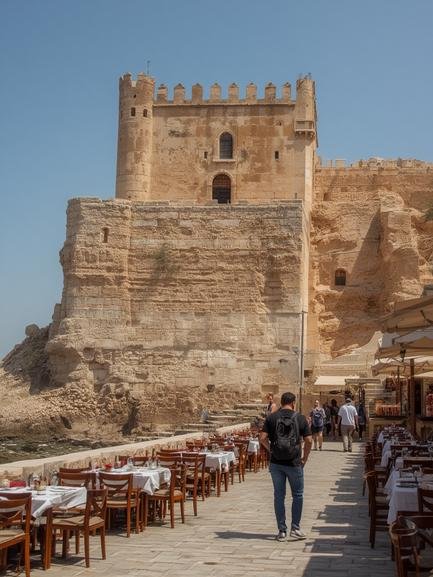
The diverse and flavorful offerings of Seafood restaurants Rabat provide a window into Morocco’s rich culinary heritage, where centuries-old recipes meet the bounty of the Atlantic. From humble family-run eateries to sophisticated dining venues, these establishments offer something for every palate and budget. The city’s unique position as both a coastal hub and royal capital creates a distinctive Moroccan coastal cuisine experience not found elsewhere in the country. Whether you’re savoring a delicate fish tagine spiced with saffron and preserved lemon or enjoying freshly grilled sardines by the waterfront, Rabat’s seafood scene deserves a central place in your Moroccan culinary journey. Plan your visit, explore beyond the tourist haunts, and discover why locals take such pride in their maritime gastronomic traditions.
FAQs
How much should I expect to spend at seafood restaurants in Rabat?
Prices vary widely, from 80-150 dirhams ($8-15) per person at casual establishments to 200-400 dirhams ($20-40) at upscale venues. Restaurants selling fish by weight can be more expensive, so always confirm prices before ordering.
Is it safe to eat seafood in Rabat?
Yes, seafood in Rabat is generally safe when consumed at established restaurants. The city’s proximity to the ocean ensures fresh supply, and reputable establishments maintain proper refrigeration and preparation standards.
What is the best seafood dish to try in Rabat?
Fish tagine with preserved lemons and olives represents the quintessential Moroccan seafood experience. Other must-try specialties include grilled sea bass with chermoula, seafood pastilla, and charcoal-grilled sardines.
Are reservations necessary at seafood restaurants in Rabat?
Reservations are recommended for upscale establishments, especially on weekends. For casual restaurants in the Medina, reservations are less important, though you may need to wait during peak dining hours.
Are there good options for vegetarians at Rabat’s seafood restaurants?
While seafood is the focus, most establishments offer vegetarian options like vegetable tagines, salads, and mezze plates. Communicating dietary restrictions clearly (ideally in French or Arabic) will help ensure appropriate options.