


Have you ever wandered through a Moroccan city where ancient traditions remain untouched by mass tourism? Sale Morocco offers exactly this authentic experience, standing proudly across the Bou Regreg River from its more famous twin, Rabat. While many travelers rush to explore Morocco’s imperial cities, Sale remains a hidden gem with its preserved medina, historical monuments, and vibrant local culture.
The city’s rich maritime history and religious significance make it especially appealing for those interested in Islamic architecture, as evidenced by its magnificent madrasas and mosques that showcase centuries of artistic evolution.
History & Cultural Background
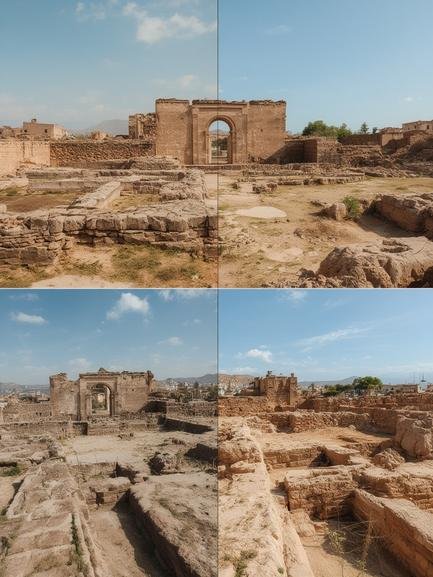
Dating back to Phoenician times, Sale (or Sala Colonia) was established long before its sister city Rabat. The Romans developed it as a port, but Sale truly flourished during the 11th-13th centuries under the Almohad and Marinid dynasties. By the 17th century, the city gained notoriety as a base for the infamous Sallee Rovers—Barbary pirates who conducted raids across the Atlantic and Mediterranean.
What makes Sale particularly fascinating is its historical resistance to outside influence. During the French Protectorate (1912-1956), while Rabat was transformed into a colonial administrative center, Sale largely maintained its traditional character and became a center of resistance against foreign occupation. This historical resilience is reflected in the city’s well-preserved medieval urban fabric and the fierce pride of its inhabitants, known as Slawis.
Architectural Highlights & Key Features
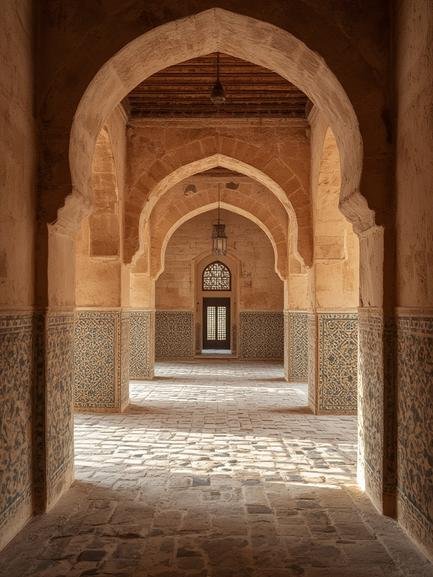
Sale’s architectural treasures reveal a sophisticated blend of Andalusian, Berber, and Arab influences. The Great Mosque, founded in the 12th century during the Almohad era, features a magnificent prayer hall with horseshoe arches and intricate geometric patterns.
The Medersa Abou El Hassan, built in 1341, represents one of Morocco’s finest examples of Marinid architecture. Its central courtyard displays masterful zellij tilework, carved cedar wood, and stucco decorations that rival the famous Ben Youssef Madrasa in Marrakech.
The city’s defensive walls and gates, particularly Bab Mrisa facing the ocean, demonstrate medieval military engineering that protected the city from both European invasions and Atlantic storms. Unlike the reconstructed kasbahs found elsewhere in Morocco, Sale’s fortifications retain much of their original 12th-century stonework.
Best Time to Visit & Practical Information
Visit Sale between April and May or September and October when temperatures are pleasant (20-25°C/68-77°F) and tourist numbers are lower. Summer months (June-August) can be uncomfortably hot, while winter brings cooler temperatures and occasional rain.
Most historical sites open daily from 9:00 AM to 6:00 PM, with Friday morning closures at religious buildings. Entry fees are minimal (10-30 dirhams per site) compared to more touristy Moroccan destinations.
From Rabat, reach Sale via tram (6 dirhams), small boats across the river (2 dirhams), or taxi (approximately 25 dirhams). Once there, the medina is best explored on foot, as its narrow streets are inaccessible to vehicles.
Step-by-Step Exploration Guide
1. Begin at Bab Mrisa, the impressive sea gate, for stunning views of the Atlantic and Rabat across the river.
2. Walk to the Great Mosque and admire its exterior (non-Muslims cannot enter), but don’t miss the adjacent souks where artisans work traditional crafts.
3. Continue to the Medersa Abou El Hassan, where Sale, Morocco‘s finest examples of Islamic architecture, can be fully appreciated. Take time to notice the mathematical precision in the geometric designs.
4. Visit the Zawiya of Sidi Abdullah Ben Hassoun, dedicated to Sale’s patron saint, where local pilgrims still come to pray.
5. Explore Souk El Kebir to witness everyday Moroccan life, focusing on the legendary pottery quarter where Sale’s famous blue-gray ceramics are still produced using traditional methods.
6. End at the Mellah (historic Jewish quarter) to understand the multicultural aspects of Moroccan urban development.
Nearby Attractions, Food & Accommodation
While accommodations in Sale are limited, visitors can enjoy authentic stays at Riad Dar Nawfal or Dar El Mouhit. For dining, try El Bahja for traditional Slawi specialties like “beghrir” (honeycomb pancakes) or “djej mhamer” (Sale’s unique chicken dish with preserved lemons).
Combine your sale visit with excursions to Rabat’s Kasbah des Oudaias, Chellah necropolis, and Mohammed VI Museum of Modern Art—all just a tram ride away. The Atlantic beaches north of Sale offer a refreshing break from cultural sightseeing.
Travel Tips & Common Mistakes to Avoid
Avoid visiting during Friday prayers (noon-2 PM) when many sites close. Unlike touristic areas of Morocco, Sale observes conservative dress codes—both men and women should cover shoulders and knees.
Don’t rush through the medina following a standard route; instead, allow time to get pleasantly lost in the labyrinthine streets where the most authentic experiences occur.
Bring cash, as credit cards are rarely accepted in traditional shops and small restaurants. Bargain respectfully in the souks, but remember that prices here are already lower than in tourist-oriented cities.
Conclusion
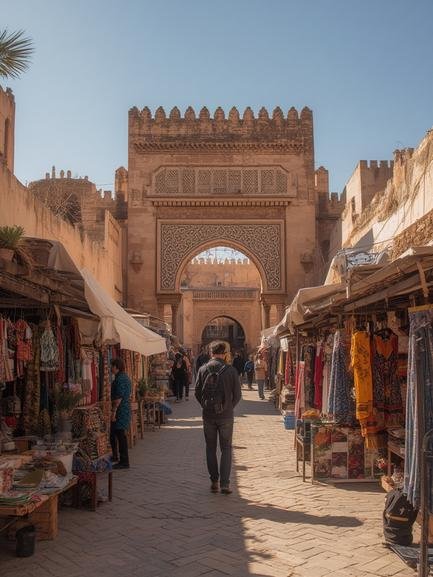
Sale Morocco offers travelers a rare glimpse into authentic Moroccan urban life, preserved across centuries and relatively untouched by mass tourism. The city’s remarkable Islamic architecture, maritime heritage, and living traditions make it an essential destination for those seeking deeper connections with Morocco’s cultural identity. Rather than rushing through Sale as a day trip from Rabat, consider spending at least one full day exploring its meandering alleys, engaging with local artisans, and savoring the rhythm of life that has remained largely unchanged for generations. Have you explored Sale’s hidden corners? Share your experiences in the comments below, or discover our guide to Morocco’s Atlantic coast for more off-the-beaten-path destinations.
FAQs
Is Sale safe for tourists to visit?
Yes, Sale is generally safe for visitors. Like anywhere, maintain normal precautions with valuables. Female travelers may experience fewer unwanted interactions than in more touristy Moroccan cities.
How long should I spend visiting Sale?
A thorough exploration requires at least 4-5 hours, but a full day allows you to experience the medina at different times and enjoy a relaxed local meal.
Do I need a guide to visit Sale?
While not essential, local guides can provide valuable historical context and access to workshops and buildings not normally open to tourists. Arrange official guides through your accommodation or the tourism office.
Can I take photographs in Sale?
Photography is generally permitted in public spaces, but always ask permission before photographing people. Some religious sites restrict photography inside.
Are there any local festivals worth visiting in Sale?
The annual Candle Procession (Mawlid) celebrates the Prophet’s birthday with a spectacular parade of enormous candles carried through the medina, typically occurring in October or November according to the Islamic calendar.