

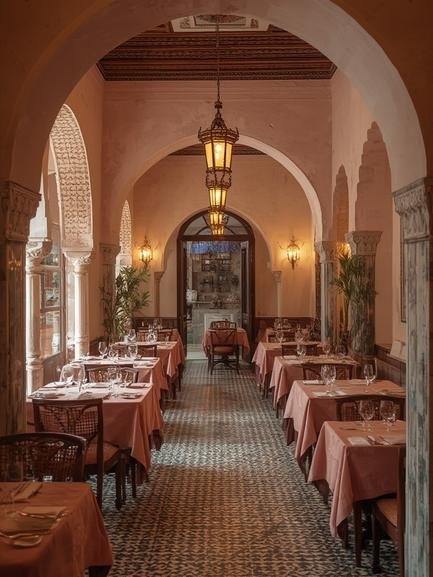

When exploring Morocco’s capital city, the gastronomic scene in Rabat Ville Nouvelle restaurants provides a fascinating contrast to the traditional eateries of the medina. This modern district, developed during the French Protectorate era, has evolved into a sophisticated dining hub where contemporary Moroccan cuisine meets international flavors. Food enthusiasts will delight in the variety of upscale dining options available, from elegant rooftop terraces to chic sidewalk cafés.
The Ville Nouvelle (New City) offers a more cosmopolitan dining experience that perfectly complements Rabat’s traditional culinary heritage.
History & Cultural Background
Rabat’s Ville Nouvelle emerged in the early 20th century during the French Protectorate (1912-1956). French urban planner Henri Prost designed this district as a modern European-style city adjacent to the historic medina. The dining scene began with French-inspired establishments catering to colonial administrators and gradually evolved after independence.
By the 1960s, the area became the administrative heart of independent Morocco, with embassies, government buildings, and an emerging middle class. This period saw the first wave of upscale Moroccan restaurants opening their doors. The 1980s and 1990s brought international influence, with Lebanese, Italian, and Asian restaurants establishing a presence.
Today’s culinary landscape represents this rich historical tapestry, where traditional Moroccan cuisine has been reimagined alongside global culinary traditions. The restaurants in Ville Nouvelle reflect Morocco’s openness to the world while maintaining deep connections to local flavors and ingredients.
Architectural Highlights & Key Features
The restaurant scene in Ville Nouvelle is distinguished by its diverse architectural styles. Many establishments occupy Art Deco buildings with distinctive features like geometric motifs, curved corners, and decorative elements that reflect the district’s French colonial influence.
Contemporary dining venues often feature:
– Elegant terraces overlooking tree-lined boulevards
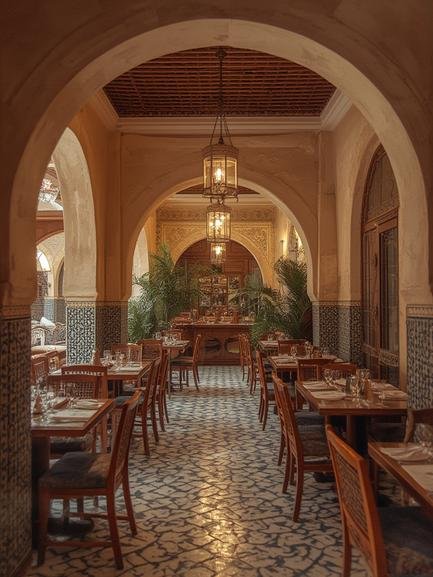
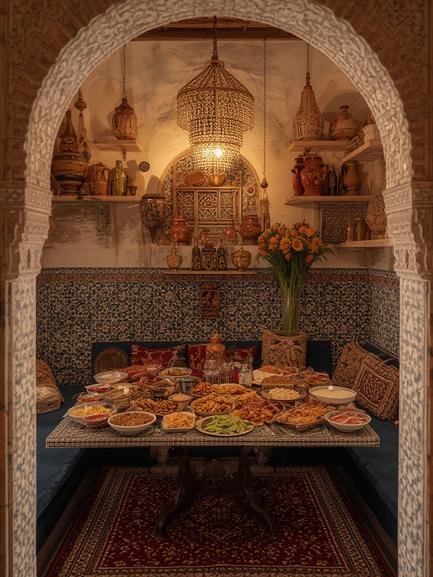
– Modern interiors that blend Moroccan craftsmanship with European design
– Rooftop settings with panoramic views of the city
– Interior courtyards offering secluded dining experiences
– Large picture windows that create bright, airy spaces
The restaurants themselves range from intimate bistros to grand establishments with multiple dining areas. Many have preserved original architectural elements while incorporating modern design touches, creating spaces that honor both Rabat’s heritage and its contemporary identity.
Best Time to Visit & Practical Information
Optimal Visiting Seasons
– Spring (March-May) and fall (September-November) offer ideal weather for outdoor dining.
– Summer evenings (June-August) are pleasant on rooftop terraces, though reservations are essential.
– Ramadan brings special evening menus and a unique atmosphere but altered operating hours.
Dining Hours
– Lunch: 12:00 PM – 2:30 PM
– Dinner: 7:00 PM – 11:00 PM (many locals don’t dine until after 8:30 PM)
– Cafés are typically open throughout the day
Price Range
– Budget meals: 50-100 MAD ($5-10)
– Mid-range restaurants: 150-250 MAD ($15-25) per person
– Fine dining: 300+ MAD ($30+) per person
Transportation
Most restaurants in Ville Nouvelle are concentrated along Avenue Mohammed V, Hassan II, and the streets around Place de 16 Novembre. The area is easily accessible by petit taxi (small red taxis), with most rides within the city costing 20-40 MAD ($2-4).
Step-by-Step Exploration Guide
Morning Café Culture
Begin your culinary journey at one of the French-inspired cafés along Avenue Mohammed V. These establishments offer excellent pastries, fresh-squeezed orange juice, and strong coffee—perfect for watching the city come to life.
Lunch Exploration
For lunch, venture to the area around Rue Oued Baht where several Rabat Ville Nouvelle restaurants serve business lunches showcasing Moroccan classics with contemporary presentations. Look for places offering “plat du jour” (daily specials) that provide excellent value and authentic flavors.
Afternoon Tea
Around 4:00 PM, experience Morocco’s tea culture at patisseries near Parliament Square, where you’ll find traditional mint tea served alongside French-influenced and Moroccan pastries.
Evening Dining
For dinner, explore the upscale dining options around Rue Imam Ali and Rue Tansift. Make reservations in advance for restaurants featuring fusion cuisine that blends Moroccan flavors with international techniques. For the full experience, select establishments with rooftop terraces offering views of the sunset over the city.
Nearby Attractions, Food & Accommodation
Cultural Sites Within Walking Distance
– Rabat Archaeological Museum (10 minutes)
– Cathedral of Saint-Pierre (5 minutes)
– Mohammed V Mausoleum (20-minute walk or short taxi ride)
– Rabat Central Market (15 minutes)
Recommended Accommodations
– Budget: Hotel Ubay (nearby, clean rooms from $40)
– Mid-range: Ibis Rabat Agdal (modern rooms with city views, $70-90)
– Luxury: Sofitel Jardin des Roses (elegant property with gardens, $150+)
Additional Dining Options
– Street food at Avenue Allal Ben Abdellah for quick, authentic snacks
– The marina area for seafood restaurants with water views
– Hassan district for traditional Moroccan family-style dining
Travel Tips & Common Mistakes to Avoid
Essential Tips
– Reservations are recommended for dinner, especially Thursday through Saturday
– Credit cards are accepted at upscale establishments but carry cash for smaller venues
– A 10% tip is appreciated though not mandatory
– Dress smartly for fine dining restaurants; business casual is appropriate
– Learn basic French phrases as menus may not always be in English
Common Mistakes
– Rushing your meal—dining in Morocco is meant to be leisurely
– Missing out on seasonal specialties—ask servers what’s fresh
– Only sticking to familiar foods—the best experiences often come from trying local specialties
– Dining too early—restaurants are often quiet until 8:30 PM
– Not specifying bottled water preference (still or sparkling)—tap water is not typically served
Conclusion
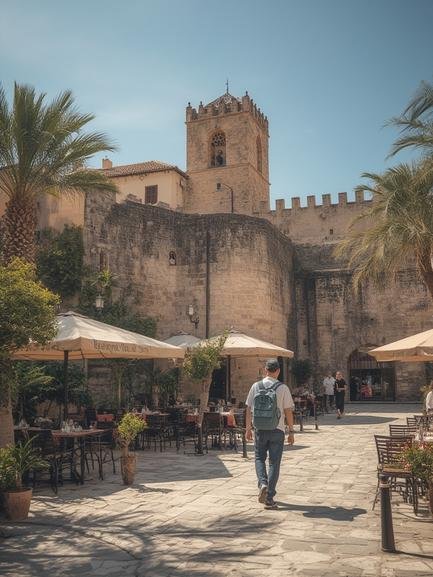
The culinary landscape of Rabat Ville Nouvelle restaurants offers a perfect introduction to contemporary Moroccan cuisine while honoring traditional flavors and techniques. This sophisticated district provides a fascinating counterpoint to the more tourist-oriented eateries of the medina, allowing visitors to experience how modern Moroccans dine and socialize. From casual lunches to elegant dinners, the upscale dining options here showcase the evolution of Moroccan gastronomy in an increasingly cosmopolitan capital. Plan at least two or three dining experiences in this district to fully appreciate the breadth of culinary creativity that makes Rabat an emerging food destination in North Africa. Your taste buds will thank you for the journey.
FAQs
How much should I budget for meals in Rabat Ville Nouvelle?
A typical meal at mid-range restaurants costs 150-250 MAD ($15-25) per person, while high-end establishments can range from 300-500 MAD ($30-50) per person. Budget-friendly options, including lunch specials, are available from 50-100 MAD ($5-10).
Is it necessary to speak French when dining in Rabat?
While many servers at upscale restaurants speak some English, French is widely used for menus and service. Learning basic food-related French phrases is helpful, though restaurant staff are generally accommodating to international visitors.
Are restaurants in Ville Nouvelle open during Ramadan?
Many restaurants in this modern district remain open during Ramadan, especially those catering to tourists and international residents. However, hours may be adjusted, with some places closed during the day and offering special iftar (breaking of the fast) menus in the evening.
Is it customary to tip in Rabat restaurants?
Tipping is appreciated but not obligatory. For good service, 5-10% of the bill is standard in mid-range to upscale restaurants. Some establishments include a service charge, so check your bill before adding extra.
Are vegetarian and vegan options available in Ville Nouvelle restaurants?
Yes, vegetarian options are increasingly common, especially in more modern establishments. Traditional Moroccan cuisine includes many vegetable-based dishes, and contemporary restaurants often offer dedicated vegetarian menus or can modify dishes upon request. Vegan options are more limited but available at health-conscious and international restaurants.