
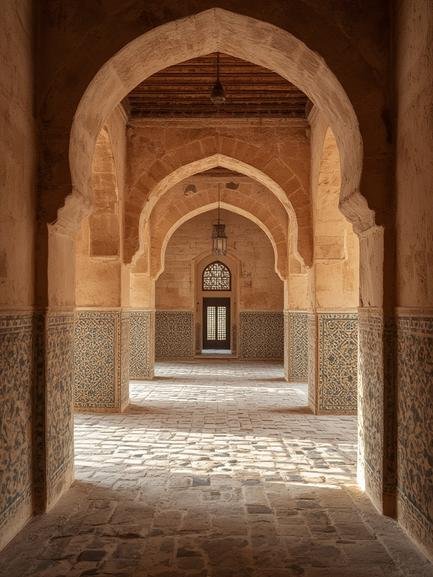


Welcome to Morocco’s captivating capital, where old meets new in a harmonious blend of culture and architecture. Rabat Ville Nouvelle (New City) stands in striking contrast to the ancient medina, representing Morocco’s colonial past and its journey into modernity. Created during the French Protectorate era, this district showcases wide avenues, organized urban planning, and a distinctive mix of Art Deco, Neo-Moorish, and Moroccan architecture.
For visitors seeking to understand Rabat beyond its medieval walls, the Ville Nouvelle offers a fascinating glimpse into the country’s more recent history while providing comfortable amenities for modern travelers.
History & Cultural Background

The story of Rabat’s New City begins in 1912 when Morocco became a French protectorate. Under Resident-General Hubert Lyautey’s direction, French urban planners, led by architect Henri Prost, designed a modern European-style city adjacent to the traditional medina. Their vision was to create a dual-city concept: preserving the historic medina while building a new administrative center that would showcase French power and “modern civilization.”
The district was deliberately planned with wide boulevards, public gardens, government buildings, and residential areas. Unlike the organic growth of the medina, Ville Nouvelle followed a strict grid pattern with designated zones for different functions. Construction boomed during the 1920s-1940s, producing many of the Art Deco and Neo-Moorish buildings that still characterize the area today.
After Morocco gained independence in 1956, Rabat Ville Nouvelle transitioned from a colonial administrative hub to the heart of the sovereign nation’s capital, housing ministries, embassies, and government institutions. This transformation reflects Morocco’s ability to repurpose colonial infrastructure while establishing its own national identity.
Architectural Highlights & Key Features
The architecture of Ville Nouvelle tells the story of Morocco’s colonial period through its distinctive buildings:
– Avenue Mohammed V: The main boulevard, lined with administrative buildings, showcases the Neo-Moorish style that combines French Art Deco with traditional Moroccan elements.
– Post Office Building: A stunning example of Moorish-Deco fusion architecture with its ornate façade, horseshoe arches, and zellige tilework.
– Bank Al-Maghrib: Features impressive columns and traditional Moroccan motifs integrated into a European-style building.
– Parliament Building: Represents post-independence architecture while maintaining harmony with the district’s established aesthetic.
– Cathedral of Saint Pierre: A modernist Catholic church built during the Protectorate period, featuring clean lines and minimal ornamentation.
What makes these structures unique is their successful blending of European architectural principles with Moroccan decorative elements—arches, geometric patterns, courtyards, and ornate detailing—creating a distinctive colonial-era style that differs from both purely European and traditional Moroccan buildings.
Best Time to Visit & Practical Information
Optimal Seasons:
– Spring (April-May) and fall (September-October) offer pleasant temperatures between 65-75°F (18-24°C)
– Winter (November-March) provides comfortable daytime temperatures but can be chilly in evenings
– Summer (June-August) can be hot, often exceeding 85°F (30°C)
Visiting Hours:
– The district itself is accessible 24/7, as it’s a public urban area
– Government buildings are generally open weekdays 8:30 AM-4:30 PM
– Most shops operate 9 AM-7 PM, with some closing during midday (approximately 12-3 PM)
– Restaurants typically serve until 11 PM
Transportation:
– Tram lines connect Ville Nouvelle to other parts of Rabat
– Petit taxis (blue in Rabat) are abundant and affordable
– Major sites within Ville Nouvelle are walkable
– Parking can be challenging; consider public transportation
Dress Code:
While Ville Nouvelle is more relaxed than traditional areas, modest dress is still appreciated. Covered shoulders and knees is a good general rule, especially when visiting government buildings or religious sites.
Step-by-Step Exploration Guide
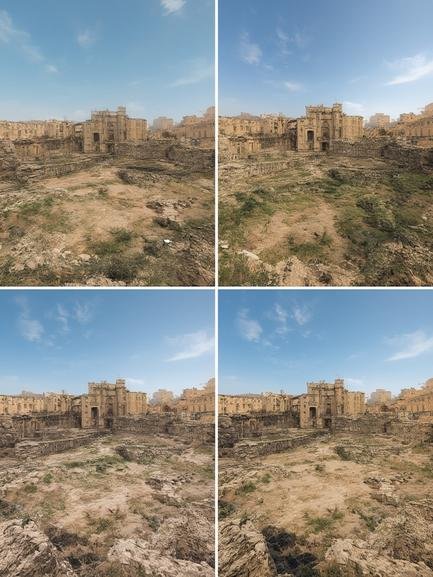
Morning Route: Administrative Heart (2-3 hours)
1. Begin at Place de la Gare near the central train station, a good orientation point for Rabat Ville Nouvelle
2. Walk down Avenue Mohammed V, observing the colonial architecture and Moroccan architecture fusion
3. Stop at Parliament Square for photos of the impressive government buildings
4. Visit the Central Post Office to admire its detailed interior and exterior designs
5. Continue to Bank Al-Maghrib to see its impressive façade
6. End the morning at Nouzhat Hassan Gardens for a peaceful break
Afternoon Route: Cultural Exploration (2-3 hours)
7. Have lunch at one of the cafés near Place Pietri
8. Visit the National Library if interested in Moroccan literature and history
9. Explore Saint Pierre Cathedral for its unique modernist design
10. Wander through the shopping district along Avenue Mohammed V and Avenue Allal Ben Abdellah
11. End at Place 16 Novembre, a lively square with cafés and people-watching opportunities
Photography Tip: The best light for photographing the Art Deco buildings is during the “golden hour” just before sunset, when the warm light accentuates the details and colors of the facades.
Nearby Attractions, Food & Accommodation
Nearby Attractions:
– Rabat Medina (10-minute walk)—for traditional crafts and atmosphere
– Kasbah of the Udayas (20-minute walk)—for stunning ocean views and Andalusian gardens
– Hassan Tower and Mausoleum of Mohammed V (15-minute walk)—for historical significance
– Chellah Necropolis (short taxi ride)—for ancient Roman and Islamic ruins
Dining Options:
– Budget: Café La Renaissance for pastries and coffee; street food vendors along Avenue Mohammed V
– Mid-range: Le Petit Beur for traditional Moroccan cuisine; Yamal Acham for excellent Syrian food
– Upscale: Le Dhow for riverside dining; La Maison du Gourmet for French-Moroccan fusion
Accommodation:
– Budget: Hotel Terminus; Riad Meftaha
– Mid-range: Ibis Rabat Agdal; Riad Zyo
– Luxury: Sofitel Jardin des Roses; Villa Mandarine
Travel Tips & Common Mistakes to Avoid
Common Mistakes:
– Limiting exploration to the medina only, missing the architectural contrast of Ville Nouvelle
– Visiting government buildings during Friday prayers when many places are closed
– Assuming credit cards are accepted everywhere (carry some cash)
– Ignoring local etiquette regarding dress and photography
Practical Tips:
– Pick up a detailed map at the tourist office near the train station
– Most locals speak French, but basic Arabic greetings are appreciated
– Negotiate taxi fares before getting in or insist on using the meter
– Save shopping for later in the day when many businesses reopen after lunch
– Consider hiring a local guide for deeper architectural and historical insights
– Keep valuables secure, though Ville Nouvelle is generally safe
Conclusion
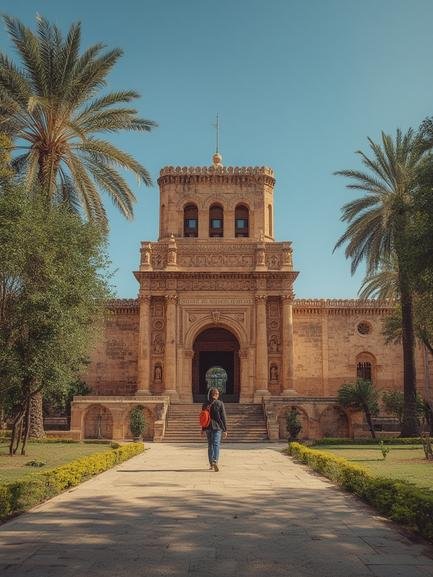
Rabat Ville Nouvelle offers visitors a fascinating counterpoint to Morocco’s ancient cities. Its wide avenues, striking Moroccan architecture, and blend of European and North African influences tell the complex story of a nation’s journey from colonialism to independence and modernity. Unlike the sensory overload of medinas, the New City provides a more relaxed environment to appreciate Morocco’s more recent historical layers and understand how the country has navigated cultural exchange and foreign influence while maintaining its unique identity. When planning your Moroccan itinerary, set aside at least half a day to explore this often-overlooked district—its buildings, gardens, and cafés offer insights into Morocco that the medieval medinas alone cannot provide. Take your time strolling the boulevards, stopping for mint tea, and absorbing the architectural details that make Rabat’s Ville Nouvelle a UNESCO World Heritage site worth experiencing.
FAQs
How safe is Rabat Ville Nouvelle for tourists?
Ville Nouvelle is considered one of the safest areas in Rabat. As a government and business district, it has a significant security presence. Standard travel precautions apply: watch your belongings in crowded areas and avoid deserted streets late at night.
How much time should I allocate for visiting Rabat Ville Nouvelle?
A half-day (4-5 hours) allows for a comprehensive exploration of the main architectural highlights and avenues. Add 2-3 more hours if you want to include shopping or a leisurely meal.
Is photography permitted in Rabat Ville Nouvelle?
Photography is generally allowed in public spaces, but avoid photographing government buildings, security personnel, or military installations. Always ask permission before photographing individuals, especially women.
What’s the best way to get to Ville Nouvelle from the Rabat airport?
The most convenient option is taking an official airport taxi (approximately 150-200 MAD). Alternatively, you can take the train from the airport to Rabat Ville station, which puts you directly at the entrance to Ville Nouvelle.
Are there any dress code requirements for visiting Rabat Ville Nouvelle?
While Ville Nouvelle is more relaxed than traditional areas of the city, modest dress is still appreciated. For government buildings or religious sites, shoulders and knees should be covered. During summer months, light, breathable clothing is recommended while maintaining cultural sensitivity.