

Morocco’s capital city offers a perfect blend of history, culture, and coastal charm that many travelers overlook in favor of more famous destinations like Marrakech or Fez. With the right Rabat travel tips, you can discover an authentic Moroccan experience without overwhelming crowds.
The city’s UNESCO World Heritage status reflects its unique character, combining traditional medina living with French colonial influences and modern urban planning. Whether you’re interested in exploring Rabat historic sites or relaxing along the Atlantic coastline, this comprehensive guide will help you navigate this underrated North African gem.
History & Cultural Background
Founded in the 12th century by the Almohad dynasty, Rabat (meaning “Fortified Place”) has a rich history spanning nearly a millennium. The city rose to prominence when Sultan Muhammad ibn Abdullah built the iconic Kasbah of the Udayas in the 18th century. During the French Protectorate period (1912-1956), Rabat was designated as the administrative capital, a status it maintained after independence.
Today, Rabat represents a unique cultural fusion where Islamic traditions blend with European influences. This is evident in its architecture, cuisine, and social customs. The city’s historical significance earned it UNESCO World Heritage status in 2012, recognizing the harmonious coexistence of its modern and ancient elements.
Architectural Highlights & Key Features
Rabat boasts impressive architectural diversity that tells the story of its evolution through different historical periods:
– Hassan Tower: This incomplete 12th-century minaret stands as a testament to the ambitious vision of Almohad rulers. Only reaching half its intended height, it still dominates the skyline alongside the Mausoleum of Mohammed V.
– Kasbah of the Udayas: This fortified medieval citadel features stunning blue and white Andalusian architecture. Its ornate gate, tranquil Andalusian gardens, and spectacular views of the Bou Regreg River make it a must-visit.
– Chellah Necropolis: This remarkable site layers Roman ruins beneath medieval Islamic structures, creating a fascinating archaeological palimpsest surrounded by lush gardens.
– Royal Palace: While closed to the public, its exterior showcases exquisite craftsmanship with ornate gates and impressive guards in traditional attire.
– Mohammed VI Museum of Modern Art: This striking contemporary building houses Morocco’s most significant collection of modern art, representing the city’s forward-looking cultural ambitions.
Best Time to Visit & Practical Information
Climate and Seasons
Rabat enjoys a mild Mediterranean climate, making it pleasant year-round:
– Spring (March-May): Ideal conditions with warm days, cool evenings, and blooming gardens.
– Summer (June-August): Hot but moderated by Atlantic breezes, with temperatures between 25-30°C (77-86°F).
– Fall (September-November): Comfortable temperatures and fewer tourists.
– Winter (December-February): Mild with occasional rain, temperatures rarely dropping below 8°C (46°F).
Practical Details
– Currency: Moroccan Dirham (MAD). Credit cards are widely accepted in hotels and upscale restaurants, but cash is preferred in the medina and smaller establishments.
– Language: Arabic and French are the primary languages. English is increasingly common in tourist areas.
– Transportation: The city has an efficient tram system connecting major points of interest. Petit taxis (blue in Rabat) operate on meters and are affordable.
– Dress Code: While Rabat is relatively progressive, modest dress is appreciated, especially when visiting religious sites.
Step-by-Step Exploration Guide
Day 1: Historic Rabat
1. Morning: Begin at the Kasbah of the Udayas. Arrive early (around 9 am) to beat the crowds and capture stunning photographs of its blue-washed streets. Follow savvy Rabat travel tips from locals who recommend visiting the Moorish Café at the Kasbah’s garden for mint tea with panoramic river views.
2. Mid-morning: Walk along the waterfront to Hassan Tower and the Mausoleum of Mohammed V. Take time to observe the intricate craftsmanship and pay respects at this important national monument. The site is particularly photogenic around midday when the light illuminates the tower’s reddish stones.
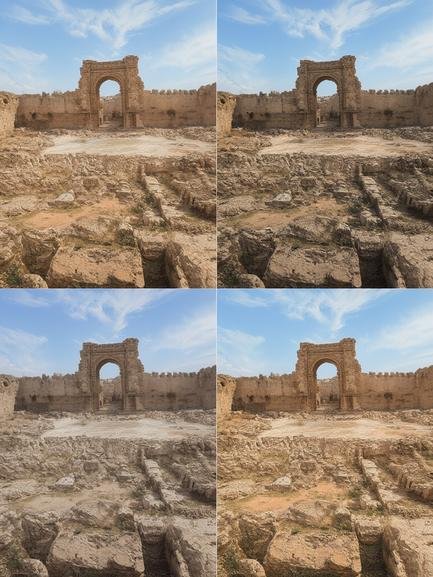
3. Afternoon: Explore the Rabat historic sites within the Archaeological Museum to understand the region’s pre-Islamic heritage before heading to Chellah Necropolis. The storks nesting atop the ancient ruins create a magical atmosphere, especially in the golden afternoon light.
Day 2: Contemporary Rabat
1. Morning: Visit the Mohammed VI Museum of Modern Art to appreciate Morocco’s contemporary cultural scene.
2. Afternoon: Stroll through the well-preserved medina, smaller and less overwhelming than those in other Moroccan cities. The Rue des Consuls is known for traditional crafts including carpets and leather goods.
3. Evening: Enjoy sunset at Rabat Beach (Plage de Rabat) followed by dinner at one of the seafood restaurants along Avenue Mohammed V.
Nearby Attractions, Food & Accommodation
Beyond Rabat
– Salé: Rabat’s sister city across the river offers an authentic medina experience with fewer tourists.
– Témara Beach: A beautiful stretch of Atlantic coastline just 15 minutes south of Rabat.
– Kenitra: Known for its bird sanctuary and wetlands, ideal for nature lovers.
Culinary Experiences
– High-end: Dinarjat (traditional Moroccan in a restored riad)
– Mid-range: Le Dhow (restaurant on a boat with Andalusian-Moroccan fusion)
– Budget-friendly: Restaurant Dar El Medina (authentic local cuisine at reasonable prices)
Where to Stay
– Luxury: Sofitel Rabat Jardin des Roses or Villa Mandarine
– Mid-range: Riad Kalaa or Dar El Kébira
– Budget: Medina Hostel or Hotel de Paris
Travel Tips & Common Mistakes to Avoid
Smart Planning
– Local SIM Card: Purchase an inexpensive local SIM card upon arrival for maps and translation apps.
– City Navigation: Download offline maps before your trip, as signal can be unreliable in the medina.
– Friday Awareness: Many sites close for Friday prayers from 11 am to 3 pm.
Common Mistakes
– Ignoring Rabat for Marrakech: Many travelers bypass Rabat completely, missing its authentic charm and fewer crowds.
– Over-negotiating: While bargaining is expected in markets, remember that a few dirhams make little difference to you but can be significant to local vendors.
– Rushing the Visit: Allocate at least two full days to properly experience the city.
– Photography Etiquette: Always ask permission before photographing locals, especially women and children.
Conclusion
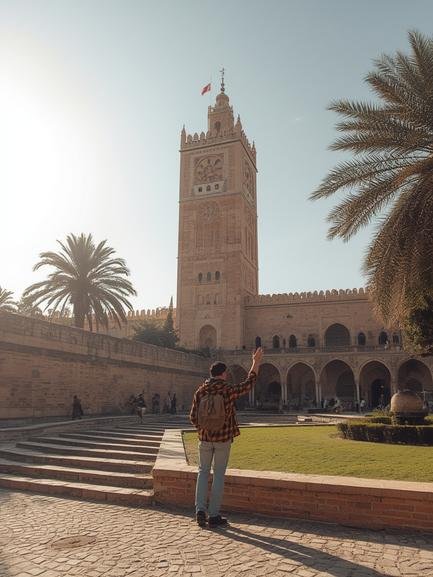
Rabat offers a refreshing alternative to Morocco’s more tourist-heavy destinations, rewarding visitors with authentic cultural experiences, stunning architecture, and Atlantic coastal charm. Following these Rabat travel tips will help you discover the city’s perfect balance of historical depth and modern vitality. The capital’s walkable size makes it ideal for travelers who want to experience Morocco’s rich heritage without the sensory overload of larger cities. From the haunting beauty of abandoned monuments to the vibrant energy of its contemporary art scene, Rabat historic sites offer countless opportunities for cultural immersion. Plan your visit to this underappreciated gem and discover why Morocco’s capital deserves a prominent place on your North African itinerary.
FAQs
How many days should I spend in Rabat?
Two to three days is ideal for exploring Rabat’s main attractions without rushing. Add an extra day if you plan to take day trips to nearby locations like Salé or Témara Beach.
Is Rabat safe for tourists?
Rabat is generally considered one of the safest cities in Morocco. Standard travel precautions apply: be aware of your belongings in crowded areas and avoid isolated places after dark.
What is the best way to get around Rabat?
The city’s efficient tram system connects most major attractions. For other destinations, blue petit taxis are affordable and operate on meters. The central areas are also quite walkable.
Do I need a guide in Rabat?
Unlike more complex medinas like Fez, Rabat’s medina is relatively straightforward to navigate independently. However, a guide can provide valuable historical and cultural context for sites like Chellah Necropolis and Hassan Tower.
What should women travelers know about visiting Rabat?
Rabat is more progressive than many other Moroccan cities, but modest dress is still appreciated. Women travelers generally report feeling comfortable, especially in the Ville Nouvelle and tourist areas.