


Planning a trip to Morocco’s captivating capital? Understanding the Rabat travel essentials will ensure your visit is smooth, enjoyable, and culturally enriching. As Morocco’s political and administrative heart, Rabat offers a fascinating blend of modern amenities and ancient heritage that distinguishes it from other Moroccan tourist destinations.
Whether you’re wandering through the labyrinthine streets of the old medina or admiring the contemporary architecture along the Bouregreg River, being prepared with the right information will transform your Rabat experience from good to unforgettable.
History & Cultural Background
Rabat’s story begins in the 12th century when the Almohad ruler Abd al-Mu’min established a fortress called Ribat al-Fath (Fortress of Victory). The city gained prominence in 1912 when the French established Morocco’s administrative capital here, rather than in more traditional centers like Fez or Marrakech.
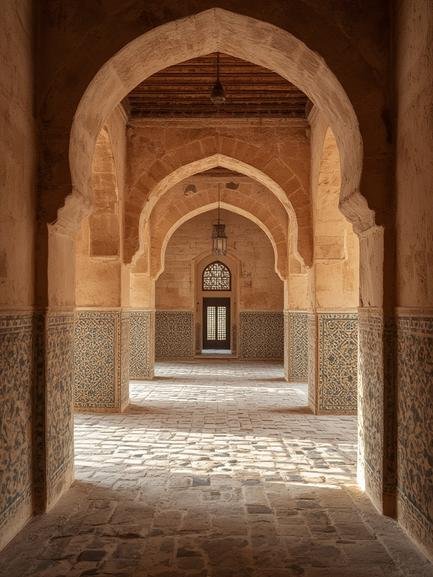
Today’s Rabat reflects this layered history through its diverse architectural landscape. The city earned UNESCO World Heritage status in 2012 for its unique blend of historic and modern urban planning, showcasing both Islamic and French-colonial influences. This cultural fusion is evident everywhere, from the ancient Kasbah of the Udayas overlooking the Atlantic to the wide, tree-lined boulevards of the Ville Nouvelle (New City).
Architectural Highlights & Key Features
Rabat’s architectural landscape is a compelling mix of ancient and modern:
– Hassan Tower and Mausoleum of Mohammed V: The incomplete 12th-century minaret of Hassan Tower stands beside the ornate mausoleum of Morocco’s former king, creating a powerful juxtaposition of ancient and modern Islamic architecture.
– Kasbah of the Udayas: This blue-and-white painted fortress district offers stunning ocean views and houses the oldest mosque in Rabat, along with the picturesque Andalusian Gardens.
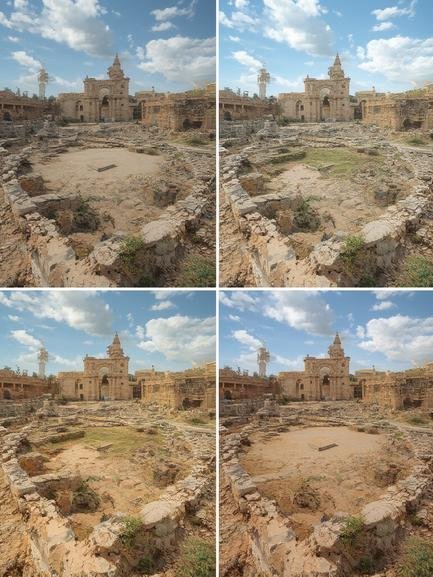
– Chellah Necropolis: This fascinating site layers Roman ruins beneath medieval Islamic structures, surrounded by lush gardens frequented by storks.
– Royal Palace: While the interior isn’t open to visitors, the impressive exterior and ceremonial guards are worth seeing.
– Mohammed VI Museum of Modern and Contemporary Art: This striking modern building houses Morocco’s first major modern art museum, showcasing the country’s artistic evolution.
Best Time to Visit & Practical Information
Ideal Seasons: Spring (April-May) and fall (September-October) offer the most pleasant temperatures, avoiding both summer heat (June-August) and winter rains (November-February).
Currency: The Moroccan Dirham (MAD) is the local currency. While major hotels and restaurants accept credit cards, smaller establishments and souks typically require cash.
Transportation:
– Rabat-Salé Airport connects to major European cities
– Train service links Rabat to Casablanca, Fez, Tangier, and Marrakech
– Local transportation includes trams, petit taxis (blue in Rabat), and grand taxis
Language: Arabic and French are the primary languages. Basic French phrases are helpful, though English is increasingly spoken in tourist areas.
Dress Code: Morocco is a Muslim country. While Rabat is fairly cosmopolitan, modest dress is appreciated, especially when visiting religious sites or traditional neighborhoods.
Step-by-Step Exploration Guide
A perfect 2-day exploration of Rabat:
Day 1: Historic Rabat
1. Begin at the Kasbah of the Udayas in the morning for the best light and fewer crowds
2. Stroll through the Andalusian Gardens within the Kasbah
3. Visit the Hassan Tower and Mausoleum of Mohammed V complex
4. Explore the Old Medina, stopping for lunch at a traditional restaurant
5. Spend the afternoon at Chellah Necropolis
Day 2: Modern Rabat
1. Start with the Royal Palace exterior and grounds
2. Visit the Mohammed VI Museum of Modern Art
3. Explore the Ville Nouvelle and its French architecture
4. Take a walk along the Bouregreg River and cross to Salé if time permits
5. End with sunset at Rabat Beach
Understanding the Rabat travel essentials includes knowing that most historic sites close by 6 PM, and many museums are closed on Mondays. The city’s layout makes it possible to explore many Moroccan tourist destinations within Rabat on foot, though taxis are affordable for longer distances.
Nearby Attractions, Food & Accommodation
Nearby Day Trips:
– Salé: Just across the river, with its Great Mosque and Medersa
– Casablanca: 1 hour by train
– Meknes and Volubilis: 2-3 hours by train/car
Food Recommendations:
– Budget: Street food in the medina; Café Maure in the Kasbah
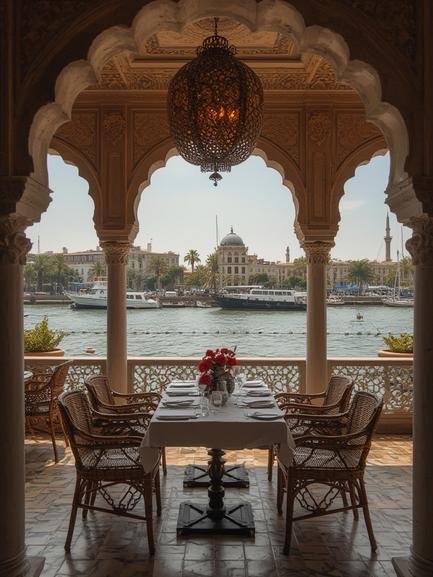
– Mid-range: Dar Naji for traditional Moroccan; Le Dhow floating restaurant
– High-end: La Maison du Gourmet; Le Ziryab
Accommodation:
– Budget: Riad Marhaba; Medina Hostel
– Mid-range: Riad Kalaa; Dar El Kébira
– Luxury: Sofitel Rabat Jardin des Roses; Villa Mandarine
Travel Tips & Common Mistakes to Avoid
Common Mistakes:
– Visiting only the tourist sites without exploring residential neighborhoods
– Not negotiating taxi fares before entering the vehicle
– Underestimating the conservative nature of certain areas
– Attempting to see everything in a rushed day trip from Casablanca
Smart Tips:
– The city is generally safe, but remain alert in crowded areas
– Carry small denominations of dirhams for taxis and small purchases
– Download offline maps before arrival
– Learn basic greetings in Arabic or French
– Respect prayer times when planning visits to religious sites
– Stay hydrated, especially during summer months
Conclusion
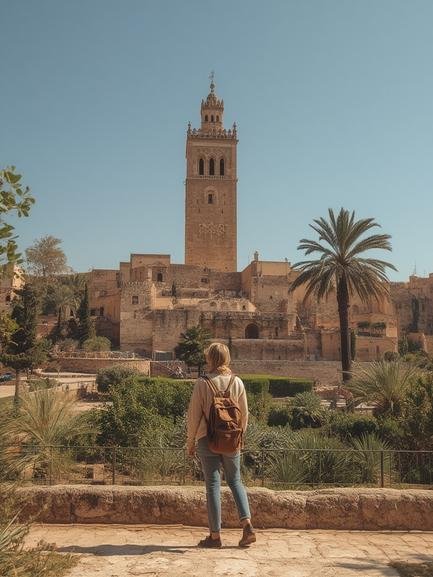
Mastering the Rabat travel essentials will transform your visit to Morocco’s capital from a standard sightseeing trip into an immersive cultural experience. Unlike the tourist-heavy atmosphere of Marrakech or Fez, Rabat offers a more authentic glimpse into contemporary Moroccan life while still preserving its rich heritage. With its relaxed pace, coastal location, and mix of ancient and modern attractions, Rabat deserves more than just a passing visit on your Moroccan tourist destinations itinerary. Take the time to wander without an agenda, sample the local cuisine, and engage with locals – these unplanned moments often become the most treasured memories of your Moroccan adventure.
FAQs
How many days should I spend in Rabat?
While you can see the major attractions in one full day, 2-3 days allows for a more relaxed pace and the chance to experience the city beyond the tourist sites.
Is Rabat safe for tourists?
Yes, Rabat is considered one of the safest Moroccan cities for tourists. As in any city, exercise normal precautions regarding valuables and be extra vigilant in crowded areas.
Do I need a guide in Rabat?
Unlike Fez or Marrakech, Rabat’s major sites are relatively straightforward to navigate independently. However, a guide can provide valuable historical and cultural context.
What should women wear when visiting Rabat?
Women should dress modestly, covering shoulders and knees. A light scarf is useful for visiting religious sites. Rabat is more cosmopolitan than some Moroccan cities, but respectful dress is still appreciated.
Can I drink tap water in Rabat?
While locals often drink the tap water, visitors should stick to bottled water to avoid stomach issues. Ensure bottles are sealed when purchased.