


Wondering how to get around Morocco’s elegant capital city efficiently? Rabat transportation offers visitors a blend of modern convenience and traditional options that make exploring this historic royal city both accessible and enjoyable. As the political and cultural heart of Morocco, Rabat deserves thorough exploration, and understanding its public transit system is essential for any traveler hoping to maximize their time in this UNESCO World Heritage destination.
From the ancient Kasbah of the Udayas to the modern Bouregreg Marina, having a clear understanding of your transportation options will transform your Rabat experience from good to unforgettable.
History & Cultural Background

Rabat’s transportation infrastructure reflects the city’s fascinating evolution from a 12th-century fortress to a colonial-era planned city to today’s modern capital. The city’s original design featured narrow medina streets meant for foot traffic and horse-drawn carriages, with the French colonial period (1912-1956) bringing the first modern roadways and public transportation networks. This era saw the introduction of a tramway system that was later discontinued, only to be reborn in 2011 as part of Morocco’s commitment to sustainable urban development.
What makes Rabat’s transportation system culturally significant is how it connects ancient and modern sectors of the city. The current tram system, for example, was carefully designed to complement the city’s historical character while providing efficient connections between Rabat’s administrative center, historic medina, and residential neighborhoods. This balance between preserving heritage and embracing progress is symbolic of Morocco’s broader approach to development.
Architectural Highlights & Key Features
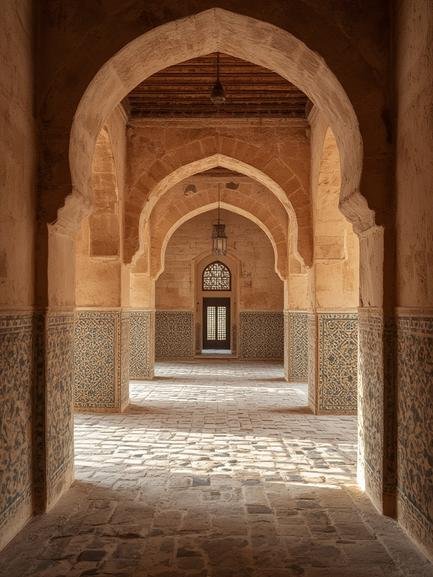
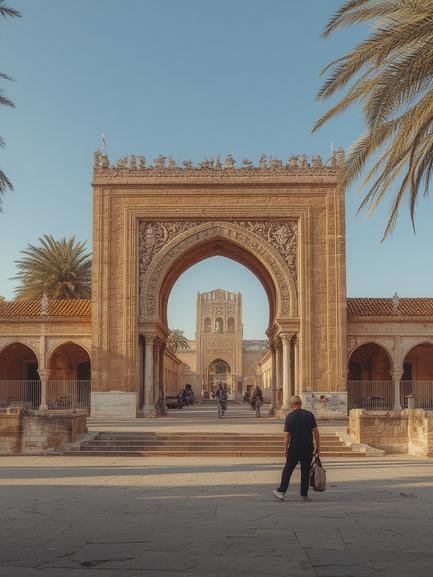
Rabat’s transportation infrastructure includes several architecturally noteworthy elements. The Rabat-Ville Train Station stands as an impressive example of modern Moroccan design, featuring grand arches, traditional geometric patterns, and contemporary amenities. Its façade harmonizes Islamic architectural elements with modern functionality, creating a gateway that welcomes visitors to the capital.
The city’s tramway stations deserve special mention for their contemporary design that incorporates traditional Moroccan motifs. Each station features distinct architectural elements while maintaining a cohesive visual identity throughout the network. The platforms are covered with canopies inspired by traditional Moroccan woodwork, providing shade while referencing the country’s artistic heritage.
Another architectural highlight is the Mohammed VI Bridge, which not only serves as a crucial transportation link but also stands as an engineering marvel with its elegant cable-stayed design spanning the Bouregreg River. This structure has become an iconic part of the city’s skyline, especially when illuminated at night.
Best Time to Visit & Practical Information
Rabat enjoys a Mediterranean climate, making spring (March to May) and fall (September to November) the ideal seasons to explore the city using public transportation. Summer months can be quite warm, especially when waiting for buses or walking between stations, while winter brings occasional rain that might disrupt outdoor transit plans.
For the tram system, services run from 6:00 AM to 10:30 PM daily, with trams arriving approximately every 8-10 minutes during peak hours and 15-20 minutes during off-peak times. A single journey costs 6 dirhams (approximately $0.60 USD), while day passes are available for 15 dirhams (about $1.50 USD).
Taxis operate 24/7 throughout the city, with petit taxis (small, blue vehicles) charging by meter for intra-city travel. The base fare starts at around 7 dirhams with additional charges per kilometer. For travel between Rabat and neighboring cities like Salé or Temara, grand taxis (larger, white vehicles) operate on fixed routes with set prices.
When using public transportation, modest dress is recommended out of respect for local customs, though there’s no strict dress code for transit systems.
Step-by-Step Exploration Guide
A perfect day exploring Rabat using its transportation network might look like this:
1. Morning: Start at the Rabat-Ville train station, a convenient arrival point if you’re coming from Casablanca or other Moroccan cities. From here, catch Tram Line 2 to the Bab Chellah stop.
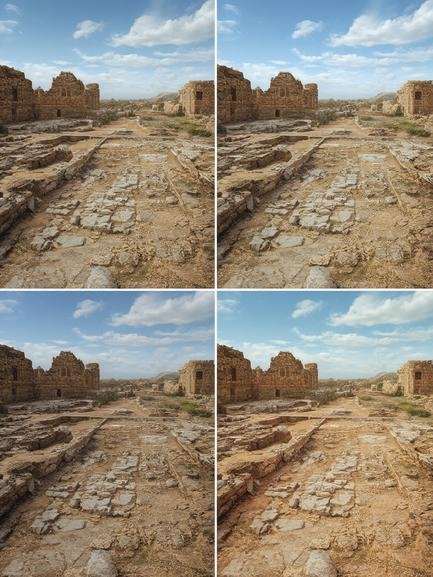
2. Mid-morning: Explore the Chellah, an ancient Roman and medieval Islamic site. After your visit, walk 10 minutes to Hassan Tower and the Mohammed V Mausoleum.
3. Lunchtime: Take Tram Line 2 from Hassan station to Medina station to explore the old city and enjoy lunch at one of the traditional restaurants.
4. Afternoon: From the medina, use Rabat transportation options by hailing a petit taxi to the Kasbah of the Udayas (approximately 15 dirhams). The Kasbah offers stunning ocean views and houses the beautiful Andalusian Garden.
5. Evening: From the Kasbah, walk down to the Bouregreg Marina and take Tram Line 1 from Bab El Had to the modern district of Agdal, where you’ll find excellent dining options and public transit system connections to other parts of the city.
This route covers Rabat’s major historical sites while efficiently using the city’s transportation network to minimize walking distances between distant attractions.
Nearby Attractions, Food & Accommodation
While exploring Rabat using its transportation system, several notable sites are conveniently accessible:
Attractions near transit routes:
– The Contemporary Art Museum (walkable from Bab Rouah tram stop)
– Royal Palace (accessible via petit taxi from any tram station)
– Oudaias Museum (within the Kasbah complex)
Recommended restaurants accessible by public transport:
– Dinarjat (traditional Moroccan cuisine, near Bab El Had tram stop)
– Le Dhow (restaurant on a boat at Bouregreg Marina, walkable from Bab El Bahr tram stop)
– Ty Potes (French cuisine in Agdal neighborhood, near Agdal tram station)
Accommodation options with good transport connections:
– Hotel Sofitel Jardin des Roses (luxury option with taxi service)
– Riad Zyo (boutique hotel in the medina, walkable from Medina tram stop)
– Ibis Rabat Agdal (budget-friendly option near Agdal tram station)
Travel Tips & Common Mistakes to Avoid
Common transportation mistakes in Rabat:
1. Not validating tram tickets: Always validate your ticket at the machines on platforms before boarding to avoid fines.
2. Assuming taxis always use meters: While they should, some drivers may try to negotiate fixed prices with tourists. Insist on using the meter or agree on a price before starting your journey.
3. Missing the last tram: Service ends at 10:30 PM. Plan evening activities accordingly, or be prepared to take taxis back to your accommodation.
4. Boarding overcrowded buses: During rush hours, buses can become extremely crowded. Consider timing your travel outside peak hours (7:30-9:00 AM and 5:00-7:00 PM).
5. Not having small change: Tram ticket machines and taxi drivers may not always have change for large bills. Keep small denominations handy.
Insider tips:
– Download the “Tram Rabat-Salé” app for real-time schedules and route planning
– Purchase a rechargeable tram card if staying for multiple days
– Learn basic Arabic transportation phrases to communicate with drivers
Conclusion
Rabat transportation offers the perfect balance of efficiency, affordability, and accessibility that allows visitors to experience the full spectrum of Morocco’s capital city. From ancient Roman ruins to medieval Islamic monuments to French colonial architecture and contemporary Moroccan design, Rabat’s transit system connects these diverse elements into a cohesive and manageable travel experience. Whether you’re a history enthusiast, architecture lover, or culinary explorer, understanding and utilizing the city’s transportation network will enhance your visit immeasurably. With its expanding public transit system, Rabat continues to become an increasingly accessible destination that deserves a prominent place on any Moroccan itinerary.
FAQs
How much does public transportation cost in Rabat?
A single tram journey costs 6 dirhams (about $0.60 USD), with day passes available for 15 dirhams. Petit taxi fares start at 7 dirhams plus approximately 2-3 dirhams per kilometer. Bus fares typically range from 4 to 5 dirhams depending on the distance.
Is Rabat’s transportation system accessible for travelers with disabilities?
The tram system is largely accessible with ramps at stations and designated spaces for wheelchairs on trams. However, buses and the medina area present more challenges. Specialized taxis for disabled travelers can be arranged through hotels or tourism offices.
How do I travel between Rabat and Salé?
The two cities are connected by tram lines crossing the Bouregreg River, making this a convenient and scenic connection. Grand taxis also run between the cities for approximately 10 dirhams per person in shared service.
Is it safe to use public transportation at night in Rabat?
Rabat is generally considered one of the safest cities in Morocco. The tram is safe to use until the end of service at 10:30 PM. For later travel, petit taxis are recommended, particularly for women traveling alone.
Should I rent a car to explore Rabat?
Unless you’re planning extensive travel outside the city, renting a car is unnecessary and can be complicated due to limited parking and busy traffic. The combination of trams, taxis, and occasional buses provides comprehensive coverage of tourist sites.