
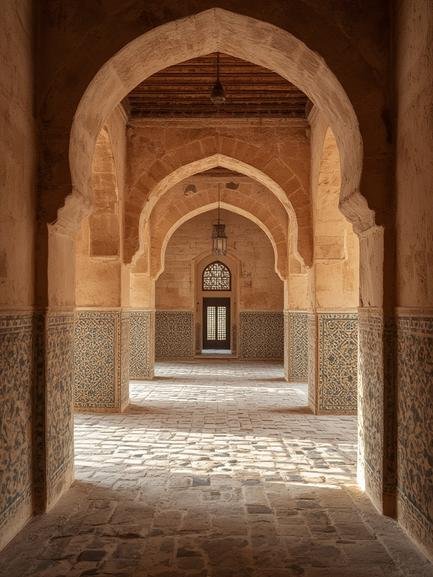


Morocco offers countless cultural treasures, but few journeys combine the country’s imperial present with its ancient past quite like the Rabat to Volubilis excursion. This captivating day trip takes travelers from the sophisticated streets of Morocco’s capital to the remarkably preserved ruins of a once-thriving Roman city. For history enthusiasts and photography lovers alike, Volubilis archaeological site represents one of North Africa’s most impressive Roman remains, showcasing intricate mosaics, grand columns, and architectural marvels dating back to the 3rd century BCE.
Whether you’re a dedicated history buff or simply seeking an enriching cultural experience beyond the bustling medinas, this journey promises a fascinating glimpse into Morocco’s multilayered past.
History & Cultural Background
Volubilis (known as Walili in Arabic) was established as a Phoenician settlement before becoming a thriving Roman provincial capital around 25 BCE. At its peak in the 2nd and 3rd centuries, the city housed up to 20,000 residents and served as the administrative center of Mauritania Tingitana, Rome’s westernmost African province. The fertile lands surrounding Volubilis made it an important agricultural hub, particularly for olive oil production, which fueled its prosperity.
Unlike many Roman cities, Volubilis continued to thrive even after Rome’s power waned, remaining inhabited through the Islamic period until the 18th century when much of its marble was stripped away to build palaces in nearby Meknes. This long continuous habitation contributes to the site’s archaeological significance, providing insights into multiple eras of North African history. UNESCO recognized Volubilis as a World Heritage Site in 1997, cementing its status as one of Morocco’s most important historical treasures.
Architectural Highlights & Key Features
The sprawling 42-hectare archaeological site offers numerous architectural marvels that showcase Roman engineering and artistic brilliance:
– Triumphal Arch of Caracalla: Built in 217 CE, this magnificent arch marks the end of the main street (decumanus maximus) and commemorates Emperor Caracalla.
– Capitoline Temple: Dedicated to the Roman trinity of Jupiter, Juno, and Minerva, this impressive structure once dominated the city’s forum.
– House of Orpheus: One of the most luxurious residences featuring extraordinary floor mosaics depicting Orpheus charming animals with his lyre.
– Basilica: The city’s judicial and commercial center featuring a series of columns that still stand impressively against the sky.
– Mosaics: Volubilis is particularly renowned for its exceptionally preserved mosaic floors, depicting mythological scenes, daily life, and wild animals with remarkable artistry.
What makes Volubilis truly special is how the layout of an entire Roman city remains visible – from public baths and olive presses to private homes and thoroughfares – offering visitors a rare opportunity to imagine daily life in a distant era.
Best Time to Visit & Practical Information
For the most pleasant experience, plan your visit between March and May or September to November when temperatures are moderate. Summer months (June-August) can be extremely hot with temperatures often exceeding 40°C (104°F), making exploration challenging, especially since there’s limited shade at the site.
Essential Information:
– Opening Hours: 8:30 AM to 5:30 PM (October-March); 8:00 AM to 6:00 PM (April-September)
– Entry Fee: 70 MAD (approximately $7 USD)
– Guided Tours: Available at the entrance for around 200 MAD
– Duration: Allow 2-3 hours to properly explore the site
Transportation Options:
1. Private Driver/Tour: The most convenient option, costing around 1000-1500 MAD for a day trip
2. Public Transport: Take a train from Rabat to Meknes, then a grand taxi to Volubilis
3. Rental Car: Approximately 2.5 hours driving distance, offering flexibility to also visit Meknes or Fez
Wear comfortable walking shoes, a hat, and sunscreen, as the site involves walking on uneven terrain with minimal shade. Bringing water is essential, especially during warmer months.
Step-by-Step Exploration Guide
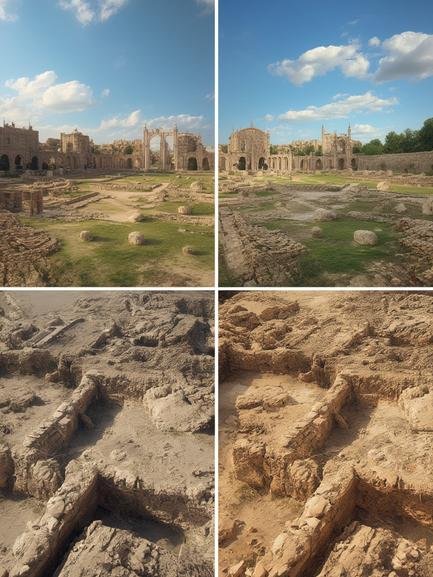
For the most rewarding experience when traveling the Rabat to Volubilis route, follow this logical exploration path through the ancient city. Begin your visit at the small museum near the entrance to gain valuable context before heading to the ruins. Many visitors miss this informative starting point, but it houses noteworthy artifacts and provides essential historical background.
1. Start at the Visitor Center: Pick up a map and consider hiring a local guide who can bring the ruins to life with fascinating stories and context.
2. The Forum: Begin your exploration at the city’s central gathering place, surrounded by the remains of important public buildings.
3. Capitoline Temple: Climb to this elevated structure for excellent views across the entire site and toward the fertile plains that once sustained the city.
4. Basilica: Explore this grand structure where justice was administered and commerce conducted.
5. Decumanus Maximus: Walk along the main street lined with the foundations of shops and wealthy homes.
6. House of Orpheus: Don’t miss the extraordinary mosaics in this elite residence, particularly the famous Orpheus mosaic.
7. Triumphal Arch: Make your way to this iconic structure, which makes for the perfect photo opportunity, especially with the rolling hills in the background.
8. The Volubilis archaeological site northern quarter: Explore the less-visited residential district with additional impressive houses and mosaics.
For photography enthusiasts, the golden hour before sunset bathes the stone in warm light, creating magnificent photo opportunities with the columns silhouetted against the sky. Allow yourself time to sit among the ruins and absorb the atmosphere of this extraordinary place.
Nearby Attractions, Food & Accommodation
While Volubilis itself has no accommodation or restaurants, several excellent options exist in the vicinity:
Nearby Attractions:
– Moulay Idriss: This sacred town just 5km away is visible from Volubilis and makes a natural pairing for your trip
– Meknes: One of Morocco’s imperial cities located 30km from Volubilis, featuring impressive gates, medina, and the Mausoleum of Moulay Ismail
– Fez: About 80km away, this medieval city offers a logical next destination if extending your journey
Where to Eat:
– Dar Zerhoune in Moulay Idriss offers excellent traditional Moroccan meals with panoramic views
– Restaurant Walila near the site entrance provides simple but tasty local food
– Le Patio Bleu in Meknes serves refined Moroccan cuisine in an elegant setting
Accommodation Options:
– Budget: Riad Dar Zidane in Moulay Idriss
– Mid-range: Riad D’Or in Meknes
– Luxury: Hotel Transatlantique in Meknes or return to Rabat’s more upscale options
Most visitors make Volubilis a day trip, but staying overnight in Moulay Idriss allows you to visit the ruins early morning before tour buses arrive.
Travel Tips & Common Mistakes to Avoid
Essential Tips:
– Start early to avoid both crowds and afternoon heat
– Hire a local guide for deeper insights into the site’s history and significance
– Download offline maps before your journey as cellular coverage can be spotty
– Carry cash for entrance fees and small purchases, as card facilities are limited
– Pack a refillable water bottle, snacks, sun protection, and a hat
Common Mistakes:
1. Rushing the visit: Many day-trippers allocate insufficient time, missing the site’s more distant sections
2. Skipping the museum: The small museum contains important artifacts and context
3. Poor timing: Arriving during midday heat makes exploration uncomfortable
4. Missing Moulay Idriss: This nearby sacred town complements the Volubilis experience
5. Inadequate footwear: The site features uneven terrain and requires comfortable walking shoes
If driving yourself, be cautious on the winding roads and aware that signage may be limited. Having a navigation app or GPS is highly recommended.
Conclusion
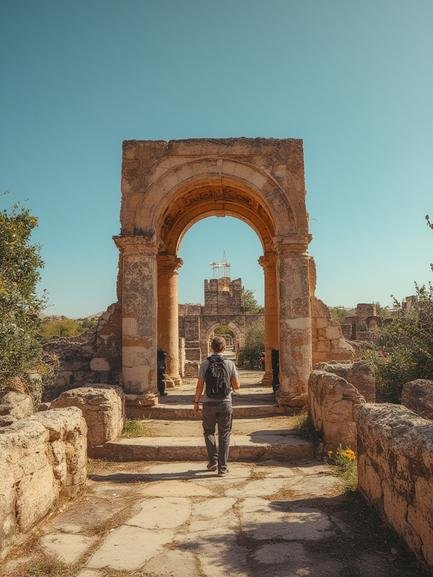
The journey from Rabat to Volubilis offers far more than a simple day trip—it’s a remarkable passage through time that connects Morocco’s present with its ancient past. As you stand among the weathered columns and intricate mosaics of the Volubilis archaeological site, you gain a deeper appreciation for the layers of civilization that have shaped this North African nation. The site’s exceptional preservation allows visitors to walk in the footsteps of Romans, Berbers, and early Islamic settlers, offering a tangible connection to history that few places can match.
Whether you’re captivated by the engineering prowess displayed in the ancient olive presses, the artistic mastery evident in the colorful mosaics, or simply the breathtaking setting against the rolling countryside, Volubilis rewards every visitor with unforgettable experiences. Plan your excursion today and discover why this ancient city stands as one of Morocco’s most treasured historical sites and a highlight of any journey through the country.
FAQs
How long does it take to travel from Rabat to Volubilis?
The journey takes approximately 2.5 hours by car, depending on traffic conditions. If using public transportation, allow 3-4 hours as you’ll need to change in Meknes and take a taxi for the final leg.
Is Volubilis safe to visit?
Yes, Volubilis is a well-managed archaeological site that’s generally very safe for tourists. As with any tourist destination, practice normal precautions with valuables. The greatest danger is actually heat exposure during summer months.
Do I need a guide to visit Volubilis?
While not mandatory, a guide significantly enhances the experience by explaining the historical context and pointing out easily missed details in the mosaics and structures. Official guides are available at the entrance.
Can I visit Volubilis and return to Rabat in one day?
Yes, it’s entirely possible to visit Volubilis as a day trip from Rabat. Many travelers combine it with a brief visit to Meknes or Moulay Idriss for a full day of exploration before returning to Rabat in the evening.
Are there restrictions on photography at Volubilis?
Photography for personal use is permitted throughout the site without restriction. Professional photography or filming may require prior permission from authorities.