
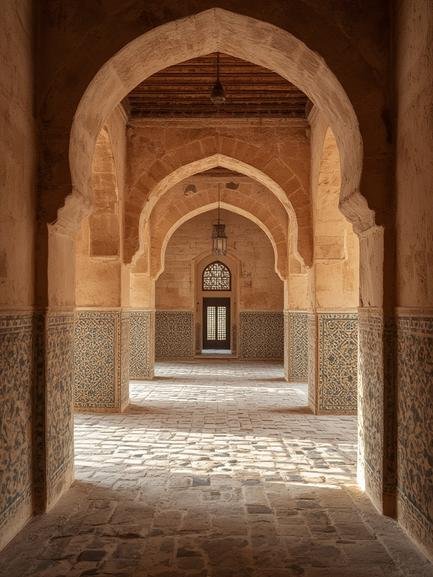


The journey from Rabat to Moulay Idriss represents one of Morocco’s most rewarding day trips, connecting the modern capital with a sacred pilgrimage town nestled in the hills near Meknes. This route allows travelers to experience the striking contrast between Rabat’s contemporary administrative center and Moulay Idriss’s deeply spiritual atmosphere, where Morocco’s first Islamic dynasty began.
For anyone seeking to understand Morocco’s religious heritage and Meknes’s cultural attractions, this journey offers a perfect introduction to the country’s rich historical tapestry, fascinating architectural landmarks, and authentic cultural experiences away from more touristy destinations.
History & Cultural Background
Moulay Idriss Zerhoun (often spelled Moulay Idriss) holds profound importance in Moroccan history as the burial place of Moulay Idriss I, who founded Morocco’s first dynasty in 789 CE. As a descendant of the Prophet Muhammad, his arrival marked the beginning of Islamic influence in Morocco. The town was established around his shrine and became one of the country’s most important pilgrimage sites. Until the mid-20th century, non-Muslims were forbidden from staying overnight in this sacred town.
Meanwhile, Rabat evolved from a military fortress in the 12th century to become Morocco’s capital in 1912 under French colonial rule. This historical contrast makes the journey between these cities particularly fascinating, as travelers witness the evolution of Moroccan identity from ancient religious foundations to contemporary governance.
Architectural Highlights & Key Features
In Moulay Idriss, the most striking feature is the distinctive split-hill layout, with whitewashed buildings cascading down the slopes. The town is dominated by the green-tiled roofs of the mausoleum complex, visible from miles around. While non-Muslims cannot enter the shrine itself, visitors can appreciate its significance from nearby viewpoints.
The town’s unique cylindrical minaret stands out as an architectural marvel, while the main square (Place el-Heddim) serves as the community’s vibrant heart. Narrow, winding streets reveal traditional Moroccan residential architecture with intricate doorways, hidden courtyards, and surprising rooftop views of the surrounding olive groves and countryside.
The journey itself offers views of Morocco’s diverse landscapes, from Rabat’s coastal setting through agricultural plains to the mountainous terrain surrounding Moulay Idriss.
Best Time to Visit & Practical Information
The ideal seasons to make the journey from Rabat to Moulai Idriss are spring (March to May) and fall (September to November), when temperatures are pleasant for exploring. Summer can be extremely hot, especially in inland areas like Moulay Idriss, while winter brings cooler temperatures and occasional rain.
Transportation options include:
– Train from Rabat to Meknes (approximately 2.5 hours, 70-90 MAD)
– Grand taxi or local bus from Meknes to Moulai Idriss (30-45 minutes, 10-30 MAD)
– Private transportation or organized tour (most convenient but pricier option)
– Rental car (offers flexibility to explore surrounding areas)
The town itself can be explored in 2-3 hours, though many travelers combine it with nearby Volubilis for a full-day excursion. Remember that modest dress is expected in this religious town, with shoulders and knees covered for both men and women.
Step-by-Step Exploration Guide
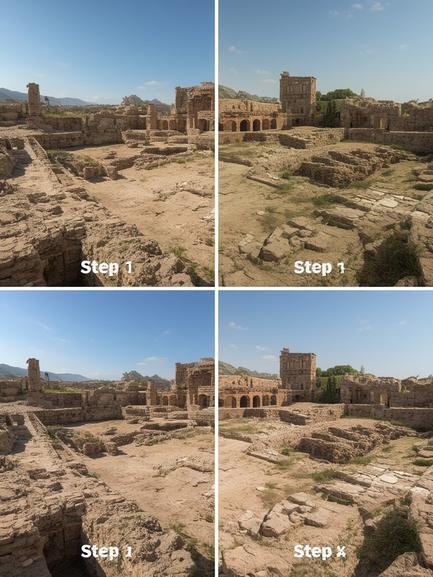
Once you’ve completed the journey from Rabat to Moulai Idriss, follow this exploration route for the best experience:
1. Begin at Place el-Heddim: Start at the main square, where you can orient yourself and observe local life. This is where Meknes’s cultural attractions connect with religious traditions.
2. Walk to the Mausoleum Viewpoint: While non-Muslims cannot enter the shrine, there’s an excellent viewpoint near the northeastern part of town where you can see the impressive complex.
3. Navigate the Old Town: Wander through the labyrinthine streets uphill, discovering small artisan workshops and traditional homes.
4. Climb to the Panoramic Viewpoint: Make your way to the highest accessible point in town for breathtaking views of the surrounding countryside and Volubilis in the distance.
5. Visit the Saturday Souk: If your visit coincides with Saturday, don’t miss the weekly market where local products and crafts are sold.
6. Explore Sentier Pédestre: Take this walking path for spectacular views of the town and surrounding olive groves.
Allow 2-3 hours for this exploration, or combine it with nearby Volubilis (just 4 km away) for a full day of sightseeing.
Nearby Attractions, Food & Accommodation
Nearby Attractions:
– Volubilis Roman Ruins (4 km)—a UNESCO World Heritage site with well-preserved mosaics
– Meknes (25 km)—Imperial city with impressive architecture and less tourist crowds
– Fez (60 km)—Medieval medina and cultural capital of Morocco
Food Options:
– Restaurant Scorpion—Offers traditional Moroccan dishes with a rooftop terrace
– Café des Aromes – Simple local food at reasonable prices
– Street food vendors selling olives, fresh bread, and local specialties
Accommodation:
– Dar Zerhoune—Charming guesthouse with rooftop terrace
– Hotel Grand Moulay Idriss—Basic but comfortable central option
– Volubilis Inn—Located between Moulay Idriss and Volubilis with restaurant
Many visitors choose to base themselves in Meknes or Fez, making Moulay Idriss a day trip.
Travel Tips & Common Mistakes to Avoid
Practical Tips:
– Start your journey early to maximize daylight hours for exploration
– Combine Moulay Idriss with Volubilis for an efficient day trip
– Bring cash as ATMs are limited in the town
– Wear comfortable walking shoes for the hilly terrain
– Respect religious customs by dressing modestly
Common Mistakes:
– Attempting to enter the mausoleum as a non-Muslim
– Visiting only Moulay Idriss without seeing nearby Volubilis
– Not checking train schedules in advance, especially on weekends
– Underestimating the summer heat when planning exploration
– Missing the spectacular sunset views from the town’s upper levels
Conclusion
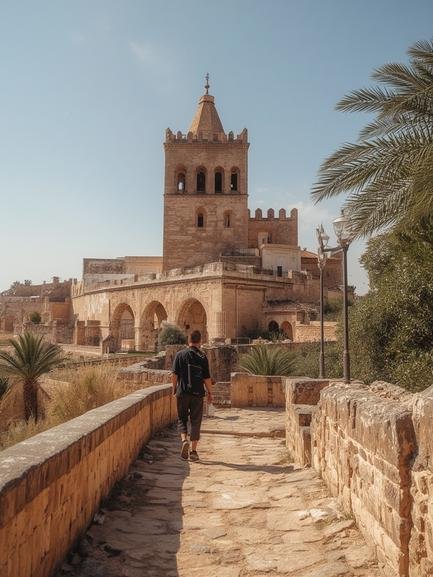
The journey from Rabat to Moulay Idriss offers far more than a simple transportation experience—it’s a passage through Morocco’s historical, religious, and cultural evolution. From the administrative capital to a town where Morocco’s first Islamic dynasty began, this route provides context for understanding the nation’s complex identity. The sacred atmosphere of Moulay Idriss, combined with its spectacular hillside setting and proximity to ancient Volubilis, makes it an essential destination for travelers seeking authentic Meknes cultural attractions. Whether you’re a history enthusiast, architecture lover, or simply seeking to experience Morocco beyond its major cities, this journey rewards you with insights and memories that capture the essence of this fascinating country. Plan your trip today to discover the spiritual heart of Morocco.
FAQs
How long does it take to travel from Rabat to Moulay Idriss?
The journey typically takes 3-4 hours total. First, take a train from Rabat to Meknes (2.5 hours), then connect via grand taxi or local bus to Moulay Idriss (30-45 minutes).
Is Moulay Idriss safe for foreign tourists?
Yes, Moulay Idriss is generally very safe for foreign visitors. As a religious town, it’s respectful and peaceful, though standard travel precautions apply. Women travelers may feel more comfortable in modest clothing.
Can non-Muslims enter the Moulay Idriss shrine?
No, non-Muslims cannot enter the mausoleum itself, but visitors can observe it from designated viewpoints and explore the rest of the town freely.
What’s the best way to combine Moulay Idriss with Volubilis?
The most efficient approach is to visit Moulay Idriss first, then hire a taxi to take you to Volubilis (about 4 km away). Alternatively, energetic travelers can hike between the two sites along scenic trails.
How much time should I allow for visiting Moulay Idriss?
Allow 2-3 hours to explore Moulay Idriss thoroughly. If combining with Volubilis, plan for a full-day excursion (6-8 hours total, including travel time from Rabat or Meknes).