

Morocco’s landscape transitions dramatically as you journey from urban centers to natural wonders. The trip from Rabat to Azrou cedar forest represents one of the country’s most rewarding day excursions, taking travelers from the coastal capital into the heart of the Middle Atlas Mountains. This journey showcases Morocco’s impressive geographical diversity within a single day’s travel.
The cedar forests near Azrou, particularly in the Ifrane National Park area, are home to centuries-old trees and the endangered Barbary macaques, creating an experience that combines natural splendor with wildlife encounters. As travelers escape the urban energy of Rabat, the ancient cedar groves offer a peaceful retreat into Morocco’s natural heritage.
History & Cultural Background
The Middle Atlas cedar forests have played a significant role in Morocco’s ecological and cultural landscape for millennia. These Atlas cedars (Cedrus atlantica) are native to North Africa and have been revered since ancient times. The Berber indigenous populations considered these forests sacred spaces and integrated them into their traditions and folklore.
During the French Protectorate period (1912-1956), the colonial administration recognized the ecological significance of these forests and began conservation efforts, establishing forest reserves that would later become the foundation for Ifrane National Park, created in 2004. The park now protects roughly 500 square kilometers of forest ecosystem.
The town of Azrou, whose name means “rock” in the Amazigh language, has historically served as a gateway to these forests and developed as an important crossroads between Berber settlements in the mountains and Arab communities in the lowlands. This cultural interchange has created a rich heritage visible in local crafts, particularly woodworking, which utilizes sustainable harvesting practices that have allowed the forest to survive for centuries.
Architectural Highlights & Key Features
The cedar forests near Azrou showcase nature’s architecture rather than human constructions. The star attractions are the massive Atlas cedar trees, some estimated to be 800+ years old, with impressive girths and heights reaching up to 60 meters. The most famous specimen is the “Cèdre Gouraud,” named after French General Henri Gouraud, a colossal tree estimated to be over 800 years old with a circumference of 9 meters.
The forest landscape features distinctive rock formations of volcanic origin that punctuate the woodlands, creating dramatic contrasts. These basalt outcroppings, from which Azrou derives its name, provide exceptional viewpoints across the forest canopy.
Throughout the cedar forest, small clearings and meadows create natural gathering spaces where visitors often encounter troops of Barbary macaques. The forests themselves follow the natural contours of the Middle Atlas Mountains, with elevations ranging from 1,500 to 2,000 meters, creating microclimates that support diverse plant communities alongside the dominant cedars.
In winter, the architectural splendor transforms dramatically as snow blankets the forest, creating what locals call “Morocco’s Switzerland” – a reference to the unexpected alpine landscape in North Africa.
Best Time to Visit & Practical Information
The cedar forests near Azrou can be visited year-round, but each season offers a distinct experience:
- Spring (April-May): Ideal for comfortable temperatures and wildflowers
- Summer (June-August): Offers pleasant escape from Morocco’s lowland heat
- Autumn (September-October): Spectacular colors and fewer crowds
- Winter (December-February): Snow-covered landscapes and unique photography opportunities
There are no formal opening hours or entrance fees to visit the public areas of the forest, though guides at popular sites may expect tips. Basic hiking attire is recommended, with layered clothing as temperatures can vary significantly between morning and afternoon, especially at these elevations.
Getting there from Rabat takes approximately 3-4 hours by car, following the A2 highway to Meknes, then continuing on the N13 road toward Azrou. Public transportation options exist but require transfers in Meknes. Many visitors opt for organized day tours from Rabat or Fes, or hire a private driver for flexibility.
Step-by-Step Exploration Guide
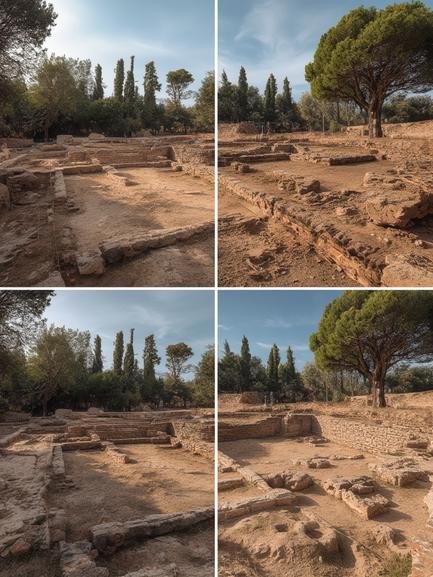
Your journey from Rabat to the Azrou cedar forest should begin early in the morning to maximize your exploration time. Follow this route for the optimal experience:
1. Depart Rabat: Leave by 8:00 AM, taking the A2 highway toward Meknes.
2. Stop in Meknes: Break your journey at this imperial city (approximately 2 hours from Rabat), perhaps visiting the impressive Bab Mansour gate.
3. Continue to Ifrane: Drive another 30-40 minutes to this unique European-style town, known as “Little Switzerland.” Its alpine architecture provides a surprising contrast to typical Moroccan cities.
4. Reach Cedar Forest Entrance: About 20 minutes from Ifrane, you’ll arrive at the main forest area where Barbary macaques are commonly seen. Park at the designated areas.
5. Visit Cèdre Gouraud: This ancient cedar tree is a must-see landmark. Spend time photographing this natural wonder.
6. Follow Trail Loop: A well-marked 3 km walking path leads through diverse sections of the forest. Along the way, multiple viewing platforms offer panoramic vistas across the Middle Atlas range.
7. Macaque Observation Area: Mid-afternoon is ideal for wildlife watching at the forest clearings where macaques gather. Keep a respectful distance and never feed the animals.
8. Visit Azrou Town: Before heading back, explore this Berber market town with its distinctive central rock formation and artisan shops selling locally made cedar wood crafts.
For the best photos, position yourself facing west in the late afternoon as sunlight filters dramatically through the cedar branches.
Nearby Attractions, Food & Accommodation
Nearby Attractions:
- Ifrane National Park Visitor Center (15 minutes)
- Lake Dayet Aoua (25 minutes) – Popular for birdwatching
- Source Vittel waterfall (20 minutes)
- Volcanic crater of El Walja (30 minutes)
- Traditional Berber markets in Azrou (Tuesdays and Thursdays)
Food Options:
- Budget: Café-Restaurant Assafir in Azrou for authentic Moroccan meals
- Mid-range: Restaurant La Forêt at the forest entrance offering tajines and grilled meats
- Upscale: Le Château in Ifrane for French-Moroccan fusion cuisine
Accommodation:
- Budget: Hotel Azrou in town center offers clean, simple rooms
- Mid-range: Auberge La Forestière provides comfortable rooms at the forest edge
- Luxury: Château Michlifen Resort in Ifrane offers 5-star accommodation with mountain views
- Unique Experience: Eco-lodges within the national park boundaries (advance booking essential)
Many visitors prefer staying in Ifrane or Azrou overnight to fully experience the forest at different times of day, though a day trip from Rabat is certainly feasible.
Travel Tips & Common Mistakes to Avoid
Essential Tips:
- Bring cash as ATMs are limited in the area and most vendors don’t accept cards
- Download offline maps before your trip, as mobile service can be spotty
- Carry water and snacks, especially when hiking
- Wear sturdy shoes appropriate for uneven terrain
- Pack a light jacket even in summer, as temperatures can drop quickly at higher elevations
Common Mistakes to Avoid:
- Feeding the macaques: This is harmful to their health and natural behaviors
- Underestimating driving time: Moroccan roads can be winding in mountainous areas
- Missing the side trails: Most visitors stick to the main path, missing quieter forest sections
- Forgetting camera equipment: The lighting conditions in the forest are challenging
- Not consulting local guides: They can point out wildlife and plant species you might otherwise miss
Most importantly, respect that this is a protected natural area—leave no trace and follow all posted guidelines to preserve this unique ecosystem.
Conclusion
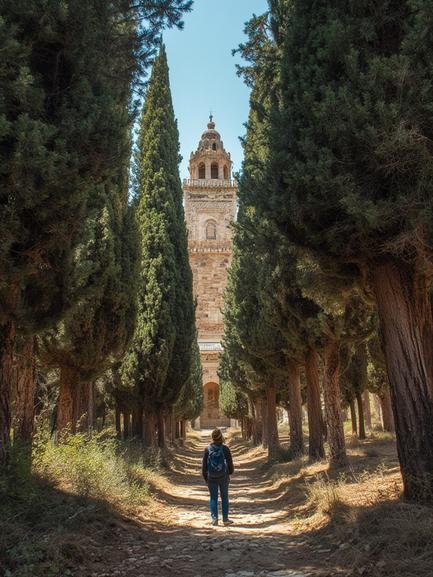
The journey from Rabat to the Azrou cedar forest offers travelers an exceptional glimpse into Morocco beyond its famous desert and imperial cities. This accessible day trip reveals the country’s surprising ecological diversity and provides opportunities to encounter endangered Barbary macaques in their natural habitat. The ancient cedar trees, some silent witnesses to nearly a millennium of history, create an atmosphere of tranquility that contrasts dramatically with the urban energy of Rabat. Whether you’re seeking wildlife photography opportunities, a refreshing mountain retreat, or simply a deeper understanding of Morocco’s natural heritage, this forest excursion delivers a memorable experience that enriches any Moroccan itinerary. Plan your visit to coincide with your preferred season—each offering its own distinctive charm—and discover why these forests have captivated travelers for generations.
FAQs
How long does it take to drive from Rabat to Azrou’s cedar forest?
The drive takes approximately 3-4 hours each way, depending on traffic and stops. Most visitors make it a full-day excursion, leaving early morning and returning in the evening.
Is it safe to visit the cedar forest and see the Barbary macaques?
Yes, visiting is generally safe. The macaques are accustomed to human presence but remain wild animals. Maintain a respectful distance, never feed them, and secure belongings, as they may grab bags or loose items.
Can I visit the cedar forest in winter when it snows?
Yes, winter visits are possible and offer spectacular snowy landscapes. Roads are generally cleared quickly after snowfall, but check weather conditions before traveling and consider a 4×4 vehicle during winter months.
Are there guided tours available of the forest?
Local guides can be hired at the main entrance points to the forest and in Azrou town. While not mandatory, guides enhance the experience by sharing ecological knowledge and increasing wildlife spotting opportunities.
What should I wear when visiting the cedar forest?
Dress in layers, as mountain weather can change quickly. Comfortable walking shoes with good traction are essential. In summer, bring sun protection, and in winter, warm clothing is necessary as temperatures can drop below freezing.