


Morocco’s elegant capital city offers a shopping experience that beautifully blends tradition with modernity. Rabat shopping presents visitors with a fascinating array of options, from labyrinthine medina alleys lined with artisan workshops to sleek contemporary malls with international brands. Whether you’re hunting for authentic Moroccan treasures like handwoven rugs, intricately designed pottery, or traditional Moroccan crafts, the city delivers a rich cultural experience alongside its commercial offerings.
Unlike the sometimes overwhelming atmosphere of Marrakech or Fes, Rabat provides a more relaxed shopping environment while still offering genuine Moroccan charm and craftsmanship.
History & Cultural Background
Rabat’s commercial heritage dates back centuries, with its medina founded in the 12th century during the Almohad Caliphate. Unlike some of Morocco’s older imperial cities, Rabat’s medina is relatively small but remarkably authentic. The city’s role as capital since Morocco’s independence in 1956 has influenced its commercial development, balancing preservation of traditional craft centers with modern retail expansion.
Historically, Rabat was renowned for its textile production, particularly the intricate Rabati carpets and embroidery. The city’s strategic coastal position made it an important trading hub, where goods from inland Morocco met international maritime commerce. This blend of influences shaped Rabat’s distinctive commercial character.
The French Protectorate period (1912-1956) introduced European commercial concepts, while the post-independence era saw careful development that respected both heritage and modernization. Today, this balanced approach is evident in how traditional souks exist alongside contemporary shopping districts like Agdal and Hassan.
Architectural Highlights & Key Features
Rabat’s shopping landscape features distinctive architectural elements that reflect both its history and contemporary development:
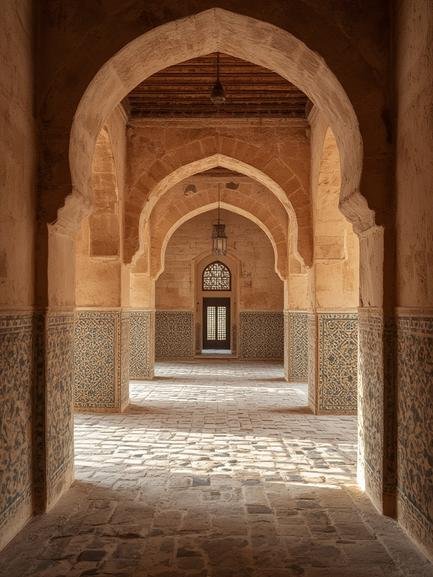
The Medina: The ancient walled heart of Rabat features narrow streets lined with small shops under distinctive arched doorways. Many buildings showcase traditional Moroccan elements like zellige tilework, carved cedar, and plasterwork. The Andalusian influence is evident in the architectural details of many storefronts.
Souq es Sebat: This traditional market is known for its 17th-century arcade structure with characteristic horseshoe arches and is primarily dedicated to textiles and clothing.
Modern Malls: Mega Mall and Rabat Center represent contemporary Moroccan retail architecture, incorporating traditional motifs into modern glass and steel designs. The carefully balanced aesthetics often feature geometric patterns inspired by Islamic art within modern retail spaces.
Rue des Consuls: This famous shopping street in the medina features restored traditional buildings with distinctive blue and white color schemes, housing artisan workshops in structures that date back hundreds of years.
Best Time to Visit & Practical Information
Optimal Seasons: Spring (April-May) and fall (September-October) offer the most pleasant weather for exploring Rabat’s shopping districts. Summer can be hot, particularly in the medina, while winter brings occasional rain.
Shopping Hours:
– Medina shops: Generally open 9:30 AM-7:00 PM
– Modern malls: 10:00 AM-10:00 PM
– Weekly market day: Sunday (Souk Al Ahad)
– Note: Many shops close Friday afternoons for prayers
Price Expectations:
– Bargaining is expected in the medina and souks (aim for 30-40% off initial asking price)
– Fixed prices in malls and boutiques
Transportation:
– Petit taxis (blue) are ideal for moving between shopping areas
– The tram system connects major commercial districts
– The medina is pedestrian-only
Payment Methods: While cash (Moroccan dirhams) is preferred in traditional markets, most larger stores and malls accept credit cards. ATMs are readily available throughout commercial areas.
Step-by-Step Exploration Guide
Day 1: Traditional Shopping Experience
1. Morning: Medina Exploration (2-3 hours)
– Enter through Bab El Had gate
– Visit Rue Souika for general goods and local atmosphere
– Explore Rue des Consuls for high-quality crafts and textiles
– Don’t miss the jewelry quarter for silver filigree work
2. Afternoon: Specialized Markets
– Visit the Carpet Market (best selection of authentic Rabati rugs)
– Explore the Spice Market for colorful displays and aromatic treasures
– End at Souk es Sebat for textiles and traditional clothing
When exploring these traditional areas, Rabat shopping offers a more authentic experience compared to more touristy cities. Look for workshops where traditional Moroccan crafts are being created, as watching artisans at work provides insight into centuries-old techniques.
Day 2: Modern Shopping Experience
1. Morning: Agdal District (2-3 hours)
– Browse boutiques along Avenue de France
– Visit Mega Mall for international and local brands
– Explore specialty food shops for Moroccan delicacies
2. Afternoon: Hassan and Ville Nouvelle
– Shop along Mohammed V Avenue for upscale Moroccan designers
– Visit Rabat Center mall for a mix of international brands
– End at the artisan center for curated, high-quality crafts
Nearby Attractions, Food & Accommodation
Attractions Near Shopping Areas:
– Near the Medina: Kasbah of the Udayas (5-minute walk), Andalusian Gardens (7-minute walk)
– Near Agdal Shopping District: Jardin d’Essais Botaniques (10-minute walk)
– Near Hassan: Hassan Tower and Mohammed V Mausoleum (15-minute walk)
Dining Options:
Budget:
– Café Maure in the Kasbah (traditional Moroccan tea and pastries)
– Restaurant Dinarjat (affordable tagines near the medina)
Mid-range:
– Le Petit Beur (excellent Moroccan cuisine in Agdal)
– Yamal Acham (Syrian restaurant near Hassan)
Upscale:
– Dar Naji (traditional Moroccan in elegant setting)
– Le Dhow (floating restaurant with international menu)
Accommodation:
Near Traditional Markets:
– Riad Kalaa (luxury in the medina)
– Dar El Kebira (boutique riad near Rue des Consuls)
Near Modern Shopping:
– Hotel Sofitel Jardin des Roses (luxury option near Agdal)
– Ibis Rabat Agdal (mid-range near shopping district)
– Hotel Mercure Rabat Sheherazade (comfortable option near Hassan)
Travel Tips & Common Mistakes to Avoid
Smart Shopping Tips:
– Carry cash in small denominations for the medina and souks
– Learn basic bargaining phrases in French or Arabic
– Shop in the late afternoon when vendors may offer better deals
– Compare prices across multiple vendors before purchasing
– Request receipts for higher-value purchases
Common Mistakes:
– Rushing to buy: Many first-time visitors purchase the first items they see, missing better quality or prices elsewhere
– Neglecting local specialties: Focus on Rabat’s famous products like embroidery and carpets rather than generic souvenirs
– Forgetting shipping logistics: Large items like carpets may need special shipping arrangements
– Over-bargaining: While negotiation is expected, excessively aggressive bargaining can be considered disrespectful
– Photographing without permission: Always ask before taking photos of people or their merchandise
Cultural Considerations:
– Dress modestly, particularly in traditional shopping areas
– Greet shopkeepers with “Salam Alaikum” before beginning transactions
– Accept offered mint tea as a gesture of hospitality, not sales pressure
Conclusion
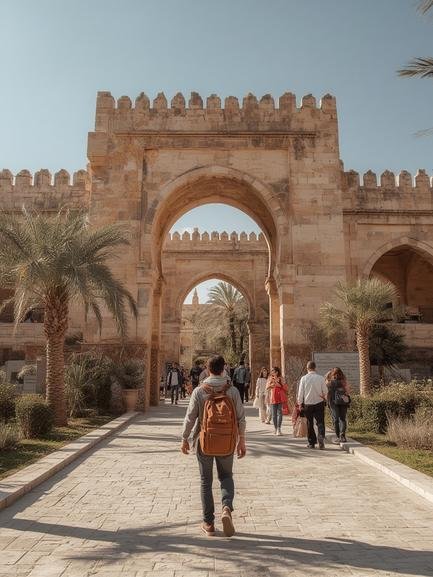
The blend of old-world charm and contemporary convenience makes Rabat shopping one of Morocco’s most rewarding retail experiences. Unlike the sometimes overwhelming nature of other Moroccan shopping destinations, Rabat offers a perfect balance of authenticity and accessibility. Whether you’re seeking handcrafted treasures in centuries-old workshops or browsing international brands in modern malls, the capital delivers diverse options in a visitor-friendly atmosphere.
What makes Rabat particularly special is the opportunity to purchase directly from artisans practicing traditional Moroccan crafts, creating meaningful connections and bringing home pieces with genuine cultural significance and personal stories. Take time to explore both the atmospheric medina and the contemporary districts to experience the full spectrum of what Rabat offers. By approaching the experience with cultural sensitivity and a sense of adventure, you’ll discover that shopping in Morocco’s elegant capital is not merely a transaction but a journey through the nation’s rich artistic heritage.
FAQs
Q: Is it safe to shop in Rabat’s medina and souks?
A: Yes, Rabat’s traditional markets are generally very safe for tourists. The medina is smaller and less crowded than those in Marrakech or Fes, making it easier to navigate. Normal precautions against pickpocketing are advisable, as in any tourist destination.
Q: How much time should I allocate for shopping in Rabat?
A: Plan at least one full day for traditional markets and another half-day for modern shopping districts. Serious shoppers interested in carpets or custom items might need an additional day.
Q: What are the unique items I should look for while shopping in Rabat?
A: Rabat is particularly known for its high-quality carpets, distinctive embroidery (especially table linens), leather goods, and pottery. The city’s artisans also produce exceptional woodwork and silver jewelry.
Q: Can I use credit cards in Rabat’s shops?
A: Credit cards are widely accepted in malls, hotels, and upscale boutiques but less common in traditional markets. It’s advisable to carry cash for shopping in the medina and souks.
Q: What is the customs allowance for bringing Moroccan purchases back home?
A: Regulations vary by country, but most visitors can bring back typical souvenirs duty-free. For valuable items like carpets or art, keep receipts for customs declarations. Antiques over 100 years old require an export permit from Moroccan authorities.