
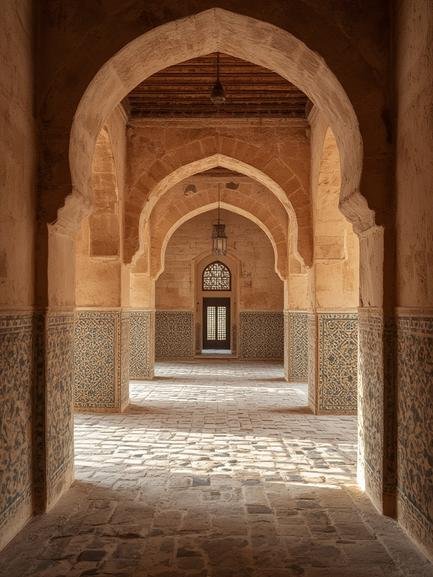


Welcome to Morocco’s diplomatic gateway, where history and modernity converge. Rabat-Salé Airport serves as the primary entry point to Morocco’s capital city, offering visitors their first glimpse of this fascinating North African kingdom. While smaller than Casablanca Mohammed V International Airport, this transportation hub provides travelers with convenient access to Rabat’s UNESCO World Heritage sites, diplomatic quarters, and stunning Atlantic coastline.
Whether you’re visiting for business, cultural exploration, or simply passing through on a larger Moroccan adventure, understanding this airport’s facilities and connections will enhance your travel experience tremendously.
History & Cultural Background
Constructed in 1951 during the French Protectorate era, the airport was initially built as a military airbase. Following Morocco’s independence in 1956, it was converted to civilian use and named after its location between the twin cities of Rabat and Salé. The facility has undergone several renovations, with the most significant expansion occurring in 2012 when a new terminal was inaugurated, increasing capacity to 1.5 million passengers annually.
The airport reflects Morocco’s commitment to modernization while honoring traditional Moroccan architectural elements. Its development parallels Rabat’s evolution from an ancient imperial city to a modern capital that earned UNESCO World Heritage status in 2012 under the inscription “Rabat, Modern Capital and Historic City: A Shared Heritage.”
As the entry point for diplomats and officials visiting Morocco’s administrative center, the airport has welcomed countless dignitaries and played a subtle yet significant role in the country’s international relations.
Architectural Highlights & Key Features
The terminal building showcases a blend of contemporary design with traditional Moroccan architectural influences. The façade features geometric patterns inspired by Islamic art, while the interior incorporates elements of zellige tilework and cedar wood details that reflect Morocco’s rich artisanal heritage.
Key features include:
- A spacious main hall with a dramatic high ceiling featuring traditional Moroccan lanterns
- Two levels housing arrival and departure areas
- Multiple check-in counters and security checkpoints
- Several duty-free shops offering local handicrafts and international brands
- Cafés and restaurants serving both Moroccan and international cuisine
- Prayer rooms for Muslim travelers
- Free Wi-Fi throughout the terminal
- Currency exchange services and ATMs
- Car rental facilities
While modest in size compared to major international hubs, the airport’s efficient layout allows for smooth passenger flow and rarely feels overcrowded.
Best Time to Visit & Practical Information
The airport operates year-round, with the busiest periods coinciding with Morocco’s peak tourist seasons (March-May and September-November) when weather conditions are most pleasant. Summer months (June-August) see increased traffic from Moroccans living abroad returning for holidays.
Practical Details:
- Airport Code: RBA
- Location: Approximately 8 km (5 miles) northeast of Rabat’s city center
- Operating Hours: 24 hours, though flight operations primarily occur between 6 AM and midnight
- Airlines: Royal Air Maroc (national carrier), Air France, Emirates, Qatar Airways, and several European carriers
- Routes: Direct connections to major European cities, Middle Eastern hubs, and domestic destinations within Morocco
Getting To/From the Airport:
- Taxis: Available outside the terminal (use only official “petit taxis” with meters)
- Public Transport: Limited bus service connects to central Rabat
- Car Rental: Several agencies have counters in the arrivals hall
- Private Transfer: Can be arranged in advance through hotels or travel agencies
Step-by-Step Exploration Guide
Navigating Rabat-Salé Airport efficiently:
1. Arrivals Process:
* Disembark and follow signs to immigration
* Complete the entry form (sometimes distributed on the plane)
* Proceed through passport control (separate lines for Moroccan nationals and foreigners)
* Collect baggage from the carousel in the central hall
* Clear customs (usually quick unless selected for random check)
* Exit to the arrivals hall, where you’ll find transportation options
2. Airport Facilities:
* Visit the tourism information desk for maps and guidance
* Exchange currency at rates often better than in the city
* Purchase a SIM card for local connectivity
* Use restroom facilities before heading to the city
3. Departure Process:
* Arrive at least 2-3 hours before international flights
* Check-in at the appropriate airline counter (upper level)
* Clear security and passport control
* Explore the departure lounge with its Casablanca Mohammed V International Airport crafts shops
* Enjoy a final Moroccan mint tea at the café before boarding
The compact size of the airport means walking distances are manageable, even with luggage, and the clear signage in Arabic, French, and English helps international travelers navigate with ease.
Nearby Attractions, Food & Accommodation
Within 30 Minutes:
- Hassan Tower: Iconic incomplete 12th-century minaret and symbol of Rabat
- Mausoleum of Mohammed V: Stunning example of Moroccan architecture
- Kasbah of the Udayas: Historic fortress with picturesque blue and white streets
- Rabat Medina: Traditional market area for authentic shopping
- Rabat Beach: Atlantic coastline perfect for sunset walks
Dining Options:
- Airport: Café Marhaba offers quick Moroccan snacks and coffee
- Nearby: Restaurant Dinarjat (upscale traditional cuisine in the medina)
- Local Favorite: Ty Potes (French-Moroccan fusion in the Agdal district)
Accommodation:
- Luxury: Sofitel Rabat Jardin des Roses (15 minutes from airport)
- Mid-range: Riad Kalaa in the medina (historic guesthouse)
- Budget: Hotel Gauthier in the city center (clean and affordable)
Most visitors don’t stay near the airport itself, as the city center is easily accessible and offers a more authentic experience.
Travel Tips & Common Mistakes to Avoid
Smart Traveler Tips:
- Download the airport map before arrival
- Carry small denominations of Moroccan dirhams for taxis
- Negotiate taxi fares before entering the vehicle if not using a meter
- Keep a printed hotel address in both English and Arabic/French
- Allow extra time during Ramadan when services may operate at a reduced pace
Common Mistakes:
- Assuming credit cards are widely accepted at the airport (cash is often preferred)
- Not validating VAT refund documents before checking luggage
- Using unauthorized “guides” who approach in the arrivals hall
- Overpaying for taxis by not insisting on the meter
- Forgetting to keep the immigration card for departure
Conclusion
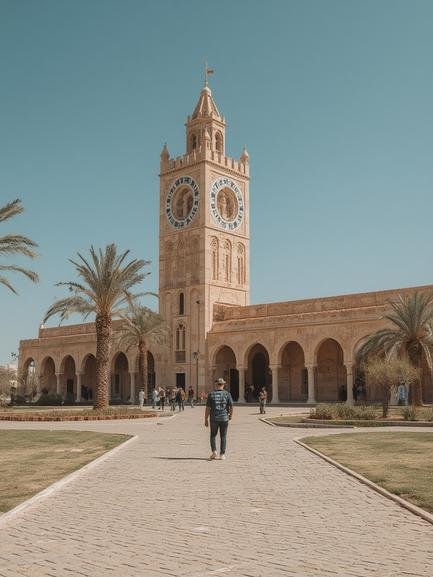
Rabat–Salé Airport may not have the grandeur of Casablanca Mohammed V International Airport, but it offers something equally valuable: a stress-free introduction to Morocco’s elegant capital city. Its manageable size, efficient services, and proximity to Rabat’s UNESCO treasures make it an ideal entry point for those seeking to explore Morocco beyond the typical tourist routes. The airport serves as both a practical transportation hub and a cultural gateway, offering visitors their first taste of Moroccan hospitality. As you plan your Moroccan adventure, consider flying into this convenient facility to begin your journey in the kingdom’s sophisticated administrative heart. Your royal city experience begins the moment you land—prepare to be charmed by this lesser-known gem of North African travel.
FAQs
Q: Is Rabat-Salé Airport safe for international travelers?
A: Yes, the airport maintains high security standards with modern screening equipment and professional staff. As Morocco’s diplomatic hub, security is a priority, especially for international arrivals and departures.
Q: How long does it take to get through immigration and customs?
A: During non-peak hours, the process typically takes 15-30 minutes. During busy periods or when multiple international flights arrive simultaneously, it can take up to an hour.
Q: Can I take photographs inside the airport?
A: General photography for personal use is permitted in public areas, but avoid photographing security checkpoints, immigration areas, or official personnel without permission.
Q: Is there a prayer room in the airport?
A: Yes, dedicated prayer rooms for Muslim travelers are available in both the departures and arrivals areas, with separate facilities for men and women.
Q: Are there any local customs I should be aware of when arriving in Rabat?
A: Dress modestly when arriving, especially if traveling during Ramadan. While Morocco is relatively progressive, respecting local customs regarding dress and behavior is appreciated. Greeting people with “Salam alaikum” (peace be upon you) is always welcomed.