

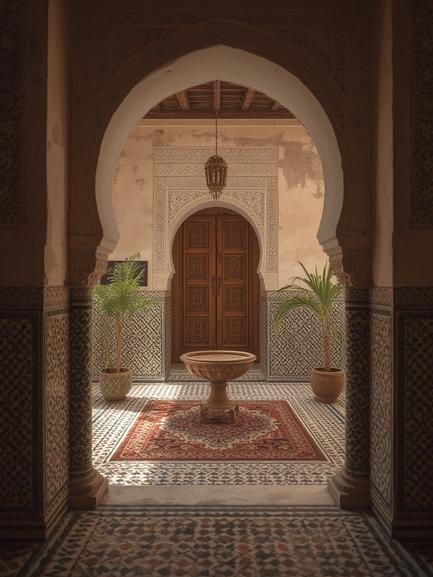

Morocco’s capital city presents a fascinating blend of historical grandeur and contemporary vibrancy that makes it a photographer’s paradise. Rabat photography tours provide the perfect opportunity to capture the essence of this royal city through expert guidance. Whether you’re a seasoned professional or an enthusiastic amateur with a smartphone, these Moroccan photo adventures unlock perspectives and locations that would otherwise remain hidden.
The city’s unique combination of Islamic, French colonial, and contemporary Moroccan architecture creates a visual feast waiting to be discovered through your viewfinder.
History & Cultural Background

Rabat’s photographic allure is deeply rooted in its rich history. Founded in the 12th century as a fortress (ribat) by the Almohad ruler Abd al-Mu’min, the city gained prominence as a base for raids against Spain. By the 17th century, it had become a haven for Barbary pirates before the French established their protectorate in 1912, designating Rabat as the administrative capital. This layered history is evident in the city’s diverse architecture and cultural landmarks.
The UNESCO World Heritage status awarded to Rabat in 2012 recognizes this exceptional blend of ancient Islamic urban planning and French colonial design. When photographing the city, you’re capturing living history—from the ancient walls of the Kasbah des Oudaias to the modernist architecture of the Hassan II era and contemporary structures like the Grand Theatre of Rabat.
Architectural Highlights & Key Features
Rabat offers photographers an extraordinary range of architectural subjects. The imposing Hassan Tower stands as an incomplete minaret from the 12th century, providing dramatic angles against the sky. Nearby, the mausoleum of Mohammed V showcases exquisite Moroccan craftsmanship with its white marble columns and zellige tilework.
The Kasbah des Oudaias presents a maze of blue and white Andalusian-style streets that create perfect framing opportunities. The Royal Palace, though closed to the public, offers impressive exterior gates and guardsmen in traditional attire. For contrast, the modern tram system cutting through ancient streets creates compelling juxtapositions that tell the story of a city balancing tradition with progress.
Key features to focus on include:
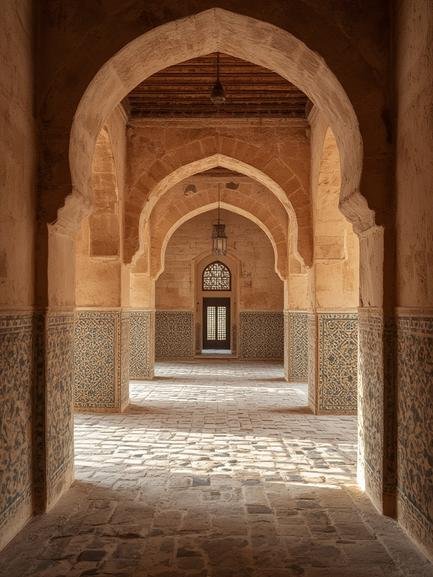
– The intricate geometric patterns in Islamic architecture
– The play of light in narrow medina alleyways
– The contrast between ancient walls and contemporary life
– The vibrant colors of markets and gardens
– The serene Atlantic coastline and Bouregreg River views
Best Time to Visit & Practical Information
For optimal photography conditions, visit Rabat during spring (April-May) or fall (September-October) when temperatures are mild and light is soft and golden. Morning and late afternoon offer the best lighting conditions, with the famous “golden hour” casting warm hues across the city’s sandstone walls.
Most historical sites open from 9:00 AM to 6:00 PM, though the medina and public areas can be photographed anytime. Entry to major monuments like the Kasbah and Chellah ruins costs 10-70 MAD (approximately $1-7 USD).
The city is easily navigable via the modern tram system (ticket cost: 6 MAD). Dress modestly when photographing religious sites, and always ask permission before photographing local people, especially in traditional areas.
Step-by-Step Exploration Guide
A perfect day of Rabat photography tours should follow this route for optimal light and crowd conditions:
1. Sunrise at Kasbah des Oudaias (7:00-9:00 AM): Begin at this 12th-century fortress when the rising sun illuminates the Atlantic and washes the blue-and-white walls in soft light. Explore the narrow streets and capture the ornate Andalusian Garden.
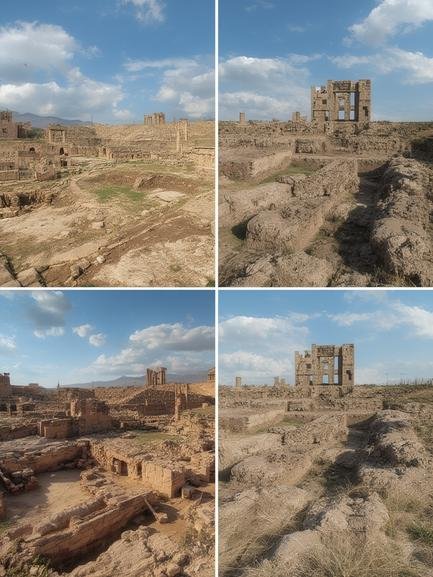
2. Chellah Necropolis (9:30-11:30 AM): Visit these Roman and Islamic ruins when morning light filters through ancient stone arches. The resident storks nesting atop ruins add a unique element to compositions.
3. Hassan Tower & Mohammed V Mausoleum (12:00-2:00 PM): Capture the dramatic columns of the unfinished mosque with minimal crowds. The symmetry and ornate details of the mausoleum offer endless macro opportunities. This is where many Moroccan photo adventures concentrate their technical instruction on composition.
4. Lunch break in the Medina (2:00-3:30 PM): Use this time when light is harsh to rest and capture colorful food and market scenes.
5. Sale Medina across the river (3:30-5:30 PM): Less touristed than Rabat’s center, Sale offers authentic street photography opportunities as afternoon light softens.
6. Sunset at Bouregreg River (6:00-7:30 PM): Conclude at the river marina where fishing boats, the distant Kasbah, and the Hassan Tower create a perfect twilight panorama.
Nearby Attractions, Food & Accommodation
For photography beyond the main sites:
– Rabat Archaeological Museum for artifact close-ups
– The Royal Palace exterior gates (photograph from designated areas only)
– Jardin d’Essais Botaniques for nature and macro photography
– Atlantic Coast beaches for seascape opportunities
Culinary experiences worth capturing:
– Café Maure in the Kasbah for mint tea with ocean views
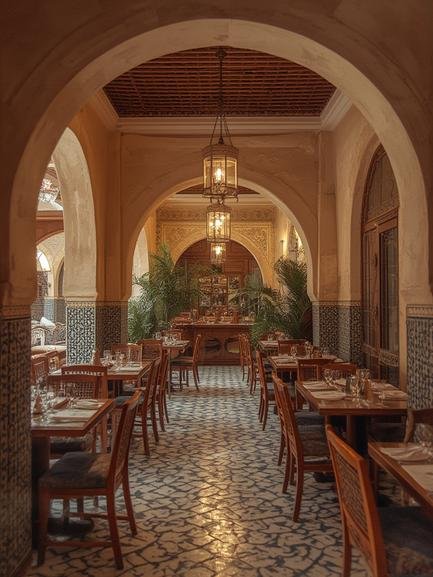
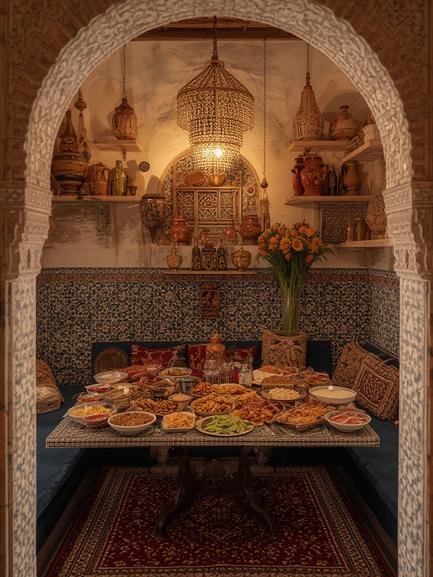
– Dinarjat Restaurant for traditional Moroccan cuisine in a photogenic riad setting
– Street food vendors in the medina for action shots of food preparation
Accommodation with photographic appeal:
– Luxury: Villa Mandarine with its garden settings and Moroccan decor
– Mid-range: Riad Kalaa in the medina for authentic architectural details
– Budget: Hotel Bouregreg for rooftop views of the river and city
Travel Tips & Common Mistakes to Avoid
Photography-specific tips:
– Bring a polarizing filter to manage harsh Moroccan sunlight
– Pack a versatile zoom lens (24-70mm) for street photography
– Consider a wide-angle lens for architectural shots
– Carry extra batteries and memory cards—you’ll need them!
– Use a lightweight tripod for low-light situations, especially in the medina
Common mistakes:
– Photographing locals without permission (always ask first)
– Missing the early morning light in the Kasbah (when blues are most vibrant)
– Overlooking small details like doorknobs, tiles, and ironwork
– Not protecting equipment from dust, especially during windy days
– Forgetting to explore beyond the main tourist paths
Conclusion
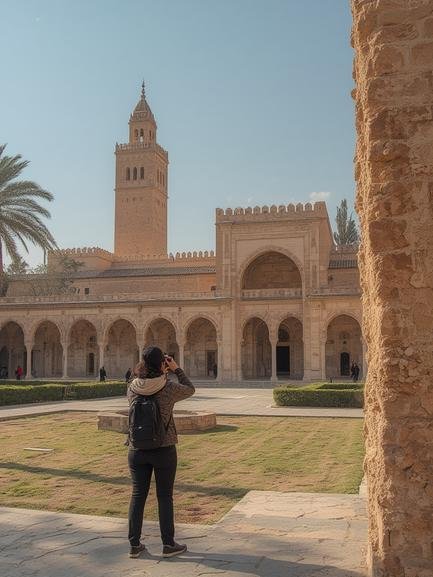
Rabat stands as one of North Africa’s most photogenic yet underrated capitals, offering a visual journey through centuries of Moroccan history without the overwhelming tourism of Marrakech. Rabat photography tours provide not just beautiful images but a deeper understanding of Moroccan culture through the lens of visual storytelling. Whether you’re capturing the play of light on ancient ramparts or the vibrant energy of contemporary street life, these Moroccan photo adventures will transform how you see and remember this royal city. Book your photography experience today and return home with images that tell a thousand stories of this magnificent capital.
FAQs
How long do typical Rabat photography tours last?
Most guided photography tours last between 4-8 hours, though multi-day workshops are available for those wanting to capture different lighting conditions and more locations.
Is it safe to walk around Rabat with expensive camera equipment?
Rabat is considered one of the safest Moroccan cities for photographers. Still, common-sense precautions apply: use a non-descript camera bag, maintain awareness of your surroundings, and avoid displaying equipment openly in crowded areas.
Do I need permission to photograph inside religious sites?
Yes, permission is required for photography inside active mosques, which are generally closed to non-Muslims. However, exterior shots are usually permitted from designated areas.
What languages do photography guides in Rabat typically speak?
Most professional photography guides speak English and French fluently, with many also speaking Arabic and Spanish. Specify language requirements when booking.
Can beginners join photography tours, or are they only for professionals?
Photography tours in Rabat cater to all skill levels. Many guides offer basic technical instruction for beginners while leading more advanced photographers to premium locations at optimal times.