

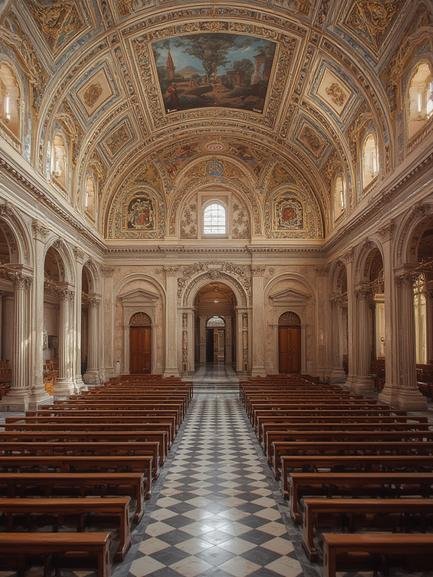

Morocco’s capital city holds many architectural treasures, but few are as significant to the nation’s identity as the Rabat Parliament building. Standing proudly in the heart of the administrative district, this impressive structure represents both Morocco’s rich heritage and its modern democratic aspirations. The building serves not only as the seat of legislative power but also as a remarkable Moroccan architectural masterpiece that draws visitors from around the world.
Its unique blend of traditional Islamic design elements with contemporary functionality makes it a must-visit destination for anyone interested in understanding Morocco’s political landscape and architectural achievements.
History & Cultural Background
The Parliament of Morocco, officially known as the Parliament of the Kingdom of Morocco, has a history that reflects the nation’s journey toward constitutional monarchy. The current parliament building was inaugurated in 1973 during the reign of King Hassan II, though the parliamentary system itself dates back to Morocco’s independence in 1956.
The building underwent significant renovations in the early 2000s to modernize its facilities while preserving its distinctive character. These renovations coincided with King Mohammed VI’s reforms to enhance democratic institutions in the country. Today, the Parliament houses two chambers: the House of Representatives (lower house) with 395 members elected directly by the people, and the House of Councillors (upper house) with 120 members elected indirectly.
The cultural significance of the building extends beyond politics, as it represents Morocco’s commitment to balancing tradition with progress—a theme that runs through many aspects of contemporary Moroccan society.
Architectural Highlights & Key Features
The Parliament building exemplifies Morocco’s unique architectural style, blending traditional Islamic design with modern structural elements. Its most striking features include:
– Imposing Façade: The building’s grand exterior combines geometric patterns with symmetrical design, creating a powerful visual statement.
– Ornate Entrance: The main entrance features intricate zellige tilework and cedar wood carvings, showcasing Morocco’s renowned craftsmanship.
– Central Dome: A magnificent dome crowns the central chamber, allowing natural light to filter through colorful stained glass.
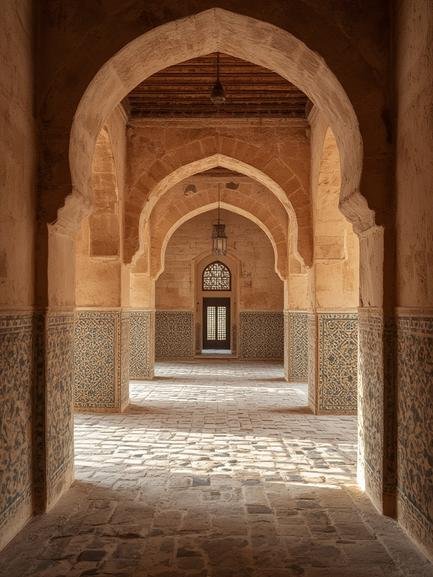
– Moorish Arches: Throughout the structure, horseshoe arches—a hallmark of Moroccan architecture—frame doorways and windows.
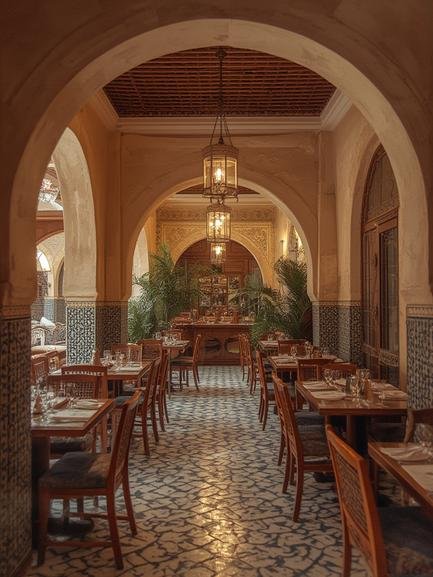
– Interior Courtyard: Following traditional Moroccan design principles, the building includes an interior courtyard that provides natural ventilation and a peaceful retreat from the busy chambers.
– Assembly Halls: Both parliamentary chambers feature impressive acoustics, elegant woodwork, and modern technological facilities discreetly integrated into the traditional design.
The building’s walls incorporate local materials including limestone from the Middle Atlas Mountains and marble from the Agadir region, connecting it physically to the Moroccan landscape.
Best Time to Visit & Practical Information
Optimal Visiting Times:
– Season: Spring (March-May) and fall (September-November) offer pleasant temperatures for exploring Rabat.
– Parliament Sessions: When the Parliament is not in session (usually July-September and January), more areas may be accessible to visitors.
– Time of Day: Early mornings (9-11 AM) typically see fewer visitors.
Essential Details:
– Opening Hours: The building is open to visitors Monday to Friday, 9:00 AM to 4:00 PM, except during parliamentary sessions.
– Entrance Fee: Free for guided tours, but advanced reservations are required.
– Dress Code: Modest attire is required—shoulders and knees should be covered.
– Security: Expect airport-like security screening; bring identification.
Getting There:
– Located on Mohammed V Avenue, easily accessible by Rabat’s tram system (stop: Bab El Had).
– Taxis are plentiful and affordable throughout the city.
– Walking distance from other major attractions like the Royal Palace and Hassan Tower.
Advance booking is strongly recommended as tour spots are limited and occasionally canceled due to official functions.
Step-by-Step Exploration Guide
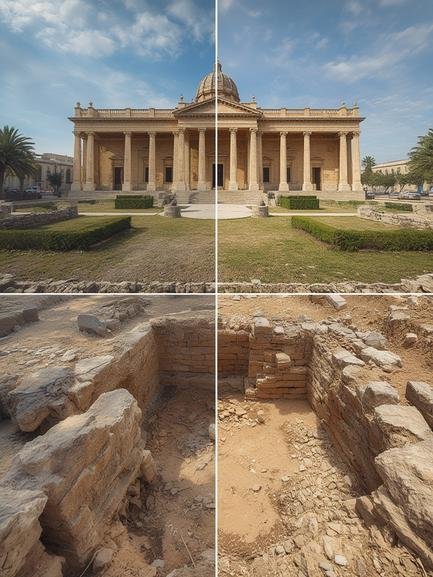
For the most rewarding visit to the Rabat Parliament building, follow this exploration route that captures its essence while providing context about its role as a Moroccan architectural masterpiece:
1. Start at the Main Plaza: Begin your visit at the expansive plaza in front of the building. This vantage point offers excellent photo opportunities of the façade and helps you appreciate the building’s proportions.
2. Main Entrance Hall: Pass through security into the impressive entrance hall, where you’ll encounter the first examples of traditional Moroccan craftsmanship in the form of intricate ceiling work and mosaic floors.
3. Historical Exhibition Area: Located on the ground floor, this space contains photographs and artifacts documenting Morocco’s parliamentary history.
4. Central Courtyard: Next, discover the peaceful interior courtyard with its fountains and garden elements—a traditional feature in Moroccan architecture.
5. Upper Galleries: If permitted, climb to the upper level for a different perspective of the courtyard and access to viewing galleries.
6. House of Representatives Chamber: The tour’s highlight is usually the main parliamentary chamber, with its impressive dome and semicircular seating arrangement.
7. Library and Documentation Center: If included in your tour, this repository of legislative documents offers insight into the working aspects of the parliament.
8. Rooftop Terrace: Some tours conclude with access to a terrace offering panoramic views of Rabat and neighboring Salé across the river.
Each guided tour lasts approximately 60-90 minutes, depending on whether the Parliament is in session and which areas are accessible.
Nearby Attractions, Food & Accommodation
Attractions Within Walking Distance:
– Hassan Tower and Mausoleum of Mohammed V (10-minute walk): A magnificent unfinished minaret and the royal mausoleum.
– Kasbah of the Udayas (15-minute walk): Ancient fortress with stunning gardens and ocean views.
– Rabat Medina (5-minute walk): Traditional market area for authentic shopping.
– Chellah Necropolis (30-minute walk or short taxi): Roman ruins and medieval Muslim necropolis.
Where to Eat:
– Upscale: Dar Naji for traditional Moroccan cuisine in elegant surroundings.
– Mid-range: Le Petit Beur for excellent Moroccan classics with reasonable prices.
– Budget-friendly: Café de la Renaissance for sandwiches and mint tea with locals.
Accommodation Options:
– Luxury: Hotel Sofitel Rabat Jardin des Roses, offering opulent rooms and gardens.
– Mid-range: Riad Kalaa in the medina, providing authentic Moroccan atmosphere.
– Budget: Hotel Gauthier near the Parliament, offering clean, basic accommodations.
Travel Tips & Common Mistakes to Avoid
Smart Visitor Tips:
– Book your Parliament tour at least two weeks in advance through your hotel or the Rabat Tourism Office.
– Bring a government-issued photo ID—it’s required for entry.
– Download a French/Arabic translation app, as not all guides speak fluent English.
– Visit early in your Rabat itinerary to gain historical context for other sites.
– Wear comfortable shoes with good traction—marble floors can be slippery.
Common Mistakes:
– Arriving without a reservation: The Parliament is not open for walk-in visitors.
– Photography misconceptions: Interior photography is restricted in certain areas—always ask first.
– Ignoring the dress code: Visitors in revealing clothing may be denied entry.
– Missing context: Not hiring a guide means missing the rich stories behind the architecture.
– Poor timing: Planning a visit during a major political event when the building is closed to tourists.
Conclusion
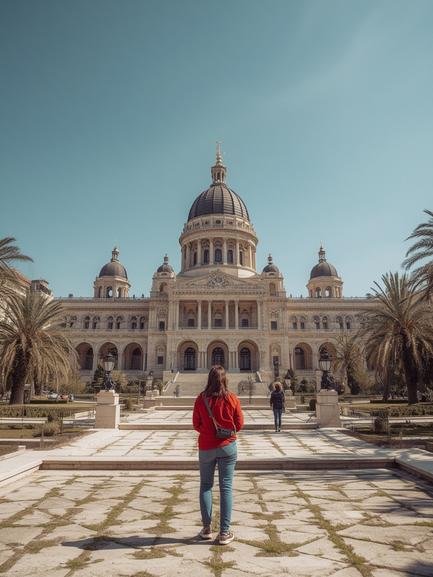
The Rabat Parliament building stands as much more than a political institution—it represents Morocco’s delicate balance of honoring tradition while embracing progress. Its walls tell stories of national identity, democratic development, and artistic excellence. For travelers seeking to understand modern Morocco beyond the typical tourist attractions, this architectural landmark provides a window into the nation’s governance and cultural values. The building’s grandeur, coupled with its significance as a Moroccan architectural masterpiece, makes it an essential stop on any comprehensive Rabat itinerary. When planning your Moroccan adventure, allocate time to appreciate this symbol of national pride and artistic achievement—your understanding of the kingdom will be richer for it. Book your guided tour today to discover the hidden treasures within this magnificent structure.
FAQs
Is it difficult to arrange a visit to the Parliament building?
While advance planning is required, most hotels and tourism offices can assist with bookings 1-2 weeks ahead. During parliamentary recess periods, securing a spot on a guided tour is relatively straightforward.
How long should I plan for my Parliament visit?
Allow 2-3 hours for the complete experience, including security procedures, the guided tour (60-90 minutes), and time to explore the surrounding area.
Are there any restrictions on photography inside the Parliament?
Photography is permitted in designated areas only, typically including the entrance hall and courtyard. The parliamentary chambers usually have stricter limitations, especially during sessions. Your guide will advise on specific rules.
Is the Parliament building accessible for visitors with mobility limitations?
Yes, the building has been modernized with accessibility features including elevators and ramps. Inform the tourism office of any special requirements when booking your tour.
What should I wear when visiting the Parliament?
Modest attire is expected. Men should wear long pants and shirts with sleeves; women should ensure shoulders and knees are covered. During hotter months, lightweight, breathable fabrics are recommended while maintaining modesty.