

Welcome to the vibrant waterfront of Morocco’s capital, where tradition meets modernity in spectacular fashion. The Rabat Oceans neighborhood represents one of North Africa’s most ambitious urban developments, transforming the city’s coastline into a world-class destination for both locals and international visitors.
This coastal gem offers a refreshing contrast to the ancient medinas and historical sites that Morocco is famous for, showcasing the kingdom’s vision for the future while maintaining connections to its rich cultural heritage. As you explore this area, you’ll discover how the Moroccan coastal architecture blends seamlessly with contemporary design, creating spaces that honor tradition while embracing innovation.
History & Cultural Background

The development of this coastal district represents a significant chapter in Rabat’s urban evolution. Conceived in the early 2010s as part of Morocco’s broader vision to enhance its coastal cities, the neighborhood was designed to transform what was previously an underutilized waterfront area into a modern hub of activity and commerce. The project officially broke ground in 2018 following years of planning and environmental impact studies.
Unlike many modern developments that disregard local context, this project was designed with cultural sensitivity in mind. Architects and urban planners incorporated elements of traditional Moroccan design—geometric patterns, water features, and garden spaces—while creating a contemporary atmosphere that appeals to international standards of luxury and convenience.
The neighborhood represents Morocco’s commitment to sustainable urban development and tourism diversification, moving beyond the country’s traditional cultural and historical attractions to create spaces that showcase Morocco’s modern capabilities and aspirations.
Architectural Highlights & Key Features
The architectural vision behind the neighborhood masterfully balances contemporary design with traditional Moroccan elements. Visitors will immediately notice the district’s signature feature: a series of white terraced buildings that mimic the natural contours of coastal cliffs, creating a cascading effect toward the Atlantic Ocean.
Key architectural highlights include:
– The Marina Promenade: A sweeping pedestrian walkway lined with palm trees and offering panoramic ocean views
– The Central Plaza: A large open space featuring intricate mosaic work and water features
– The Ocean Pavilion: A striking glass structure extending partially over the water that serves as an exhibition space
– Residential Towers: Sleek high-rises with Moroccan-inspired façades and rooftop gardens
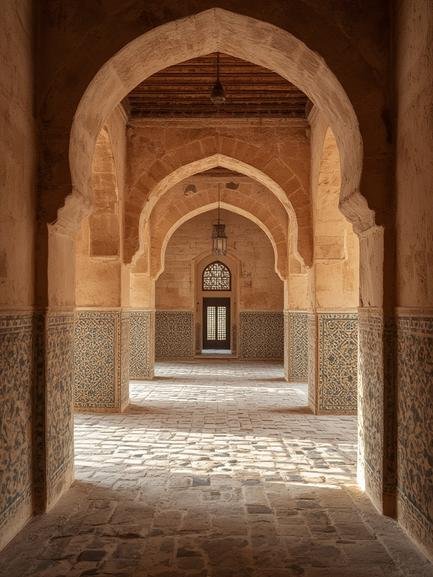
– Shopping Galleries: Covered walkways with modern interpretations of traditional Moroccan archways
The neighborhood employs a thoughtful blend of materials including local stone, glass, and steel, with subtle nods to traditional Moroccan craftsmanship through decorative elements and color schemes that favor Mediterranean blues, sandy neutrals, and terracotta accents.
Best Time to Visit & Practical Information
When to Visit
The most pleasant time to explore the Rabat Oceans neighborhood is during spring (April to June) and fall (September to November) when temperatures are moderate and crowds are manageable. Summer months (July-August) bring higher temperatures and increased tourist numbers, while winter can be surprisingly rainy though still mild compared to European standards.
The neighborhood comes alive in the evening hours, especially during summer, when the sea breeze provides relief from daytime heat and the sunset creates a magical atmosphere along the waterfront.
Practical Details
– Hours: Most shops and restaurants operate from 10:00 AM to 10:00 PM, with cafés opening earlier and some restaurants and entertainment venues staying open until midnight
– Entry: The neighborhood itself is free to access, though individual attractions may charge entry fees
– Transportation: The area is well-served by Rabat’s tram system (Line 2) and taxis are readily available
– Dress Code: While Morocco is a Muslim country, this modern neighborhood has no strict dress requirements, though modest attire is appreciated
Step-by-Step Exploration Guide
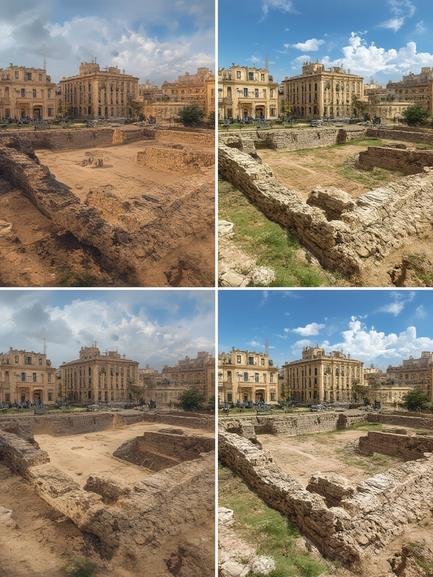
To make the most of your visit to the Rabat Oceans neighborhood, follow this carefully curated walking route that will guide you through the area’s highlights and hidden gems. Begin your exploration at the eastern entrance plaza, which serves as the gateway to this waterfront wonder and showcases stunning examples of Moroccan coastal architecture.
1. Start at the Visitor Center – Begin your journey at the information pavilion where you can pick up a detailed map and check for any special events happening during your visit
2. Stroll the Marina Boardwalk – Walk along the wooden boardwalk that offers spectacular views of luxurious yachts and the Atlantic Ocean
3. Explore the Central Plaza – Spend time in the main square, observing the intricate tilework and enjoying the ambient sounds of the fountains
4. Visit the Design Gallery – Step into this contemporary art space that showcases Moroccan and international designers (open 10:00 AM – 7:00 PM)
5. Take in Ocean Vistas from the Observation Deck – Ascend to the elevated platform for panoramic views and excellent photo opportunities
6. Wander through the Garden Paths – Enjoy the landscaped gardens featuring indigenous plants and modern sculptures
7. Discover the Culinary Quarter – Explore the restaurant district, perhaps stopping for a meal or refreshments
8. End at Sunset Point – Conclude your tour at this perfectly positioned spot to watch the sun sink into the Atlantic
For the best photographic opportunities, visit during the “golden hour” just before sunset when the light bathes the white buildings in warm hues and creates dramatic shadows along the promenade.
Nearby Attractions, Food & Accommodation
Nearby Attractions
Within easy reach of the Oceans neighborhood, visitors can explore:
– Kasbah of the Udayas (15-minute walk) – A historic fortress with beautiful gardens
– Rabat Beach (adjacent) – A sandy stretch perfect for relaxation
– Hassan Tower (30-minute walk) – An incomplete minaret from the 12th century
– Mohammed VI Museum of Modern Art (20-minute taxi ride) – Housing contemporary Moroccan art
Dining Options
The neighborhood offers diverse culinary experiences:
– Luxury: Ocean Terrace – Mediterranean fusion with seafood specialties
– Mid-range: Café Bleu – Moroccan cuisine with French influences
– Budget-friendly: Marina Snacks – Quick bites with ocean views
– Sweet treats: Pâtisserie Amandine – Traditional Moroccan pastries with modern twists
Accommodation
For those wishing to stay in or near the neighborhood:
– High-end: The Atlantic Residences – Luxury apartments with ocean views
– Mid-range: Marina Boutique Hotel – Stylish rooms in a central location
– Budget-friendly: Ocean Breeze Hostel – Clean, affordable accommodations within walking distance
Travel Tips & Common Mistakes to Avoid
Essential Tips
1. Sun protection is crucial – The reflection from both water and white buildings intensifies sun exposure
2. Carry water – Despite numerous cafés, staying hydrated is important, especially in summer months
3. Wear comfortable shoes – The neighborhood is designed for pedestrians but covers a significant area
4. Learn basic French or Arabic phrases – While many staff speak English, locals appreciate visitors’ efforts
5. Use the official app – Download the neighborhood’s mobile application for real-time events and navigation
Common Mistakes to Avoid
– Limiting your visit to daytime hours – The neighborhood transforms after dark with beautiful lighting
– Missing the cultural performances – Check the schedule for traditional music and dance shows at the amphitheater
– Overlooking the indoor attractions – On hot days, the air-conditioned galleries and museums offer respite
– Focusing only on shopping – The educational and cultural aspects of the neighborhood are equally valuable
– Forgetting your camera – The unique architecture and ocean views provide exceptional photo opportunities
Conclusion
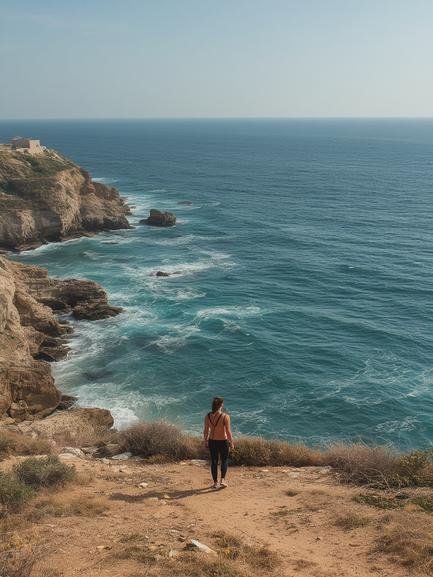
The Rabat Oceans neighborhood stands as a testament to Morocco’s vision of blending tradition with modernity, creating spaces that honor cultural heritage while embracing future possibilities. This waterfront development offers visitors a refreshing perspective on contemporary Morocco—one where luxury shopping and fine dining coexist with thoughtful public spaces and cultural programming. Whether you’re drawn to the architectural innovations, the culinary experiences, or simply the joy of strolling along a beautifully designed waterfront, this district delivers a memorable experience that complements Rabat’s historical attractions. As you plan your Moroccan journey, be sure to allocate at least half a day to explore this showcase of Moroccan coastal architecture and urban planning. Come discover how this North African kingdom is writing its next chapter while maintaining deep connections to its storied past.
FAQs
How much time should I allocate for visiting the Rabat Oceans neighborhood?
A thorough exploration requires at least 3-4 hours, though you could easily spend a full day if you include shopping, dining, and relaxing at the waterfront areas.
Is the Rabat Oceans neighborhood safe for tourists?
Yes, the area is well-maintained with security personnel and good lighting, making it one of Rabat’s safest districts for visitors both day and night.
Are there any photography restrictions in the neighborhood?
Photography is generally permitted throughout the public areas. However, some art installations may have specific rules, and it’s always respectful to ask permission before photographing individuals.
How accessible is the neighborhood for visitors with mobility challenges?
The development was designed with accessibility in mind, featuring ramps, elevators, and smooth pathways throughout. Wheelchairs can be borrowed from the visitor center with advance notice.
What local customs should visitors be aware of when visiting this area?
While this is a modern district with international influence, visitors should still be mindful of Morocco’s conservative culture. Modest dress is appreciated, public displays of affection should be minimal, and during Ramadan, visitors should be respectful of those fasting.