
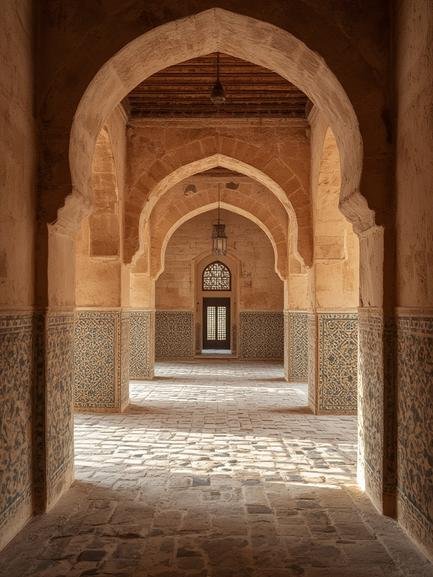


Morocco’s capital city is a tapestry of distinct and characterful areas, each telling its own story of the nation’s rich heritage. Rabat neighborhoods offer visitors an authentic glimpse into Moroccan life, from the ancient walled medina to the elegant wide boulevards of the Ville Nouvelle.
As you wander through these historic Moroccan quarters, you’ll discover a capital city that perfectly balances tradition with modernity. Unlike the tourist-heavy Marrakech or Fes, Rabat’s districts maintain their authentic character, making them ideal for travelers seeking a genuine cultural experience in a more relaxed atmosphere.
History & Cultural Background
Rabat’s diverse neighborhoods reflect the city’s layered history spanning nearly nine centuries. Founded as a fortress in the 12th century by the Almohad ruler Abd al-Mu’min, the city’s name comes from “Ribat al-Fath,” meaning “Fortress of Victory.” The oldest neighborhoods grew around this original fortification, now known as the Kasbah of the Udayas.
During the French Protectorate (1912-1956), urban planner Henri Prost designed the Ville Nouvelle (New City) with wide boulevards and European-style buildings, creating a stark contrast to the medieval medina. This period established the dual character that defines Rabat today.
After independence in 1956, King Mohammed V made Rabat the capital, leading to the development of modern administrative districts. The Hassan district grew around the incomplete Hassan Tower from the 12th century, while Agdal and Hay Riad emerged as upscale residential neighborhoods in the late 20th century. In 2012, UNESCO recognized “Rabat, Modern Capital and Historic City” as a World Heritage Site, acknowledging the unique harmony between the city’s historical and contemporary neighborhoods.
Architectural Highlights & Key Features
Each of Rabat’s districts offers distinctive architectural elements that tell the story of Morocco’s evolving aesthetics:
The Medina features narrow, winding streets lined with traditional Moroccan homes adorned with intricate tilework and carved wooden doors. The whitewashed buildings with blue accents create a visual harmony typical of Morocco’s coastal towns.
The Kasbah of the Udayas stands as a fortified mini-city with Andalusian-influenced design. Its iconic Bab Oudaia gate features elaborate geometric patterns, while inside, the blue and white streets recall the aesthetics of Chefchaouen.
Ville Nouvelle showcases French colonial architecture with Art Deco influences. Buildings feature decorative facades with a blend of European structure and Moroccan ornamental details.
Hassan district is dominated by the sandstone Hassan Tower and the modernist mausoleum of Mohammed V, where traditional Moroccan craftsmanship meets contemporary design with its white marble structure and green-tiled roof.
Agdal and Hay Riad represent modern Moroccan architecture with spacious villas and apartment complexes that incorporate traditional elements like interior courtyards and decorative tilework within contemporary structures.
Best Time to Visit & Practical Information
Ideal Season: Spring (April-May) and fall (September-October) offer pleasant temperatures between 70-80°F (21-27°C), perfect for neighborhood exploration.
Weather Considerations: Summers can be hot, with temperatures reaching 90°F (32°C), while winters are mild with occasional rainfall.
Getting Around:
– Petit taxis (blue in Rabat) are metered and affordable for trips within neighborhoods
– The tram system connects major districts, including Agdal, Hassan, and the Medina
– Walking is ideal for exploring within neighborhoods like the Medina and Kasbah
Safety: Rabat is considered one of the safest cities in Morocco. Still, standard precautions apply—avoid displaying valuable items and be aware of your surroundings, especially in crowded areas.
Language: Arabic and French are widely spoken. English is increasingly common in tourist areas and among younger Moroccans.
Currency: Moroccan Dirham (MAD)—have small bills ready for markets and taxis.
Step-by-Step Exploration Guide
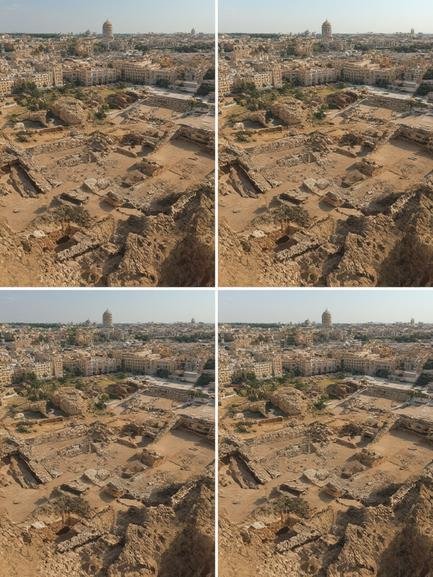
Day 1: Historic Core
1. Start at the Kasbah of the Udayas (morning): Enter through the magnificent Almohad gate and explore the blue and white alleyways. Don’t miss the Andalusian Garden and the panoramic view of the Bou Regreg River.
2. Explore the Old Medina (late morning): From the Kasbah, walk to the medina and navigate its narrow streets. The Rue Souka is the main commercial artery where you’ll find Rabat neighborhoods at their most authentic. Grab lunch at a local restaurant serving traditional Moroccan cuisine.
3. Visit Hassan Tower and Mohammed V Mausoleum (afternoon): These monuments showcase the spiritual and royal heritage of Morocco. The esplanade offers beautiful historic Moroccan quarter views.
Day 2: Modern Districts
1. Avenue Mohammed V in Ville Nouvelle (morning): Start at the central train station and walk along this main boulevard, admiring the French colonial architecture.
2. Explore Agdal (midday): Take the tram to this upscale residential neighborhood with its tree-lined streets, modern cafés, and shopping opportunities.
3. Finish in Hay Riad (afternoon): Visit this contemporary district to see how modern Rabat lives, with its international restaurants and glossy shopping centers.
Nearby Attractions, Food & Accommodation
Nearby Attractions:
– Chellah Necropolis (10-minute drive from the Medina): Ancient Roman ruins and medieval Islamic complex surrounded by gardens
– Salé (across the river): Rabat’s sister city with its own authentic medina and the Great Mosque
– Temara Beach (20-minute drive): Perfect for a relaxing day by the Atlantic
Where to Eat:
Budget Options:
– Café La Renaissance (Ville Nouvelle) for pastries and coffee
– Street food stalls in the Medina for brochettes and harira soup
Mid-range:
– Dar Naji (multiple locations) for traditional Moroccan tagines
– Le Petit Beur (Hassan) for seafood and local specialties
Upscale:
– Le Dhow (riverfront) – restaurant on a boat with Mediterranean cuisine
– La Mamounia (Agdal) for high-end Moroccan dining
Accommodation:
Budget:
– Riad Marhaba in the Medina
– Hotel Majliss in Ville Nouvelle
Mid-range:
– Riad Kalaa in the Kasbah
– Hôtel La Tour Hassan in the Hassan district
Luxury:
– Sofitel Rabat Jardin des Roses in the embassy district
– Villa Mandarine in Souissi neighborhood
Travel Tips & Common Mistakes to Avoid
Common Mistakes:
– Rushing through neighborhoods: Many visitors treat Rabat as a day trip, missing the charm that emerges when you slow down
– Skipping the local cafés: Coffee culture is strong in Rabat—skip the international chains and try local establishments
– Not dressing appropriately: While Rabat is more liberal than other Moroccan cities, modest dress is still appreciated
– Missing sunset at the Kasbah: One of the most magical times to visit is late afternoon when the light turns golden
– Forgetting to bargain in the medina: Negotiate prices but remain respectful—around 30% off the initial price is typically fair
Practical Tips:
– Download offline maps, as navigation can be tricky in the medina
– Learn basic Arabic or French phrases—locals appreciate the effort
– Carry a scarf or light jacket, as ocean breezes can make evenings cool
– Schedule visits to religious sites outside prayer times
– Ask permission before photographing people
– Stay hydrated, especially when walking between neighborhoods
Conclusion
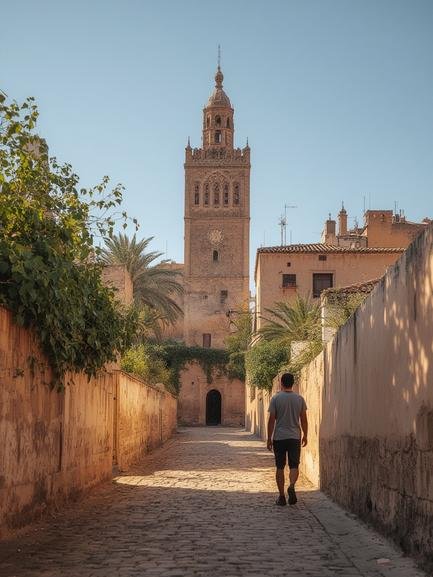
The Rabat neighborhoods offer an exceptional window into Morocco’s rich cultural tapestry without the overwhelming tourist crowds found in other imperial cities. From the timeless beauty of the Kasbah to the tree-lined avenues of Agdal, each district reveals a different facet of the capital’s personality. What makes these historic Moroccan quarters truly special is how they showcase the country’s ability to honor tradition while embracing modernity. As you depart from Rabat, you’ll carry with you not just photographs but genuine connections to a place where history is not merely preserved but lived daily. Plan at least three days to properly experience the city’s diverse character, and you’ll discover why Morocco’s capital deserves a prominent place on any North African itinerary.
FAQs
Q: Is it safe to explore Rabat neighborhoods on foot?
A: Yes, Rabat is considered one of Morocco’s safest cities. The main neighborhoods are walkable and well-patrolled, though standard precautions apply, especially at night. The medina is bustling but less hectic than those in Marrakech or Fes.
Q: How much time should I dedicate to exploring Rabat?
A: While you can see major highlights in a full day, 2-3 days allows for a more relaxed exploration of the different neighborhoods and their unique characters. This gives you time to experience both historic and modern districts.
Q: Are there any neighborhoods I should avoid in Rabat?
A: Rabat’s main neighborhoods are generally safe for tourists. The outskirts and some industrial areas have little tourist appeal anyway. As in any city, use common sense and avoid poorly lit, deserted areas after dark.
Q: What’s the dress code for visiting Rabat neighborhoods?
A: While Rabat is relatively liberal, modest dress is appreciated, particularly when visiting religious sites or traditional neighborhoods. Shoulders and knees should be covered in the medina and Kasbah. In modern districts like Agdal or Hay Riad, Western-style clothing is common.
Q: Can I take photographs freely in all Rabat neighborhoods?
A: Photography is generally allowed in public spaces, but always ask permission before photographing people. Photography may be restricted at religious sites and government buildings. In the medina, some shopkeepers may expect a small purchase if you photograph their wares.