


Navigating the financial landscape of Morocco’s administrative capital can be both fascinating and challenging for international visitors. Understanding Rabat money and currency is essential for any traveler looking to explore this historic royal city without financial hiccups. The Moroccan dirham (MAD) serves as the official Moroccan currency exchange medium, and knowing how to handle it effectively will enhance your experience in this captivating North African destination.
From traditional souks to modern shopping centers, Rabat offers diverse commercial experiences where understanding local currency practices becomes invaluable for bargaining, tipping, and managing your travel budget.
History & Cultural Background
The Moroccan dirham has a rich history dating back centuries, evolving through various empires and colonial periods. The word “dirham” itself derives from the Greek “drachma,” reflecting Morocco’s ancient trading connections with Mediterranean civilizations. After gaining independence in 1956, Morocco established its modern currency system in 1960, replacing the Moroccan franc with the dirham.
Rabat, as the capital, has been central to Morocco’s economic development since becoming the administrative center during the French Protectorate period (1912-1956). The city’s Bank Al-Maghrib headquarters, located near the Royal Palace, stands as a symbol of Morocco’s financial sovereignty. The current series of banknotes, introduced in 2012, features King Mohammed VI on one side and various cultural and architectural landmarks on the reverse, showcasing Morocco’s blend of tradition and modernity.
Cultural attitudes toward money in Rabat reflect Morocco’s Islamic heritage, where concepts like “baraka” (blessing) and avoiding “riba” (interest) influence financial transactions. This history creates a unique commercial environment where modern banking practices coexist with traditional market haggling.
Architectural Highlights & Key Features
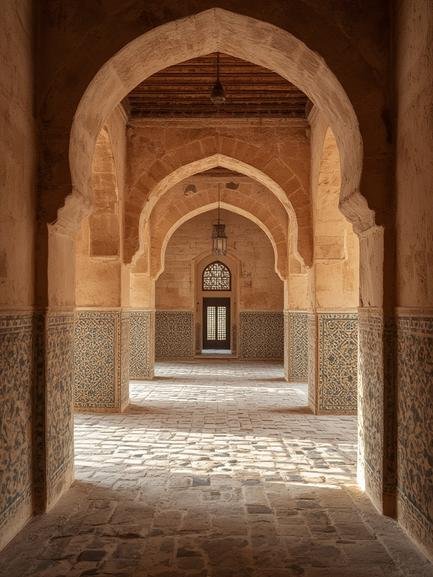
The Bank Al-Maghrib building merges traditional Moroccan architectural elements with modern financial functionality. Its façade showcases impressive zellige tilework and carved cedar elements, while the interior houses significant archives of Morocco’s monetary history. The bank’s museum displays historical coins dating back to Roman and Islamic periods, offering insights into Morocco’s commercial evolution.
Rabat’s monetary landscape features a blend of traditional and modern spaces. The old Medina markets operate largely in cash, with merchants displaying their goods in centuries-old commercial traditions. Meanwhile, modern banking districts near Agdal and Hay Riad showcase contemporary glass-and-steel financial institutions. The contrast between the ornate, traditional Royal Mint and sleek modern bank branches throughout the city tells the story of Morocco’s financial evolution.
The dirham itself features intricate designs incorporating Islamic geometric patterns, Arabic calligraphy, and Amazigh cultural symbols. Both coins and banknotes display multilingual text in Arabic and French, reflecting Morocco’s linguistic diversity.
Best Time to Visit & Practical Information
For currency exchange, banks in Rabat typically operate Monday through Friday from 8:30 AM to 4:00 PM. Exchange offices (bureaux de change) often offer extended hours, including weekends, particularly in tourist areas. The best exchange rates are typically found at official banks rather than hotels or airport exchanges.
ATMs are widely available throughout Rabat, with the highest concentrations in Hassan, Agdal, and the city center. Most accept international cards, though withdrawal fees vary by bank. Major credit cards (Visa, Mastercard) are accepted at upscale establishments, but cash remains king in markets, taxis, and smaller restaurants.
The optimal time for currency exchange is typically midweek when rates tend to be more favorable. If you’re planning to visit traditional markets, mornings (9:00 AM to noon) offer the freshest selection and most energetic atmosphere for spending your dirhams.
Current exchange regulations allow visitors to bring up to 2,000 MAD into or out of Morocco. For larger sums, a declaration is required, making advance planning essential.
Step-by-Step Exploration Guide
Begin your financial exploration of Rabat at Bank Al-Maghrib’s Currency Museum, where you can learn about Rabat money and currency through historical exhibits. This provides excellent context for understanding the Moroccan currency exchange system you’ll be navigating. Next, head to the nearby administrative district to observe the impressive headquarters of Morocco’s major banks.
For practical currency matters, follow this route:
1. Exchange initial currency at Bank Al-Maghrib’s main branch or reputable exchange offices in the city center for best rates
2. Explore the old Medina with small denominations (20, 50, 100 MAD notes) for easier haggling
3. Visit Rabat’s Central Market to practice using coins (1, 2, 5, 10 dirhams) for small purchases
4. Experience modern commerce at Morocco Mall, where credit cards are widely accepted
5. Compare traditional and modern banking by visiting both the historic banking district and newer financial center in Hay Riad
Don’t miss the opportunity to photograph (with permission) the beautiful architectural details of historic bank buildings, particularly around Avenue Mohammed V. The contrast between these and the bustling cash-based commerce in the medina provides fascinating insights into Morocco’s economic duality.
Nearby Attractions, Food & Accommodation
After handling your currency needs, explore these financially adjacent attractions:
– The Royal Palace (external viewing only) – free
– Kasbah of the Udayas – 10 MAD
– Rabat Archaeological Museum – 10 MAD
– Hassan Tower – free
– Chellah Necropolis – 70 MAD
For meals, budget travelers can enjoy street food for 20-50 MAD per person, while mid-range restaurants charge approximately 100-200 MAD per person. Fine dining experiences start at 300 MAD.
Accommodation options include:
– Budget: Hostels and basic hotels (150-300 MAD/night)
– Mid-range: Three-star hotels (500-800 MAD/night)
– Luxury: Five-star hotels and riads (1,000+ MAD/night)
For banking services, international travelers often prefer BMCE Bank and Attijariwafa Bank branches, which offer English-speaking staff in central locations.
Travel Tips & Common Mistakes to Avoid
When dealing with Rabat’s financial system:
– DO inform your bank about travel plans to prevent card blocks
– DON’T exchange large amounts at airports (rates are typically 10-15% worse)
– DO keep small denominations handy for taxis and market purchases
– DON’T accept torn or heavily damaged notes when receiving change
– DO expect to use cash for most transactions under 200 MAD
– DON’T change money with unofficial street exchangers
– DO keep exchange receipts if you plan to convert dirhams back to your currency
– DON’T count money openly in crowded areas
Credit card tips:
– Choose cards without foreign transaction fees
– Decline dynamic currency conversion (always pay in local currency)
– Use credit rather than debit cards for added security
Common tourist mistakes include:
– Running out of cash on Fridays and holidays when banks are closed
– Not having small bills for tipping (10% is customary in restaurants)
– Forgetting to notify banks of travel plans
– Assuming credit cards are universally accepted
Conclusion
Understanding Rabat money and currency transforms your visit from potentially stressful to seamlessly enjoyable. The city’s financial landscape tells the story of Morocco’s evolution from an ancient trading kingdom to a modern nation, all while preserving cultural practices around commerce and exchange. Whether you’re haggling in souks, dining in upscale restaurants, or visiting historic sites, comfort with the Moroccan currency exchange system enhances every aspect of your experience. Take time to appreciate the artistry on Moroccan banknotes and coins, as they showcase the nation’s proud heritage. Plan your financial approach before arrival, maintain awareness during your stay, and you’ll discover that navigating Rabat’s monetary system becomes part of the adventure rather than an obstacle. Ready to experience the blend of traditional markets and modern commerce in Morocco’s royal capital? Start planning your currency strategy today for a smoother Rabat adventure.
FAQs
Is it better to bring cash or cards to Rabat?
A combination works best. Bring some cash to exchange upon arrival and use cards for larger purchases and ATM withdrawals. Always have some dirham cash available, as many smaller establishments don’t accept cards.
How much should I budget daily for Rabat?
Budget travelers can manage on 300-500 MAD daily, mid-range travelers should budget 600-1,000 MAD, and luxury travelers can expect to spend 1,500+ MAD daily, including accommodation, food, and activities.
Are there any restrictions on currency exchange in Rabat?
You can import or export up to 2,000 MAD without declaration. Larger amounts require documentation. Most visitors can exchange their home currency without restrictions at banks and official exchange offices.
Is haggling expected when shopping in Rabat?
Haggling is expected in souks and markets but not in fixed-price shops or restaurants. As a general rule, offer 50-60% of the initial asking price and negotiate from there. Consider it a cultural exchange rather than a confrontation.
Are there additional bank or ATM fees I should know about?
Most Moroccan ATMs charge 25-35 MAD per foreign card withdrawal, in addition to any fees from your home bank. To minimize costs, make fewer, larger withdrawals rather than frequent small ones.