
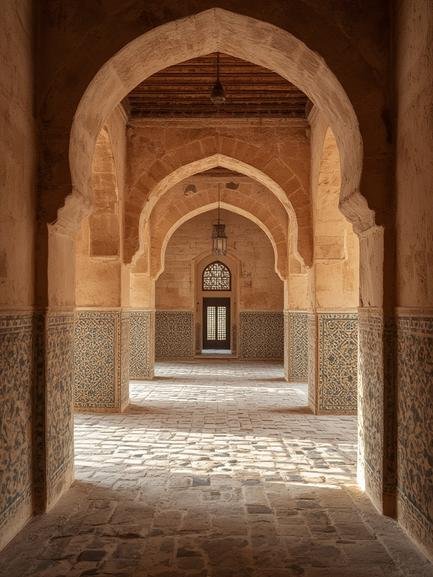


Stepping into the Rabat Medina neighborhood feels like traveling through time. This ancient walled district represents the beating heart of Morocco’s capital, where centuries of history unfold through labyrinthine streets and bustling souks. Unlike the more famous medinas of Fez or Marrakech, the historic Rabat quarter offers a more relaxed and authentic experience, free from overwhelming crowds. Here, traditional artisans continue age-old crafts while locals go about their daily lives among buildings that have stood since the 12th century.
For visitors seeking to understand Morocco’s rich cultural tapestry and experience genuine Moroccan life, this enchanting district provides an unmissable window into both past and present.
History & Cultural Background

Founded in the 12th century during the Almohad Caliphate, the Rabat Medina represents one of Morocco’s most significant historical treasures. Sultan Abd al-Mu’min established the kasbah as a military stronghold against Spanish and Portuguese invaders, while the medina developed as the civilian settlement. Throughout the centuries, the district has witnessed the rise and fall of dynasties from the Almohads to the Alaouite rulers who continue to reign today.
The medina’s strategic coastal location made it central to Morocco’s maritime history and trade networks. During the infamous Barbary Coast period, Rabat served as a base for corsairs, while later becoming an important diplomatic center. In 2012, UNESCO recognized the cultural significance of Rabat’s historic district by designating it a World Heritage Site as part of “Rabat, Modern Capital and Historic City: a Shared Heritage.”
Unlike many North African medinas that suffered significant damage during colonial periods, Rabat’s old city remained relatively intact, preserving its authentic architectural character and cultural continuity through generations.
Architectural Highlights & Key Features
The architectural landscape of Rabat’s medina reveals a fascinating blend of Andalusian, Arab, and Berber influences. The district is defined by its defensive walls (ramparts) dating to the Almohad period, which stretch approximately 5 kilometers, punctuated by five monumental gates (babs). Among these, Bab El Alou and Bab El Had feature particularly impressive Islamic craftsmanship.
Within the walls, the urban layout follows the classic Islamic city design with residential quarters organized around central communal facilities. The streets form a hierarchical network from main thoroughfares to increasingly private derbs (narrow lanes). Notable structures include:
– The Great Mosque (Jamaa El Kebir) with its distinctive square minaret
– The Andalusian Wall, displaying the finest examples of military architecture
– The Rue Souika, the medina’s main commercial street
– Traditional riads featuring central courtyards with ornate tilework and fountains
– The Mellah (former Jewish quarter) with its unique architectural elements
Building materials predominantly include local limestone, cedar wood, and colorful zellige (geometric mosaic tilework) that has become synonymous with Moroccan design. The predominance of white and blue color schemes distinguishes Rabat’s medina from other Moroccan cities, reflecting its coastal heritage.
Best Time to Visit & Practical Information
The ideal time to explore Rabat Medina is during spring (April-May) and autumn (September-October) when temperatures are pleasant and skies typically clear. Summer months can be uncomfortably hot, while winter occasionally brings rain, though rarely extreme cold.
Opening Hours: The medina itself is accessible 24 hours as a living neighborhood, though individual shops typically operate from 9:00 AM to 7:00 PM, closing for Friday prayers (noon to 3:00 PM). Many shops also close on Sundays.
Entry Fees: There is no cost to enter and explore the medina district, though some specific monuments within may charge modest entry fees (10-30 dirhams).
Getting There: The medina is centrally located and easily reached on foot from the modern city center. From Rabat-Ville train station, it’s approximately a 15-minute walk. Petit taxis are abundant and inexpensive if needed.
Dress Code: While Morocco is relatively progressive, modest dress is appreciated, especially when visiting religious sites. Women should cover shoulders and knees, and both men and women should avoid overly revealing clothing out of respect for local customs.
Step-by-Step Exploration Guide
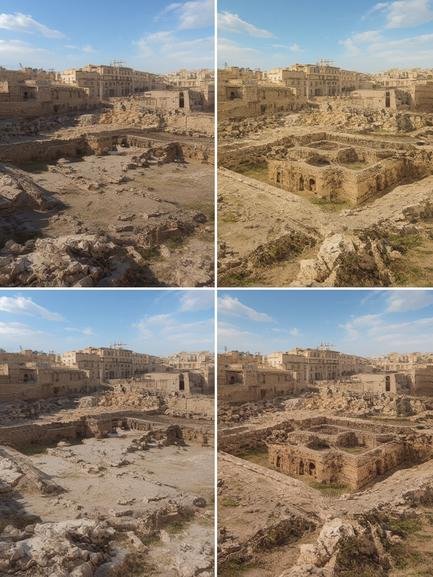
To fully experience the Rabat Medina neighborhood, follow this walking route designed to showcase its highlights while avoiding getting lost in its maze-like structure. Begin your journey at the impressive Bab El Had gate, the main entrance to the historic Rabat quarter, which connects the old and new parts of the city.
1. Start at Bab El Had – Enter through this monumental gate and soak in the immediate transition from modern city to historic district.
2. Explore Rue Souika – Follow this main commercial artery, browsing shops selling everything from traditional crafts to modern goods. Don’t miss the covered section where spice merchants create colorful pyramids of their aromatic wares.
3. Visit the Great Mosque – While non-Muslims cannot enter, you can admire its exterior architecture and feel the spiritual center of medina life.
4. Navigate to Place Souk El Ghezel – This small square was historically where wool was traded, now home to craft shops specializing in Rabat’s famous carpets.
5. Discover Rue des Consuls – Once home to foreign diplomats, this street now showcases Rabat’s finest artisans, particularly carpet weavers whose workshops you can visit.
6. Wander the Andalusian Wall – Follow the ancient fortifications north for spectacular views of the Bou Regreg River and Salé across the water.
7. Explore the Mellah – The former Jewish quarter retains distinctive architectural elements like balconies and wider streets.
8. Finish at the Kasbah des Oudaias – While technically separate from the medina, this adjacent fortified city section provides the perfect culmination with its stunning ocean views, Andalusian garden, and iconic blue and white streets.
Allow 3-4 hours for this route, though a full day permits deeper exploration. Morning visits offer cooler temperatures and better photography light, while evening brings a magical atmosphere as lanterns illuminate the ancient walls.
Nearby Attractions, Food & Accommodation
Nearby Attractions:
– Kasbah des Oudaias (10-minute walk)
– Chellah Necropolis (30-minute walk or short taxi)
– Hassan Tower and Mohammed V Mausoleum (15-minute walk)
– Rabat Archaeological Museum (15-minute walk)
– Royal Palace (exterior viewing only, 20-minute walk)
Where to Eat:
– Budget: Café Clock offers traditional Moroccan dishes with modern twists in a cultural center setting
– Mid-range: Dar Naji serves authentic tagines and couscous in a beautiful traditional interior
– High-end: Dinarjat provides fine Moroccan dining in a restored riad with live music
Where to Stay:
– Budget: Riad Marhaba offers clean, simple rooms in an authentic setting
– Mid-range: Dar El Kebira combines traditional architecture with modern amenities
– Luxury: Riad Zyo features exquisite décor, a hammam, and exceptional personalized service
Travel Tips & Common Mistakes to Avoid
Essential Tips:
– Carry small denominations of Moroccan dirhams for negotiating in souks
– Download offline maps before your visit as signal can be weak in narrow streets
– Photography is generally welcomed but always ask permission before photographing people
– Negotiate prices when shopping, but do so respectfully—start at about 60% of the initial price
– Stay hydrated by purchasing bottled water from shops (avoid tap water)
Common Mistakes:
– Following self-proclaimed “guides” who approach tourists (use official guides arranged through hotels)
– Rushing through the experience—the medina rewards slow exploration
– Missing the upper stories—look up to see beautiful architectural details
– Visiting during midday prayer times when many shops close
– Wearing inappropriate clothing that may attract unwanted attention
Conclusion
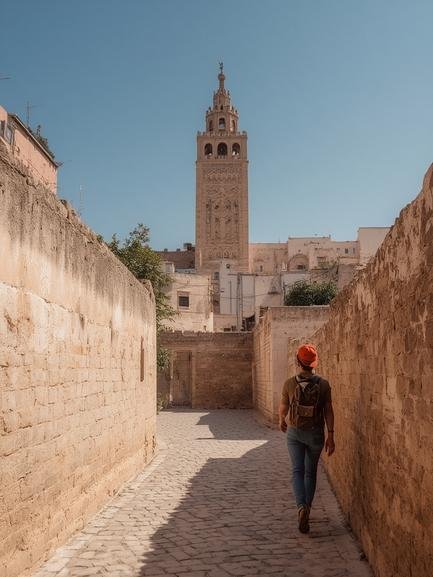
The Rabat Medina neighborhood offers travelers a rare glimpse into authentic Moroccan life while being more navigable and less overwhelming than other famous medinas. Its perfect blend of historical significance, living traditions, and relative tranquility makes it an essential stop on any Moroccan itinerary. Within its ancient walls, you’ll find not just monuments and markets, but the continuing pulse of a culture that has flourished here for nearly a millennium. The historic Rabat quarter invites you to slow down, engage with local artisans, savor traditional flavors, and absorb centuries of Moroccan heritage. As you plan your Moroccan journey, allow yourself ample time to wander these storied streets—they hold stories waiting to be discovered around every corner. Consider arranging a guided walking tour for your first day to gain orientation before returning to explore independently at your own pace.
FAQs
Is the Rabat Medina safe for tourists?
Yes, Rabat’s medina is considered one of the safest in Morocco. The capital city status means increased security presence, and the less tourism-focused nature results in fewer scams targeting visitors. Still, practice normal travel precautions regarding valuables and be aware of your surroundings, especially after dark.
How much time should I allocate for visiting the medina?
A minimum of 3-4 hours allows you to see the highlights, but a full day provides a more immersive experience. Some travelers prefer to make multiple shorter visits, perhaps focusing on different aspects like shopping, photography, or architecture.
Can I visit the medina independently or should I hire a guide?
Unlike larger medinas in Fez or Marrakech, Rabat’s medina is relatively easy to navigate independently. However, a guide can provide historical context and access to workshops not obvious to tourists. If hiring a guide, arrange through your accommodation or the tourist office rather than accepting offers in the street.
What should I buy in the Rabat Medina?
Rabat is particularly renowned for its handwoven carpets, distinctive from those in other Moroccan cities. Other excellent purchases include leather goods, copper and brassware, ceramics, and textiles. The medina offers more authentic crafts and fewer mass-produced souvenirs than more tourist-oriented cities.
Are there restroom facilities available in the medina?
Public restrooms are limited within the medina. Restaurants, cafes, and some larger shops offer facilities to customers. The Kasbah des Oudaias has public restrooms for a small fee. It’s advisable to use facilities when available during your exploration.