

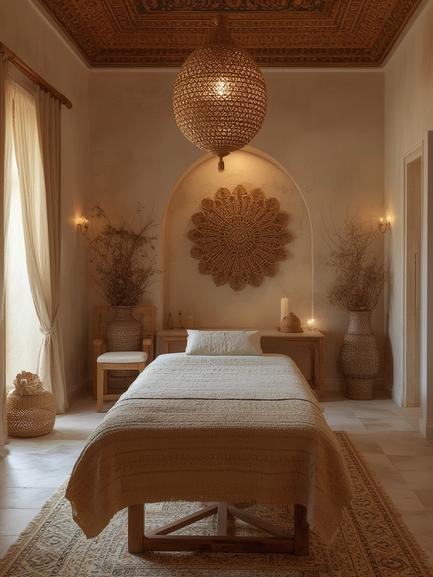

Morocco’s capital city offers visitors more than just historical monuments and cultural attractions. The Rabat massage and wellness scene has flourished in recent years, providing a perfect complement to the city’s sightseeing opportunities. After exploring royal palaces and ancient kasbahs, travelers can indulge in rejuvenating traditional hammam treatments that have been part of Moroccan culture for centuries.
This blend of cultural exploration and physical rejuvenation makes Rabat an ideal destination for those seeking both enlightenment and relaxation in their travels.
History & Cultural Background
The wellness traditions in Rabat date back centuries, with the hammam (traditional bathhouse) playing a central role in Moroccan social life since the arrival of Islam in the region. These public steam baths were originally linked to mosques, providing facilities for ritual ablutions before prayer. Over time, they evolved into community centers where people gathered not only for cleansing but also for socializing and celebrating important life events.
Traditional Moroccan massage techniques developed alongside hammam culture, incorporating elements from various civilizations that influenced the region. The Berbers contributed herbal remedies and natural oils, while Andalusian influences brought refined aromatherapy practices. Ottoman traditions added specific massage techniques that focused on pressure points and muscle relaxation.
Today, Rabat’s wellness centers honor these ancient traditions while incorporating modern spa elements, creating experiences that bridge past and present. Many establishments still use traditional products like rhassoul clay, argan oil, and rose water that have been harvested and prepared using age-old methods passed down through generations.
Architectural Highlights & Key Features
The wellness spaces in Rabat showcase distinctive architectural elements that enhance the sensory experience. Traditional hammams feature characteristic domed ceilings with small star-shaped openings that allow steam to circulate while creating mesmerizing light patterns. These spaces typically include three chambers: a cool room for changing and relaxation, a warm room for transition, and a hot steam room where the primary bathing and scrubbing takes place.
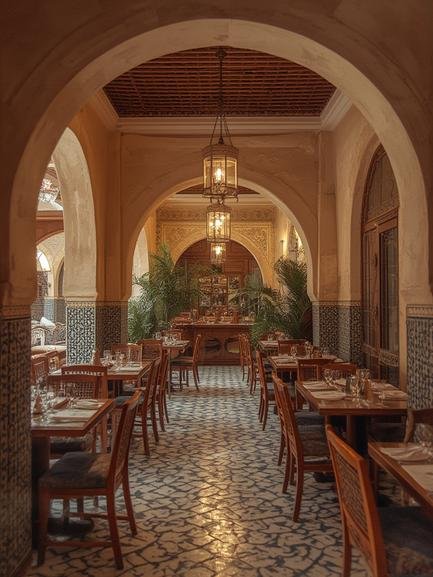
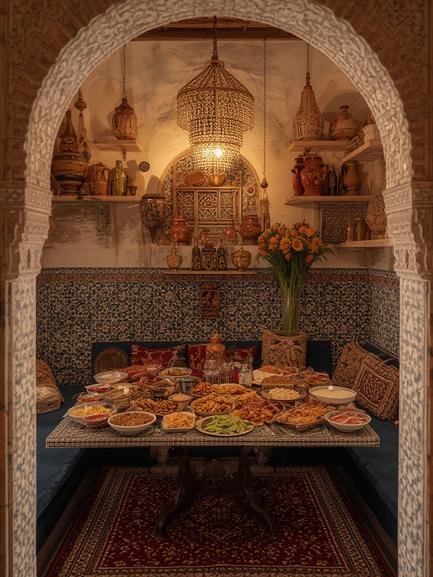
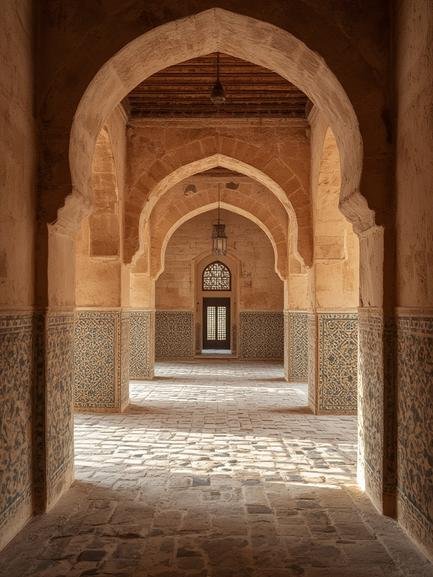
Many of Rabat’s luxury spas blend these traditional elements with contemporary design. You’ll find ornate zellige tilework (intricate geometric mosaic patterns) alongside sleek modern fixtures. Carved plasterwork (tadelakt) adorns walls, while graceful archways frame treatment rooms. These spaces often incorporate water features—bubbling fountains or small pools—that create a soothing soundtrack for treatments.
Materials are chosen for both beauty and function: marble benches that retain heat, cedar wood for its aromatic properties, and locally-quarried stone that connects the space to the Moroccan landscape. Lighting is intentionally subdued, with lanterns and candles creating an intimate, relaxing atmosphere that encourages visitors to disconnect from the outside world.
Best Time to Visit & Practical Information
For the optimal Rabat wellness experience, consider visiting during the shoulder seasons (April-May or September-October) when temperatures are pleasant and tourist crowds are smaller. Winter months (November-February) can actually be ideal for hammam visits, as the warming steam provides a welcome contrast to cooler outdoor temperatures.
Most wellness establishments operate daily from around 10:00 AM to 8:00 PM, though some traditional hammams may have separate hours for men and women. Luxury hotel spas generally welcome guests of all genders throughout operating hours. Prices vary widely: a traditional neighborhood hammam might charge as little as 50-100 dirhams ($5-10) for basic services, while high-end spa packages in luxury hotels can cost 1,000-2,500 dirhams ($100-250).
For hammam visits, bring a change of underwear and flip-flops. Most establishments provide towels, but it’s worth confirming in advance. Modest swimwear is appropriate for hotel spas. Pre-booking is essential for luxury spas but less necessary for traditional hammams (though still recommended for travelers with tight schedules).
Many wellness centers are concentrated in the Agdal and Hassan neighborhoods, easily accessible by petit taxi from anywhere in the city center. Your hotel can arrange transportation or provide directions if needed.
Step-by-Step Exploration Guide
Begin your Rabat massage and wellness journey by experiencing a traditional hammam. These bathhouses offer an authentic glimpse into Moroccan culture while providing extraordinary skin benefits. Start with the neighborhood hammam Lalla Fatima in the medina for a genuine local experience. Here, you’ll go through the ritual cleansing process: relaxing in progressively hotter steam rooms, followed by a vigorous exfoliation with a special mitt called a “kessa,” and finally, a soap cleanse with olive-based black soap.
Next, elevate your experience at Spa O in Agdal, where traditional hammam rituals meet modern treatments. Their signature package begins with a hammam session followed by a 60-minute argan oil massage that combines traditional Moroccan techniques with Swedish movements. The experience concludes with mint tea and pastries in their serene relaxation room.
For the ultimate luxury experience, visit the Royal Mansour Spa in downtown Rabat. Their signature “Moroccan Journey” treatment lasts three hours and includes a private hammam ritual, a massage using local herbs and oils, and a facial featuring rose water and prickly pear seed oil. The treatment rooms feature private terraces overlooking tranquil gardens, creating an unparalleled atmosphere of relaxation.
Complete your wellness tour with a visit to Hammam Dar El Basha, where you can experience a therapeutic rhassoul clay treatment. This mineral-rich clay from the Atlas Mountains detoxifies and nourishes the skin while you relax in a heated chamber.
Nearby Attractions, Food & Accommodation
After your wellness treatments, explore these nearby attractions:
- Hassan Tower and Mausoleum of Mohammed V – Just a 15-minute walk from Spa O, this historic complex showcases magnificent architecture.
- Rabat Medina – Explore the narrow streets filled with artisans and small shops selling natural beauty products.
- Oudayas Kasbah – This picturesque blue and white neighborhood offers stunning ocean views and the lovely Andalusian Gardens.
For dining options that complement your wellness experience:
- Bio & Co – Serves organic, locally-sourced meals perfect for health-conscious travelers.
- Yamal Acham – Offers delicious, light Mediterranean cuisine with plenty of vegetarian options.
- Dar Naji – Experience traditional Moroccan cuisine in a beautifully decorated setting.
Accommodation recommendations:
- Luxury: Sofitel Rabat Jardin des Roses features its own exceptional spa and lush gardens.
- Mid-range: Riad Zyo offers comfortable rooms and a small private hammam.
- Budget-friendly: Dar Yanis provides clean rooms and can arrange hammam visits at nearby establishments.
Travel Tips & Common Mistakes to Avoid
Common Mistakes to Avoid:
- Not hydrating properly – Steam rooms dehydrate your body, so drink plenty of water before and after treatments.
- Scheduling a hammam on your first day – The treatment can be physically intense and might leave you tired; plan it for mid-trip.
- Wearing jewelry or makeup – These can interfere with treatments and may be damaged by steam or oils.
- Being too shy – Traditional hammams involve some nudity (though underwear is typically worn); embrace the authentic experience.
- Booking too many treatments in one day – Allow time to enjoy each experience fully.
Practical Tips:
- Bring a small gift (like pastries) if visiting a neighborhood hammam; it’s a gesture locals appreciate.
- Learn a few Arabic phrases for more authentic interactions with staff.
- Don’t eat a heavy meal before treatments; light snacks are preferable.
- Book high-end spas at least 48 hours in advance during peak season.
- Consider combining wellness activities with sightseeing days rather than dedicating entire days to spa visits.
Conclusion
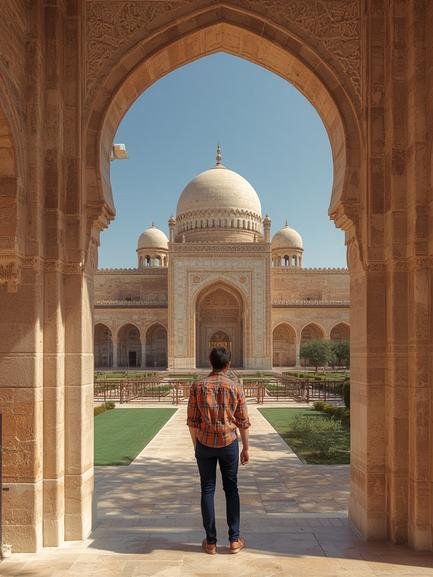
The Rabat massage and wellness scene offers travelers a perfect balance between cultural immersion and luxurious relaxation. From authentic neighborhood hammams where you can experience centuries-old bathing rituals to sophisticated modern spas offering innovative treatments, Rabat provides wellness options for every preference and budget. These experiences not only rejuvenate the body but also provide meaningful insights into Moroccan cultural traditions. The skilled practitioners of traditional hammam treatments create memorable experiences that will remain with you long after your journey ends. When planning your Moroccan itinerary, be sure to allocate at least one day for these revitalizing experiences—your body and mind will thank you for it. Book your wellness experience in advance to ensure availability, especially during peak travel seasons.
FAQs
How long should I plan for a traditional hammam experience?
A basic hammam experience takes about 1-2 hours, while luxury spa packages can last 3-4 hours. It’s best to avoid scheduling other activities immediately afterward so you can fully enjoy the relaxation benefits.
Is it safe to visit neighborhood hammams as a tourist?
Yes, most neighborhood hammams are perfectly safe for tourists. However, it’s advisable to ask your accommodation for recommendations of hammams that are accustomed to visitors. Some hotels can arrange for a local guide to accompany you on your first visit.
What should I wear during a traditional hammam treatment?
Women typically retain their underwear bottoms (no bra) while men wear shorts or underwear. Luxury spas may provide disposable underwear. If you’re uncomfortable with this level of exposure, ask in advance about more modest options.
Are cameras or phones allowed in wellness facilities?
Most wellness facilities prohibit photography out of respect for other guests’ privacy. Leave your devices in secure lockers provided by the establishment and take the opportunity to fully disconnect.
How much should I tip the hammam attendants?
Tipping around 10-15% is customary for good service. For traditional neighborhood hammams, a tip of 20-50 dirhams is appropriate for the person who scrubs you (known as a “kessala” for women or “kessai” for men).