

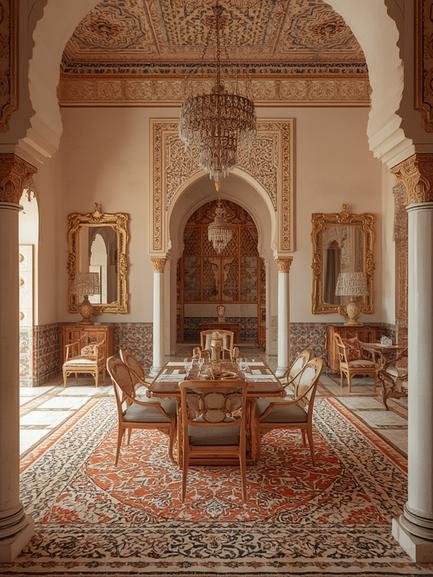

Morocco’s capital city offers a perfect blend of historical grandeur and contemporary sophistication that few other destinations can match. Planning a Rabat luxury trip reveals a side of Morocco that many travelers overlook in favor of more touristy destinations like Marrakech or Casablanca. The city’s UNESCO World Heritage sites, stunning oceanfront location, and refined atmosphere make it ideal for those seeking an upscale North African experience.
Whether you’re drawn to royal palaces, ancient kasbahs, or luxury hotels in Rabat, this elegant city delivers an unforgettable experience that combines cultural richness with modern comfort.
History & Cultural Background
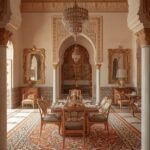
Rabat’s storied past begins in the 12th century when the Almohad ruler Abd al-Mu’min established a fortress (ribat) to launch attacks against Spain. The city’s golden age arrived under the Almohads, who constructed the magnificent Hassan Tower and the imposing Kasbah of the Udayas.
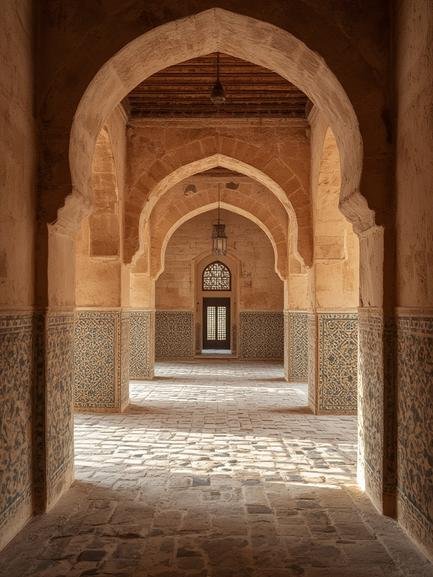
However, Rabat’s prominence diminished until 1912, when the French Protectorate designated it as Morocco’s capital, a status it has maintained since independence in 1956. This unique blend of ancient Moorish heritage and French colonial influence is evident throughout the city’s architecture and urban planning.
Today, as the seat of the Moroccan monarchy and government, Rabat exudes a dignified atmosphere that distinguishes it from the country’s other imperial cities. King Mohammed VI’s modernization initiatives have transformed Rabat into a showcase of contemporary Moroccan achievement while preserving its historical treasures.
Architectural Highlights & Key Features
Rabat’s architectural landscape offers a fascinating journey through Morocco’s diverse heritage:
- Royal Palace (Dar al-Makhzen): Though not open to the public, the palace’s exterior showcases exquisite Moroccan craftsmanship with its ornate gates and impeccable gardens.
- Hassan Tower and Mohammed V Mausoleum: This complex houses both an incomplete 12th-century minaret and the ornate tomb of Morocco’s revered king who led the country to independence.
- Kasbah des Oudaias: A picturesque fortress offering stunning Atlantic views, narrow blue-and-white streets, and the serene Andalusian Gardens.
- Chellah: This walled enclosure contains Roman ruins and a medieval necropolis, creating a hauntingly beautiful archaeological site.
- Villa des Arts: A stunning Art Deco building housing contemporary Moroccan art.
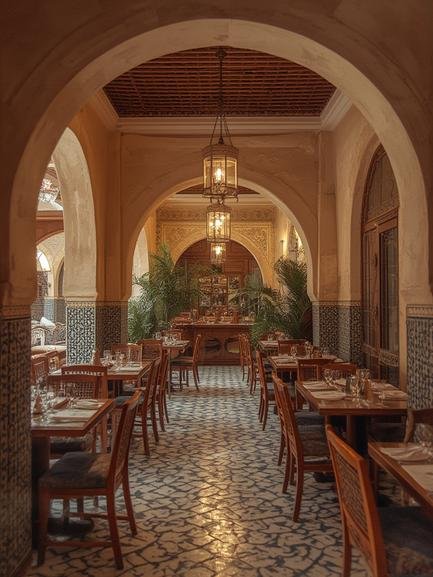
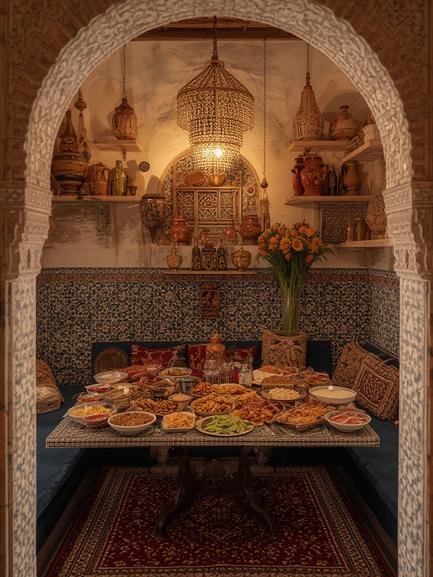
Luxury accommodations in Rabat seamlessly blend these traditional Moroccan design elements with modern amenities, offering guests an authentic yet comfortable experience.
Best Time to Visit & Practical Information
For the optimal experience, plan your Rabat luxury trip between April-May or September-October when temperatures are pleasant (65-75°F/18-24°C) and tourist crowds are manageable.
Key practical information:
- Currency: Moroccan Dirham (MAD)
- Language: Arabic and French predominate; English is increasingly common in luxury establishments
- Visas: Many Western countries receive visa-free entry for 90 days
- Transportation: Hire a private driver for seamless travel between sites
- Dress code: While Morocco is relatively progressive, modest dress is appreciated, especially when visiting religious sites
Most luxury hotels can arrange airport transfers from Rabat-Salé Airport, though some visitors fly into Casablanca (1 hour away) for more international flight options.
Step-by-Step Exploration Guide
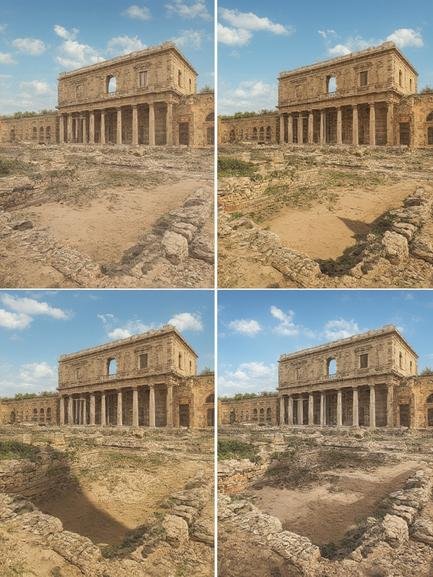
Day 1: Begin your Rabat luxury trip with a private guided tour of the Kasbah des Oudaias, starting early to capture the perfect morning light for photographs. Afterward, stroll through the picturesque Andalusian Gardens before enjoying a premium Moroccan lunch at Dinarjat, housed in a beautifully restored riad. In the afternoon, visit the Hassan Tower and Mohammed V Mausoleum complex, where a knowledgeable guide can explain the deep historical significance of these monuments. End your day with sunset cocktails at a luxury hotels in Rabat with Atlantic views.
Day 2: Dedicate your morning to exploring the enchanting Chellah necropolis with its blend of Roman and Islamic ruins, best appreciated with an expert archaeological guide. For lunch, try the upscale Moroccan cuisine at Le Dhow, a restaurant housed in a wooden boat on the Bou Regreg River. Your afternoon should include the Museum of Contemporary Art and the Royal Palace exterior (photographs permitted from designated areas only). Round off the day with an evening hammam experience at your luxury hotel’s spa.
Day 3: Take a day trip to the nearby city of Salé, crossing the river via private boat rather than the public ferry. Visit the Great Mosque and Medersa of Salé before enjoying a specially arranged lunch in a private home. Return to Rabat for last-minute shopping in Rue des Consuls, where artisans create high-quality Moroccan crafts.
Nearby Attractions, Food & Accommodation
Luxury Accommodations:
- Villa Diyafa Boutique Hotel & Spa: Rabat’s premier luxury property offering personalized service and Moroccan-inspired elegance
- Sofitel Rabat Jardin des Roses: Set amidst royal gardens with sophisticated French-Moroccan design
- La Tour Hassan Palace: A historic hotel with traditional Moroccan architecture and modern amenities
Fine Dining:
- Le Ziryab: Exceptional Moroccan cuisine with contemporary presentation
- L’Océan: Premium seafood with Atlantic views
- Dar Naji: Traditional Moroccan dishes in an elegant setting
Day Trips:
- Casablanca: Just an hour away for additional shopping and the magnificent Hassan II Mosque
- Roman Ruins of Volubilis: A 1.5-hour drive to see North Africa’s best-preserved Roman ruins
- Meknes: Another imperial city with fewer tourists and authentic atmosphere
Travel Tips & Common Mistakes to Avoid
Avoid These Common Missteps:
- Overlooking Rabat entirely: Many travelers skip Rabat, missing its refined charm
- Neglecting dinner reservations: Top restaurants require advance booking
- Haggling inappropriately: In high-end boutiques, prices are fixed
- Forgetting weather preparation: Atlantic winds can make evenings cooler than expected
Insider Tips:
- Arrange for a professional photographer to capture your visit to the blue streets of Kasbah des Oudaias
- Book a private cooking class with a local chef to learn authentic Moroccan techniques
- Request your hotel concierge to arrange access to artisan workshops normally closed to tourists
- Consider visiting during the Mawazine music festival (May/June) when international performers come to Rabat
- Pre-arrange a trusted driver for your entire stay rather than negotiating taxis
Conclusion
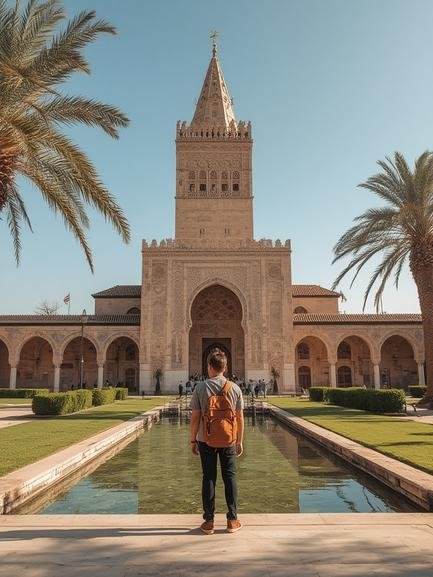
A Rabat luxury trip offers a sophisticated introduction to Morocco’s cultural richness without the overwhelming sensory experience that characterizes some of the country’s more tourist-heavy destinations. The city’s perfect balance of historical grandeur, contemporary comfort, and authentic Moroccan life creates an environment where visitors can immerse themselves in the country’s heritage while enjoying world-class amenities. From the moment you arrive at your luxury hotels in Rabat to your final sunset view over the Atlantic, Rabat provides a refined experience that will transform your understanding of Morocco. Begin planning your visit today and discover why discerning travelers are increasingly choosing Rabat as their gateway to North African luxury.
FAQs
Is Rabat safe for luxury travelers?
Yes, Rabat is considered one of Morocco’s safest cities with low crime rates and a visible police presence, especially in tourist and upscale areas. Most luxury hotels also offer additional security measures and transportation services.
How many days should I allocate for a luxury Rabat experience?
A minimum of three full days is recommended to properly experience Rabat’s highlights without rushing. Adding two additional days allows for day trips to nearby attractions like Casablanca or Meknes.
What’s the best way to get around Rabat for luxury travelers?
The most convenient option is arranging a private driver through your hotel for the duration of your stay. This ensures comfortable, air-conditioned transportation without the need to negotiate with taxi drivers or navigate public transportation.
Are credit cards widely accepted in Rabat?
Major credit cards are accepted in luxury hotels, upscale restaurants, and boutiques. However, it’s advisable to carry some cash for smaller establishments, tips, and markets. ATMs are readily available throughout the city.
What type of luxury shopping is available in Rabat?
Rabat offers both traditional Moroccan crafts of exceptional quality and international luxury brands. Visit the Rue des Consuls for high-end traditional items like carpets, leather goods, and jewelry, or explore the Mega Mall for international designer brands.
BODY_END