


Vibrant, aromatic, and bursting with flavor, Rabat juice stands represent one of the capital city’s most delightful culinary traditions. These colorful kiosks dot the urban landscape, offering respite from the North African heat with their rainbow displays of fresh fruits and vegetables.
The vendors skillfully blend seasonal produce with Moroccan spices and herbs, creating refreshments that are both nourishing and deeply connected to local culture.
Exploring Rabat juice stands provides visitors with an authentic taste of everyday Moroccan life. These humble establishments serve as social hubs where locals gather, exchange news, and enjoy moments of sweet refreshment together. The experience goes beyond mere hydration—it’s an immersion into Rabat’s vibrant street food culture.
History & Cultural Background

The tradition of juice stands in Rabat traces back several centuries, evolving from simple carts selling seasonal fruit to the established fixtures they are today. Originally, vendors would push wooden carts through narrow medina streets, announcing their presence with distinctive calls that became part of the city’s soundscape. The contemporary Rabat juice stands began emerging in the mid-20th century as the city modernized and tourism increased.
In Moroccan culture, fresh juice holds significance beyond simple refreshment—it represents hospitality, health, and the bounty of the land. Many recipes have been passed down through generations, with families guarding their special blends of Moroccan spices and proportions. Juice vendors often maintain loyal customer bases who return daily, forming relationships that strengthen community bonds.
Architectural Highlights & Key Features
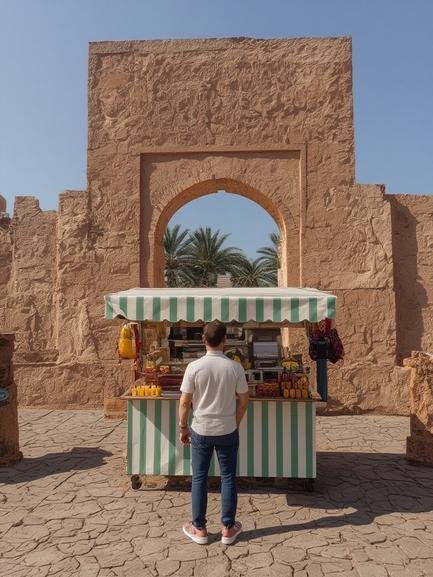
Most Rabat juice stands feature eye-catching displays of meticulously arranged fruits and vegetables in pyramidal stacks. The stands themselves are typically compact wooden structures painted in vibrant colors, often featuring decorative tiles or metalwork that reflects traditional Moroccan aesthetic sensibilities. Many vendors install large glass windows to showcase their ingredients and juice-making process, turning preparation into performance art.
The layout usually includes a small counter where customers can stand while enjoying their drinks, sometimes with modest seating nearby. Modern stands increasingly incorporate refrigeration units, while traditional vendors rely on fresh, daily-purchased produce and ice blocks to keep ingredients cool.
Key features of authentic Rabat juice stands include:
– Hand-operated juicers and blenders that create distinct textures impossible to replicate with electric equipment
– Seasonal decorations that change throughout the year, often incorporating flowers and herbs
– Custom glass containers and distinctive serving styles unique to each vendor
Best Time to Visit & Practical Information
Morning visits (7-9 AM) offer the freshest ingredients and a glimpse of locals starting their day with nutritious refreshments. The late afternoon (4-6 PM) brings another peak when residents seek cool relief after work. Weekends see families gathering around popular stands, creating a lively atmosphere that showcases juice consumption as a social activity.
Most stands operate daily from dawn until around 9 PM, with prices ranging from 5 to 25 dirhams ($0.50-$2.50), depending on ingredients and complexity. No special dress code applies, though modest clothing is appreciated in this predominantly Muslim country. Many vendors speak basic English or French alongside Arabic, making ordering accessible for tourists.
Step-by-Step Exploration Guide
Begin your Rabat juice-stand adventure with these three essential experiences:
1. Start in the Medina district, where the most traditional stands cluster near Rue Souika and the Andalusian Gardens. These vendors often incorporate Moroccan spices like cinnamon and ginger into classic orange and pomegranate juices.
2. Visit Hassan district’s modernized stands that combine traditional recipes with contemporary wellness trends. Here you’ll find innovative blends featuring superfoods like argan oil and prickly pear alongside classic ingredients.
3. Explore the Atlantic coast area near Oudayas Kasbah, where stands specialize in avocado-based drinks and seafront refreshments. The ocean breeze complements these creamy concoctions perfectly, especially during sunset hours.
Nearby Attractions, Food & Accommodation
After visiting Rabat juice stands, explore the Hassan Tower and Mohammed V Mausoleum, just a 15-minute walk from several popular juice locations. The Chellah necropolis offers ancient Roman and Islamic ruins surrounded by gardens that make an ideal destination after refreshing yourself. Rabat’s beaches provide another natural complement to your juice exploration.
Budget travelers can find comfortable riads in the medina starting at around $25-40 per night. These traditional guesthouses often serve breakfast featuring the same fresh fruits you’ll find at juice stands. Mid-range options include Hotel Belere ($60-80) and Ibis Rabat ($50-70), both centrally located near popular juice districts.
Travel Tips & Common Mistakes
– Mistake: Assuming all stands are equally clean. Solution: Look for vendors who cover their fruit displays with netting and regularly clean their equipment.
– Mistake: Missing out on seasonal specialties. Solution: Ask what’s freshest that day rather than ordering standard options.
– Tip: Bring your own reusable cup to reduce plastic waste, as many vendors still use disposable containers.
– Tip: Learn basic Arabic phrases for ordering—”asir” (juice) and “bidun sukkar” (without sugar) are particularly useful if you prefer less sweetened versions.
Conclusion
Rabat juice stands offer travelers a window into Moroccan daily life through one of its most delicious traditions. The harmonious blend of fresh fruits with Moroccan spices creates experiences that engage all senses while providing cultural insights impossible to gain from guidebooks alone. These humble establishments represent living history, connecting modern visitors to centuries-old culinary traditions.
Don’t rush your juice stand experience—take time to observe the vendor’s technique, chat with locals, and savor each sip mindfully. The true delight of Rabat juice stands comes not just from the flavors but from the momentary community created around these refreshing oases in the urban landscape.
## FAQs
Q: What are the most popular juice combinations at Rabat juice stands?
A: Orange-pomegranate and avocado-almond milk rank among the most beloved combinations. Many stands also offer seasonal specialties featuring cactus fruit in summer and warming spiced carrot blends in winter.
Q: Are Rabat juice stands safe for tourists to visit?
A: Most established juice stands maintain good hygiene standards and use filtered water for washing fruits. Look for busy stands with high turnover of ingredients and avoid those with uncovered fruit exposed to street dust.
Q: Can I find sugar-free options at Rabat juice stands?
A: Yes, simply request “bidun sukkar” (without sugar) when ordering. Many vendors now offer natural sweeteners like honey or dates as alternatives, especially in stands catering to health-conscious customers.