

Morocco’s capital city holds treasures waiting to be discovered by the curious traveler. Rabat historic sites represent a fascinating blend of Islamic, Andalusian, French colonial, and Berber influences, making the city a living museum of Moroccan heritage. From towering ancient structures to intricately designed medinas, these monuments tell the story of a nation that has stood at the crossroads of civilizations for centuries.
Whether you’re a history enthusiast or simply seeking to immerse yourself in authentic Moroccan culture, Rabat’s UNESCO heritage offers an unforgettable journey through time.
History & Cultural Background
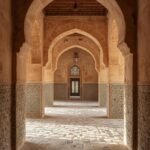
Founded in the 12th century by the Almohad ruler Abd al-Mu’min, Rabat (originally called Ribat al-Fath, meaning “Fortress of Victory”) was established as a military fortress. The city gained prominence during the Almohad Caliphate but experienced its first golden age during the reign of Yacoub al-Mansour, who began construction of what would become the Hassan Tower.
When the Almohad empire declined, Rabat fell into a period of relative obscurity until the arrival of Andalusian refugees in the 17th century. These exiled Muslims from Spain settled in what is now the Kasbah des Oudaias, bringing their distinctive architectural styles and cultural traditions.
The modern era saw Rabat elevated to capital status during the French Protectorate (1912-1956), when Resident-General Hubert Lyautey chose it over more established cities like Fez or Marrakech. This decision transformed Rabat, adding French-designed neighborhoods while preserving its historic core. In 2012, “Rabat, Modern Capital and Historic City: A Shared Heritage” was inscribed on UNESCO’s World Heritage List, recognizing its exceptional fusion of Arab-Muslim past and Western modernism.
Architectural Highlights & Key Features
Rabat’s architectural landscape reveals a remarkable diversity of styles and influences spanning nearly a millennium:
The Kasbah des Oudaias
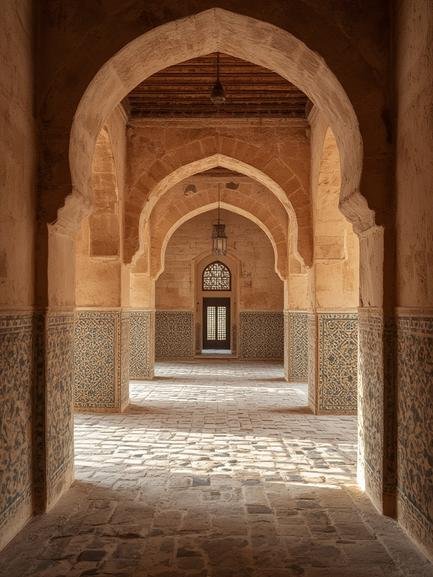
This 12th-century fortress perched above the Atlantic Ocean and Bou Regreg River showcases classic Andalusian features: white and blue-washed walls, narrow winding streets, and intricately carved doorways. The Andalusian Gardens within the Kasbah blend Islamic and European landscaping traditions.
Hassan Tower
Perhaps Rabat’s most iconic structure, this unfinished minaret was intended to be the world’s largest. Construction began in 1195 but ceased upon Sultan Yacoub al-Mansour’s death in 1199. The red sandstone tower, reaching 44 meters (intended to be 86), displays the geometric patterns and ornate detailing characteristic of Almohad architecture.
Chellah Necropolis
This multi-layered site contains both ancient Roman ruins (from the city of Sala Colonia) and a medieval Muslim necropolis. The Islamic elements feature ornate gateways, a minaret, and numerous tombs of Merinid royalty, while Roman remnants include a forum, baths, and temple foundations.
Mohammed V Mausoleum
A masterpiece of modern Moroccan craftsmanship, this tomb houses King Mohammed V and his sons. The structure blends traditional Moroccan design elements with contemporary architectural concepts, featuring zellige tilework, carved plaster, and cedar wood ceilings.
Best Time to Visit & Practical Information
Optimal Seasons
Spring (April-May) and fall (September-October) offer the most pleasant weather for exploring Rabat’s outdoor monuments, with temperatures typically ranging between 18-25°C (65-77°F). Summer months can be hot and crowded with domestic tourists, while winter brings mild temperatures and occasional rainfall.
Opening Hours & Fees
– Hassan Tower & Mohammed V Mausoleum: Daily 9:00 AM-6:00 PM (free admission)
– Kasbah des Oudaias: Open 24 hours (free admission); Andalusian Gardens 8:00 AM-6:00 PM
– Chellah Necropolis: Daily 8:30 AM-5:30 PM (30 MAD/~$3 USD)
– Rabat Archaeological Museum: Tuesday-Sunday 10:00 AM-6:00 PM (10 MAD/~$1 USD)
Getting Around
Most historic sites in Rabat are concentrated in a relatively compact area. The blue petit taxi is an affordable option for short distances (ensure the meter is running). For greater authenticity, consider exploring on foot, especially within the medina and kasbah areas where vehicles cannot enter.
Dress Code
While Rabat is a cosmopolitan capital, modest dress is appreciated when visiting religious sites. Women should cover shoulders and knees, and both men and women should remove shoes when entering mosques (note that most mosques are closed to non-Muslims).
Step-by-Step Exploration Guide
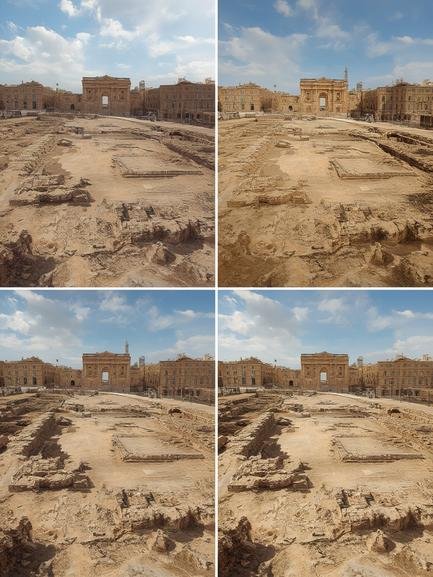
To maximize your experience of Rabat historic sites while minimizing travel time, follow this strategic route that covers the major landmarks in a logical sequence:
Day 1: Old Rabat Circuit (4-5 hours)
1. Start at Bab El Had (8:30 AM): Begin at this main gate to the medina, where morning light illuminates the stonework beautifully.
2. Explore the Medina (9:00 AM): Wander through this less touristy medina compared to other Moroccan cities. Don’t miss Rue Souk es Sebat for traditional crafts and the Consuls Street for its colonial architecture.
3. Visit the Kasbah des Oudaias (11:00 AM): Climb to this elevated fortress for stunning views of the Atlantic Ocean and Bou Regreg River. The quiet blue and white streets offer excellent photography opportunities, particularly at the platform overlooking Salé. Spend time in the serene Andalusian Gardens.
4. Lunch in Oudaia (1:00 PM): Stop at Café Maure for mint tea and traditional Moroccan sweets while enjoying panoramic views.
5. Hassan Tower & Mohammed V Mausoleum (2:30 PM): These adjacent sites form the spiritual heart of the city. Photograph the imposing Hassan Tower, then visit the elaborately decorated mausoleum (remember to maintain respectful silence inside). The afternoon light creates dramatic shadows across the complex of columns surrounding the tower.
Day 2: Extended Explorations (3-4 hours)
1. Chellah Necropolis (9:00 AM): Visit in the morning when storks are active on the ruins and fewer tourists are present. Allow at least 90 minutes to fully explore both the Roman and Islamic sections.
2. Royal Palace (exterior) (11:30 AM): While not open to the public, the ornate exterior gates and guards in traditional dress make for impressive viewing and photos.
3. Archaeological Museum (1:00 PM): Complete your historical understanding with a visit to this well-curated collection of artifacts spanning from prehistoric to Islamic periods, with particular emphasis on Roman Rabat’s UNESCO heritage.
Nearby Attractions, Food & Accommodation
Beyond the Historic Center
– Salé: Just across the river, this traditional city offers an authentic medina experience without the tourist crowds.
– Rabat Zoo: Located in the Hilton Forest, it houses over 130 species in well-designed habitats.
– Temara Beach: A 15-minute drive south provides a refreshing coastal escape.
Where to Eat
Budget Options:
– Restaurant Dinarjat: Hidden in the medina, serving traditional Moroccan dishes in a riad setting.
– Le Dhow: A boat-restaurant on the Bou Regreg River with reasonable prices and river views.
Mid-range to Luxury:
– Dar Naji: Excellent traditional Moroccan cuisine near Hassan Tower.
– Le Ziryab: Upscale dining with Andalusian influences in the Agdal district.
Accommodation
Budget:
– Riad Meftaha: Affordable authentic riad experience in the medina.
– Dar Zouhour: Charming guesthouse with traditional décor.
Mid-range:
– Riad Kalaa: Historic riad in the Kasbah with a rooftop terrace.
– Hotel des Oudaias: Comfortable rooms near major attractions.
Luxury:
– Sofitel Rabat Jardin des Roses: Elegant accommodations set in royal gardens.
– Villa Mandarine: Boutique hotel in an orange grove offering tranquility.
Travel Tips & Common Mistakes to Avoid
Insider Tips
– Photography Timing: The Hassan Tower complex photographs best in late afternoon when the sandstone glows golden.
– Free Guide Scams: Decline offers from unofficial “guides” who approach at major sites and later demand payment.
– Tram Transport: Rabat’s modern tram system is clean, affordable (6 MAD per ride), and connects many historic sites.
– Friday Considerations: Many sites close during Friday prayers (approximately 12:00-2:00 PM).
– Language: While Arabic and French dominate, basic English is increasingly understood in tourist areas.
Common Mistakes
– Rushing Through Sites: Many visitors allocate insufficient time, especially at the Chellah, which rewards slow exploration.
– Ignoring Salé: This sister city across the river offers authentic experiences away from tourist crowds.
– Missing the Museum: The Archaeological Museum provides crucial context for understanding the historic sites.
– Overlooking Modern Rabat: The city’s French-designed “Ville Nouvelle” offers a fascinating architectural contrast to the historic center.
– Expecting Marrakech: Rabat offers a more relaxed, authentic experience than Morocco’s tourist centers—embrace its different pace.
Conclusion
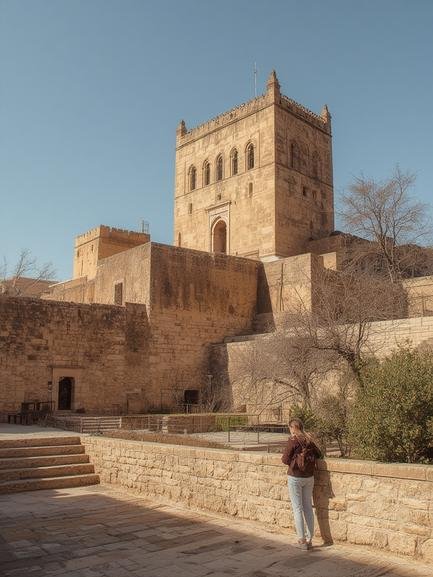
Rabat historic sites offer a uniquely comprehensive view of Morocco’s multifaceted heritage. Unlike more tourist-oriented cities, Rabat provides an authentic glimpse into the nation’s past without the overwhelming crowds. From the majestic incompleteness of Hassan Tower to the layered civilizations visible at Chellah, these monuments speak to Morocco’s position at the crossroads of Mediterranean, African, and European influences. The city successfully balances preservation with contemporary life, making it an ideal destination for travelers seeking deeper cultural understanding.
As you explore Rabat’s UNESCO heritage, you’ll discover not just architectural marvels but the ongoing story of a nation continuously reimagining itself while honoring its diverse traditions. Plan at least two full days to properly appreciate these treasures, and consider extending your stay to experience the rhythms of daily life in Morocco’s elegant administrative capital. Your journey through Rabat’s historic landmarks will reward you with insights that illuminate not just Morocco’s past but its present and future as well.
FAQs
How safe is it to visit Rabat’s historic sites?
Rabat is considered one of the safest cities in Morocco. Standard travel precautions apply: watch for pickpockets in crowded areas like the medina, avoid isolated areas after dark, and use licensed taxis for transportation after sunset. The main historic sites are well-patrolled and secure.
How long should I spend visiting Rabat’s main historic attractions?
A minimum of one full day is necessary to see the key sites (Kasbah, Hassan Tower, and Chellah), but two days allows for a more relaxed pace and the inclusion of museums and the medina. History enthusiasts might comfortably spend three days exploring all historic aspects of the city.
Can I photograph inside all historic sites?
Photography is permitted at most outdoor sites without restriction. The Mohammed V Mausoleum allows photography of the interior but prohibits flash. Always ask permission before photographing people, particularly in the medina and traditional areas.
Is Rabat suitable for travelers with mobility limitations?
Historic sites present mixed accessibility. The Hassan Tower complex and Mohammed V Mausoleum have good accessibility with ramps and smooth surfaces. The Kasbah des Oudaias and Chellah have uneven surfaces, steps, and slopes that may challenge visitors with mobility issues. The medina, with its narrow lanes and steps, is the most difficult to navigate.
What should I wear when visiting Rabat’s historic sites?
Comfortable walking shoes are essential as you’ll cover considerable distances on various surfaces. Modest clothing that covers shoulders and knees is recommended, particularly when visiting religious sites. In summer, lightweight fabrics and sun protection (hat, sunglasses, sunscreen) are advisable, while spring and fall may require a light jacket, especially for evening visits.