
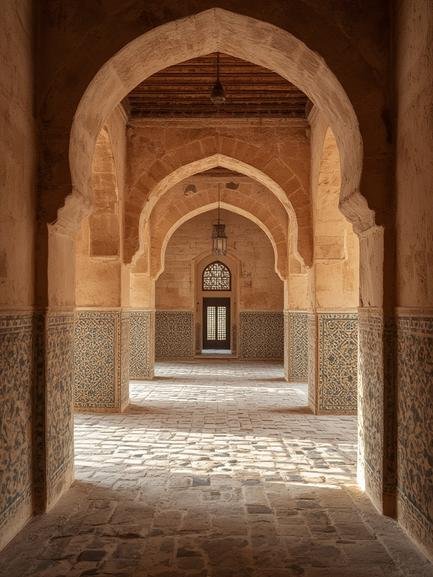


When visiting Morocco’s capital city, indulging in a Rabat hammam experience should be at the top of your cultural itinerary. This centuries-old bathing tradition offers more than just cleanliness—it provides a window into Moroccan social life, wellness practices, and cultural heritage. Unlike tourist-oriented spas, an authentic traditional hammam ritual in Rabat combines steam bathing, vigorous scrubbing, and relaxation in a setting that locals have enjoyed for generations.
Whether you choose a luxurious spa hammam or a neighborhood bathhouse frequented by residents, this sensory journey will leave you refreshed, culturally enlightened, and with a deeper appreciation for Moroccan wellness traditions.
History & Cultural Background
The hammam tradition in Morocco dates back to the 7th century, arriving with Arab-Islamic influence that spread across North Africa. In Rabat, many hammams were built during the 12th century when the city flourished as a fortress under Almohad rule. These public bathhouses served essential hygiene purposes in an era before home plumbing, but they quickly evolved into vital social institutions.
Historically, hammams were typically built near mosques as Islam emphasizes purification before prayer. The traditional architectural layout features three chambers of increasing heat: the cold room (el-barrani), the warm room (el-wasti), and the hot room (el-dakhli). This design was inspired by Roman thermae but adapted to Islamic cultural requirements, particularly regarding modesty.
In Moroccan culture, hammams have traditionally served as gathering spaces where communities share news, arrange marriages, and celebrate special occasions. For women especially, these spaces offered rare freedom for socializing outside the home in more conservative eras. Today, while modern plumbing has changed their utilitarian role, hammams remain cultural treasures and wellness sanctuaries in Rabat.
Architectural Highlights & Key Features
The architectural beauty of Rabat’s hammams reflects their cultural importance. Traditional hammams feature distinctive domed roofs punctuated with star-shaped openings that allow light to filter in while creating mesmerizing patterns on the steam-filled interior. These small apertures control temperature and humidity while providing soft, ambient lighting.
Inside, you’ll find ornate arches, intricate tilework (zellij), and marble surfaces that have practical purposes—resisting moisture and heat—while creating an atmosphere of refined luxury. The bathing chambers typically contain octagonal stone slabs (heated from below in traditional establishments) where bathers recline during their treatments.
Modern luxury hammams in Rabat often incorporate contemporary design elements while honoring traditional aesthetics. Look for stunning features like hand-carved plaster (tadelakt), cedar wood ceilings, copper fixtures, and dramatic lighting that creates a serene atmosphere. The combination of functional design and artistic beauty makes these spaces truly special, with each hammam having its own character and charm.
Best Time to Visit & Practical Information
The ideal time to experience a Rabat hammam is during the cooler months (October through April), when the warmth of the steam rooms feels especially welcoming. However, hammams operate year-round and can be a refreshing escape from summer heat as well.
For the most authentic experience, visit neighborhood hammams mid-morning on weekdays to avoid crowds. Luxury spa hammams generally require reservations, especially during tourist season (April-May and September-October).
Price ranges vary significantly:
– Local public hammams: 10-30 dirhams entry (plus 50-100 dirhams for scrubbing service)
– Mid-range hammams: 150-300 dirhams for full service
– Luxury spa hammams: 400-1200 dirhams for complete rituals
What to bring: Bring a change of underwear, flip-flops, and your own toiletries for public hammams. Most upscale establishments provide everything you need. Women should note that in traditional hammams, topless bathing is the norm, though you can wear a swimsuit bottom.
Getting there: Rabat’s hammams are scattered throughout the city, with excellent options in the medina, Ville Nouvelle, and upscale Agdal neighborhood. Petit taxis are an affordable way to reach them, with most rides within the city costing under 30 dirhams.
Step-by-Step Exploration Guide
To fully appreciate your Rabat hammam experience, follow this sequence for an authentic traditional hammam ritual:
1. Preparation (20 minutes):
– Change into provided garments or your own bathing attire
– Store valuables in lockers
– Receive orientation if it’s your first time
2. Initial Relaxation (15 minutes):
– Begin in the coolest room to acclimate your body
– Splash warm water on your skin
– Move gradually to warmer chambers
3. Steam and Soak (30 minutes):
– Proceed to the hottest room
– Allow your pores to open fully
– Apply black soap (sabun beldi) and let it penetrate
4. Exfoliation (20 minutes):
– Experience the kessa scrub with a special mitt
– Your attendant will remove layers of dead skin
– This vigorous scrubbing is the core of the hammam experience
5. Washing and Rinsing (15 minutes):
– Rinse thoroughly with buckets of water
– Clay mask (rhassoul) may be applied
– Hair washing with natural products
6. Final Relaxation (30+ minutes):
– Return to cooler rooms
– Rehydrate with mint tea
– Allow your body to gradually return to normal temperature
Recommended hammams for different experiences:
– For luxury: Hammam de la Tour Hassan or Le Diwan Spa
– For authenticity: Hammam Dar el Ghalia in the medina
– For a local experience: Hammam Moulay Rachid in Hassan district
Nearby Attractions, Food & Accommodation
After your hammam, explore these nearby attractions:
In the Medina area:
– Kasbah des Oudayas (15-minute walk)
– Andalusian Gardens
– Rabat Archaeological Museum
– Hassan Tower and Mohammed V Mausoleum
Places to eat:
– Budget: Café Clock (modern Moroccan in a heritage setting)
– Mid-range: Dar Naji (traditional Moroccan cuisine)
– High-end: Le Dhow (riverside dining on a boat restaurant)
– Post-hammam refreshment: Try avocado juice with almonds at any local juice bar
Where to stay:
– Budget: Riad Meftaha or Dar Mayssane (authentic riads)
– Mid-range: Hotel Bélère or Ibis Rabat Agdal
– Luxury: Sofitel Jardin des Roses or La Tour Hassan Palace
Many upscale hotels offer their own hammam services, which can be convenient though typically less authentic than dedicated establishments.
Travel Tips & Common Mistakes to Avoid
Hammam Etiquette Tips:
– Hydrate well before and after your treatment
– Speak quietly; hammams are places of relaxation
– Bring a small tip (20-50 dirhams) for your attendant
– Remove jewelry before entering steam rooms
– Follow the lead of locals if unsure about protocols
Common Mistakes:
– Rushing the process—allow at least 2 hours for the full experience
– Being shy about nudity in traditional hammams (bring a swimsuit if you’re uncomfortable)
– Scheduling strenuous activities immediately after your hammam
– Eating a heavy meal beforehand
– Forgetting to negotiate prices at neighborhood hammams
Photography note: Most hammams prohibit photography inside bathing areas for privacy reasons. Ask permission before taking photos in changing or relaxation areas.
Conclusion
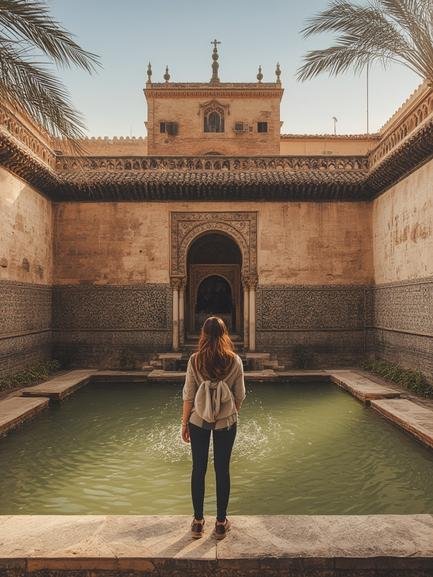
The Rabat hammam experience offers a perfect blend of cultural immersion, wellness, and relaxation that simply cannot be replicated elsewhere. Beyond the physical benefits of deep cleansing and relaxation, it provides a rare glimpse into Moroccan social traditions that have persisted for centuries. Whether you choose a neighborhood bathhouse or a luxurious spa, the traditional hammam ritual connects you with Morocco’s heritage in a profoundly personal way. As you leave Rabat with softer skin and renewed energy, you’ll carry with you not just memories of an exceptional spa treatment, but a deeper understanding of Moroccan culture. Make time in your itinerary for this sensory journey—your body and cultural curiosity will thank you. When planning your trip to Rabat, book your hammam experience early in your stay, allowing you to return for a second visit if you fall in love with this quintessential Moroccan tradition.
FAQs
How long should I plan for a complete hammam experience?
Plan for 2-3 hours total, including preparation, bathing rituals, and relaxation afterward. Rushing through the process defeats the purpose of this wellness tradition.
Is it safe to visit traditional neighborhood hammams as a tourist?
Yes, most neighborhood hammams welcome tourists, though you may be the only visitor. For added comfort, visit with a local guide your first time or choose a hammam that caters to both locals and tourists.
Can men and women visit hammams together?
Traditional hammams are strictly segregated, with separate facilities or different operating hours for men and women. Luxury hotel spas sometimes offer private couple’s hammam experiences.
What’s the difference between a neighborhood hammam and a spa hammam?
Neighborhood hammams are utilitarian, affordable, and frequented by locals. Spa hammams offer more luxurious surroundings, additional treatments (massage, facials), and staff who speak multiple languages, but at significantly higher prices.
Are hammam treatments suitable for everyone?
People with heart conditions, severe skin conditions, or those who are pregnant should consult their doctor before visiting. The heat and scrubbing can be intense, so communicate with your attendant if you need a gentler approach.