

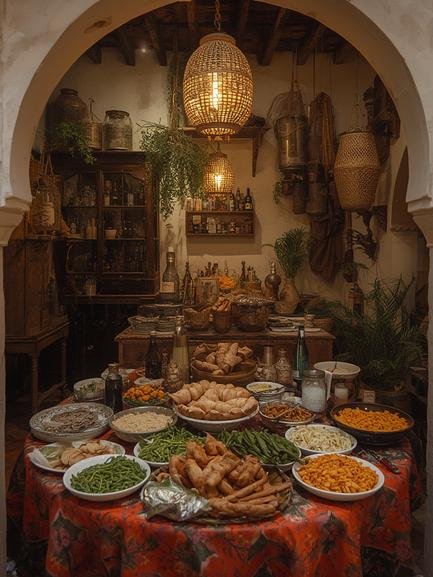

Have you ever wondered where to find the most authentic Moroccan cuisine that perfectly balances tradition with innovation? The Rabat food scene offers an extraordinary culinary journey that remains surprisingly under-explored compared to Marrakech or Fez. As Morocco’s capital city, Rabat blends coastal Mediterranean influences with traditional Berber cooking techniques, creating a distinctive gastronomic identity worth exploring.
Food enthusiasts will find themselves enchanted by the city’s diverse offerings, from bustling street food markets to refined Moroccan fine dining establishments that showcase centuries-old recipes with modern interpretations. This blend of heritage and innovation makes Rabat an essential destination for culinary tourists seeking authentic flavors beyond the typical tourist trail.
History & Cultural Background
Rabat’s culinary heritage reflects its rich historical journey, beginning with Berber influences and evolving through successive waves of Arab, Andalusian, Jewish, and French colonial impacts. Founded in the 12th century by the Almohad dynasty, Rabat’s strategic coastal position made it a crucial trading hub where spices, ingredients, and cooking techniques from across the Mediterranean converged. The city’s food traditions were significantly shaped during the 17th century when Andalusian refugees brought sophisticated flavors and techniques following their expulsion from Spain. During the French Protectorate (1912-1956), European culinary influences were incorporated into local cuisine, creating fusion dishes that remain popular today. This diverse historical tapestry explains why Rabat’s food culture stands distinct from other Moroccan cities, offering a unique blend of coastal seafood specialties alongside traditional tagines, couscous, and pastries with both sweet and savory profiles.
Architectural Highlights & Key Features
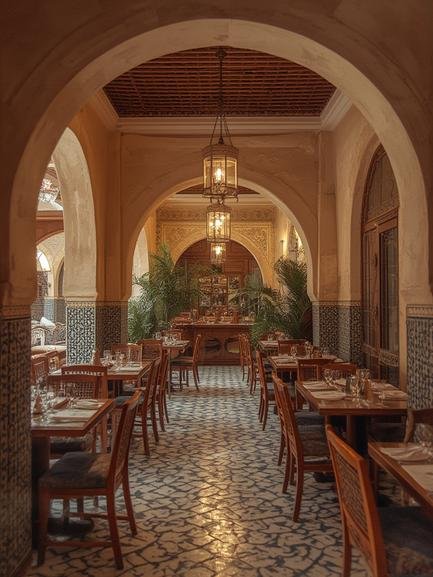
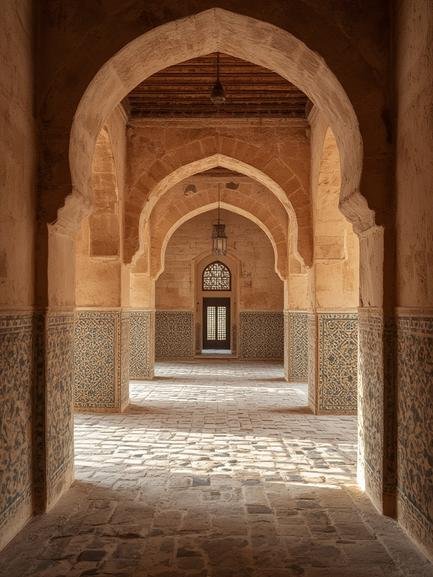
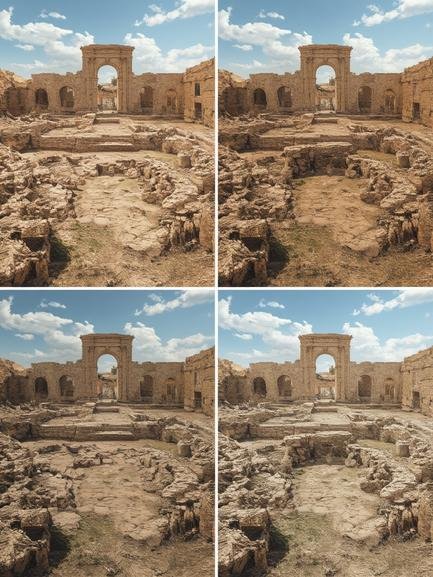
Rabat’s culinary landscape is physically embedded within its architectural wonders. The ancient medina houses traditional food souks where vendors operate from centuries-old storefronts with intricate woodwork and colorful tile details. Unlike the overwhelming markets of Marrakech, Rabat’s food markets maintain an authentic local atmosphere with structures dating to the 17th century. The French colonial influence is evident in the Ville Nouvelle district, where Art Deco cafés serve Moroccan-French fusion cuisine under ornate ceilings. Modern Rabat features contemporary dining spaces in converted riads, where traditional central courtyards have been transformed into atmospheric restaurant settings. The renowned Hassan Tower area restaurants often incorporate elements of Almohad architecture with their distinctive horseshoe arches framing dining spaces. This architectural diversity creates unique dining environments that enhance the culinary experience, similar to how Istanbul’s grand bazaar integrates food and architecture but with a distinctly Moroccan character.
Best Time to Visit & Practical Information
The optimal season to explore Rabat’s culinary offerings is during spring (April-May) or fall (September-October) when mild temperatures make street food exploration comfortable and local produce is at its peak. Winter months bring special seasonal dishes featuring preserved lemons and olives, while summer introduces an abundance of fresh seafood options. For the most authentic experience, plan market visits between 8-10am when locals shop for daily ingredients, and restaurants typically serve lunch from 12:30-2:30pm and dinner from 7:30-10:30pm. Most establishments close briefly in mid-afternoon. Budget-friendly street food tours cost approximately 200-300 MAD ($20-30), while mid-range restaurant meals average 150-250 MAD ($15-25) per person. High-end dining experiences range from 400-800 MAD ($40-80). Transportation options include petit taxis (use meter) or the efficient tram system connecting major culinary districts. Remember that many traditional establishments close during prayer times and may have limited hours during Ramadan.
Step-by-Step Exploration Guide
Begin your culinary journey at the Central Market (Marché Central) in the morning when fishmongers display the day’s catch and vegetable vendors arrange colorful pyramids of produce. Sample fresh-squeezed orange juice from street carts before heading to the old medina for a traditional breakfast of beghrir (Moroccan pancakes) with honey. By mid-morning, explore the Rue des Consuls where artisans craft traditional cooking vessels while nearby vendors offer tastings of preserved lemons and olives. For lunch, discover the Rabat food scene‘s seafood specialties at the Atlantic-facing restaurants near Kasbah des Oudaias, where the catch of the day is prepared with local herbs and spices. Don’t miss the photo opportunity of blue and white painted streets leading to these establishments. In the afternoon, visit a traditional patisserie in Agdal neighborhood for mint tea and gazelle horn pastries. The evening calls for exploring Hassan district’s upscale establishments, where Moroccan fine dining reaches its zenith with multi-course tasting menus featuring modernized classics like pigeon pastilla and saffron-infused tagines.
Nearby Attractions, Food & Accommodation
After exploring culinary delights, visit the UNESCO World Heritage Kasbah of Oudaias, just steps away from excellent seafood restaurants. The adjacent Andalusian Gardens provide perfect digestion walks after heavy meals. History buffs should combine a visit to Chellah necropolis with nearby family-run eateries serving authentic rfissa (chicken with lentils and msemen bread). For accommodation, consider boutique hotel Dar Mayssane ($80-120/night) in the medina, offering cooking classes using ingredients sourced from neighboring markets. Budget travelers can enjoy Hotel Calipau Rabat ($40-60/night) near excellent street food options. Luxury seekers should book Sofitel Jardin des Roses ($200-300/night), home to acclaimed restaurant Al Warda. Don’t miss specialty coffee shops like Bloom Coffee in contemporary Agdal district, serving Moroccan-grown beans alongside traditional kaab el ghazal cookies.
Travel Tips & Common Mistakes to Avoid
First-time visitors often make the mistake of limiting themselves to tourist restaurants in Rabat’s city center, missing authentic neighborhood eateries where locals dine. Instead, venture to residential areas like Océan or Diour Jamaa for genuine home-style cooking. Another common error is eating on strict Western schedules—embrace the later dining times (after 8pm) for dinner to experience restaurants at their most authentic. Many travelers overlook seasonal specialties; always ask “what’s fresh today?” rather than ordering standard menu items. Photography in markets requires permission, especially when capturing food vendors and their products. Avoid drinking tap water but don’t miss traditional beverages like noss noss (half coffee, half milk) or avocado smoothies from juice bars. Lastly, while tipping isn’t mandatory, leaving 10% at restaurants and a few dirhams for street food vendors is appreciated and encourages sharing of culinary knowledge.
Conclusion
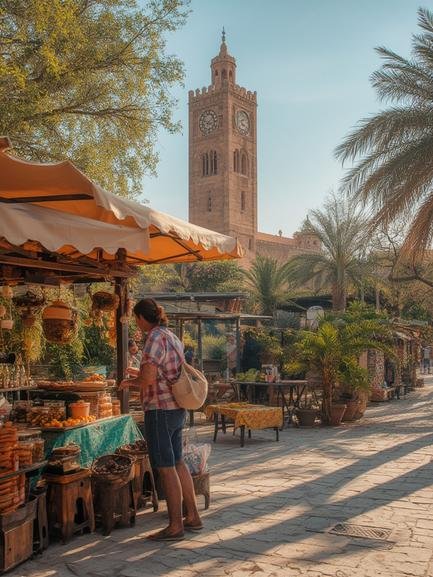
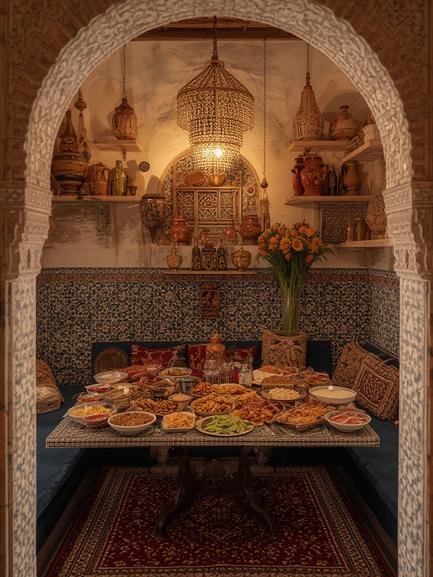
The Rabat food scene represents one of Morocco’s most authentic yet underappreciated culinary treasures, offering visitors a genuine taste of the country’s diverse gastronomic heritage without the overwhelming tourist crowds found elsewhere. From humble street food stalls serving steaming bowls of harira soup to elegant dining rooms presenting contemporary interpretations of ancient recipes, Rabat satisfies every palate and budget while maintaining its authentic character. The city uniquely balances preservation of culinary traditions with thoughtful innovation, making it an essential destination for food-focused travelers. As Moroccan fine dining continues gaining international recognition, Rabat stands poised to become North Africa’s next great food destination. Whether you’re a dedicated food tourist or simply seeking authentic experiences beyond postcard attractions, Rabat’s culinary landscape promises unforgettable flavors and genuine cultural connections. Have you explored Rabat’s food treasures? Share your favorite discoveries in the comments below or save this guide for your upcoming Moroccan adventure!
FAQs
How many days should I dedicate to exploring Rabat’s food scene?
A minimum of three days allows you to experience different neighborhoods and meal types, from street food to upscale dining, while also visiting key cultural sites between meals.
Is it safe to eat street food in Rabat?
Yes, street food in Rabat is generally safe, but follow locals’ lead by choosing busy stalls with high turnover. Look for vendors cooking food fresh rather than displaying pre-cooked items, and always opt for freshly peeled fruits.
Do I need to speak Arabic or French to navigate Rabat’s food establishments?
While knowing basic French phrases helps tremendously, many restaurants in tourist areas have English menus. Learning food-related Arabic terms like “shukran” (thank you) and “bikam” (how much) enhances your experience and earns goodwill from vendors.
Are there good options for vegetarians or those with dietary restrictions?
Vegetarians can enjoy numerous options like zaalouk (eggplant salad), taktouka (pepper salad), and vegetable tagines. Communicate dietary restrictions clearly, as many dishes may contain hidden animal products. Celiacs should note that bread accompanies most meals, but naturally gluten-free options like rice-stuffed vegetables are available.
What is the best food souvenir to bring back from Rabat?
Vacuum-packed spice blends like ras el hanout from Rabat’s central market make excellent souvenirs, along with preserved lemons, argan oil, and high-quality saffron that pass through customs easily and allow you to recreate Moroccan flavors at home.