

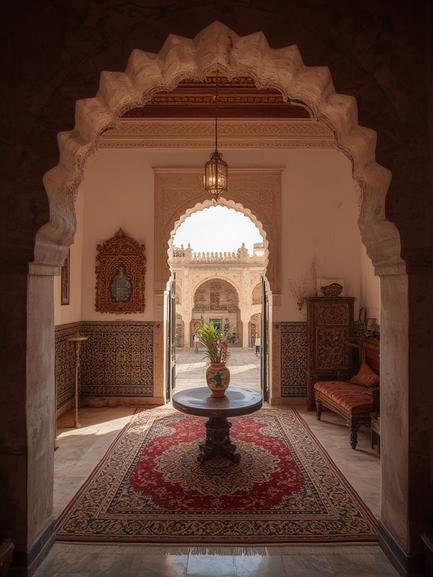

Morocco’s elegant capital serves as the perfect base for exploring the country’s diverse attractions. Rabat day trips provide travelers with the opportunity to experience everything from ancient Roman ruins to picturesque Atlantic coastal towns without changing hotels. Whether you’re interested in Moroccan historical sites or simply want to escape the city for a day, these excursions offer the perfect balance of convenience and discovery.
With efficient public transportation and relatively short travel distances, you can easily enhance your Moroccan adventure with these captivating day trips while returning to the comfort of your Rabat accommodation each evening.
History & Cultural Background

Rabat itself has a rich history dating back to the 12th century when it was founded as a fortress by the Almohad ruler Abd al-Mu’min. The surrounding regions that make up today’s popular day trip destinations have equally fascinating backgrounds. The ancient Roman city of Volubilis was established around the 3rd century BCE and thrived until the 3rd century CE, leaving behind magnificent ruins that tell stories of North Africa’s Roman period. Coastal towns like Asilah have Phoenician origins dating back to 1500 BCE, while later becoming important Portuguese trading posts in the 15th century.
The cultural landscape around Rabat reflects Morocco’s diverse heritage—Berber, Arab, Jewish, and European influences blend throughout these destinations. From the blue-washed streets of Chefchaouen to the imperial grandeur of Meknes, each location offers a unique window into Morocco’s complex cultural tapestry. These historical sites collectively represent the country’s resilience through centuries of different rulers and civilizations.
Architectural Highlights & Key Features
The architecture you’ll encounter on day trips from Rabat spans centuries and civilizations. Volubilis showcases classic Roman design with its basilica, triumphal arch, and intricate mosaic floors that have remarkably withstood the test of time. The UNESCO World Heritage site features columns, bathhouses, and residential quarters that provide insight into Roman urban planning.
In Meknes, the impressive Bab Mansour gate stands as one of North Africa’s most beautiful monumental entrances, adorned with intricate zellige tilework and marble columns taken from Roman Volubilis. Chefchaouen’s distinctive blue-painted buildings create a dreamlike atmosphere, with narrow lanes winding between structures whose color was introduced by Jewish refugees in the 1930s.
The Sale medina offers traditional Moroccan urban design with its narrow streets, hidden riads, and craftsmen’s quarters, while coastal towns like Asilah and Larache feature defensive walls that blend Portuguese military architecture with local building techniques. Each destination boasts unique architectural elements that reflect their particular history and cultural influences.
Best Time to Visit & Practical Information
The ideal time for exploring day trips around Rabat is during spring (April-May) or fall (September-October) when temperatures are moderate and crowds are smaller. Summer can be extremely hot, especially at inland sites like Volubilis, while winter may bring unpredictable rainfall that could impact your experience.
For most destinations, getting an early start is crucial—aim to leave Rabat by 8:00 AM to maximize your time at your destination. Public transportation options include trains (to Meknes, Sale, and Casablanca) and shared grand taxis or buses to other locations. Hiring a private driver ranges from 800-1200 MAD ($80-120) for a full day depending on distance and can be arranged through your accommodation.
Most historical sites charge entrance fees between 10-70 MAD ($1-7), with Volubilis being the most expensive. Comfortable walking shoes, sun protection, and modest clothing are essential, particularly when visiting religious sites. Most day trip destinations can be explored within 4-6 hours, allowing for a return to Rabat by evening.
Step-by-Step Exploration Guide
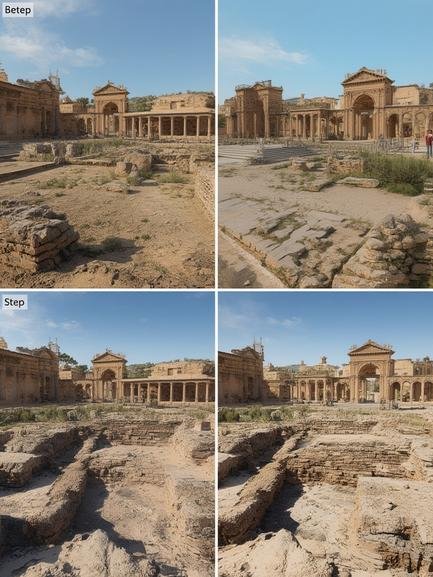
When embarking on Rabat day trips, a well-planned itinerary ensures you make the most of your time. For Volubilis and Meknes, consider this efficient route:
1. Begin at Volubilis around 9:00 AM to avoid midday heat. Enter through the visitor center where you can hire a guide (recommended).
2. Start at the House of Orpheus to see the finest preserved mosaics, then work your way toward the Triumphal Arch.
3. Follow the Decumanus Maximus (main street) past the forum and basilica.
4. Explore the northern section with its merchant homes and olive presses.
5. Depart by noon for Meknes (30 minutes away).
6. In Meknes, begin at Place el-Hedim and the impressive Bab Mansour gate.
7. Visit the nearby Mausoleum of Moulay Ismail and the underground Heri es-Souani granaries.
8. Explore the compact medina and grab a late lunch at a local restaurant.
9. Return to Rabat by 6:00 PM.
For coastal trips to places like Asilah, start at the Portuguese-built ramparts for stunning ocean views, then meander through the whitewashed medina admiring the colorful murals. Stop for fresh seafood at a waterfront restaurant before exploring the vibrant arts scene. These Moroccan historical sites offer perfect day-long adventures that showcase the region’s diverse attractions.
Nearby Attractions, Food & Accommodation
While day trips generally don’t require overnight stays, knowing where to eat is essential for a pleasant experience. In Meknes, Restaurant Salma offers excellent traditional Moroccan cuisine at reasonable prices. Near Volubilis, the town of Moulay Idriss has several small restaurants with terraces overlooking the hillside—try Restaurant Scorpion for authentic local flavors.
In coastal Asilah, Casa Garcia serves outstanding seafood with Spanish influences, reflecting the town’s heritage. For quick meals, look for small sandwich shops selling freshly made bocadillos or local street food options like msemen (flaky pancakes) with honey.
If you do decide to extend your stay, budget options include Hostels like Dar Marnissi in Meknes (200 MAD/$20 per night) or mid-range accommodations like Riad Asilah (600 MAD/$60). Most day trip destinations also feature cafes with excellent views for afternoon mint tea breaks—perfect for resting between explorations.
Travel Tips & Common Mistakes to Avoid
When planning your excursions from Rabat, avoid these common pitfalls:
- Underestimating travel time: Morocco’s transportation systems can experience delays. Add a 30-minute buffer to anticipated travel times.
- Visiting too many places in one day: Focus on one or maximum two nearby destinations rather than rushing through multiple locations.
- Not carrying cash: Many smaller towns have limited ATM facilities and credit cards aren’t widely accepted outside tourist establishments.
- Neglecting water and sun protection: Particularly important at exposed archaeological sites like Volubilis.
- Missing the last transport back: Confirm return schedules before departing, as services often end earlier than expected.
For a smoother experience, download offline maps before departure, learn basic Arabic phrases for directions and greetings, and negotiate taxi fares upfront. Consider hiring an official guide for historical sites—their knowledge enhances your understanding tremendously and supports the local economy.
Conclusion
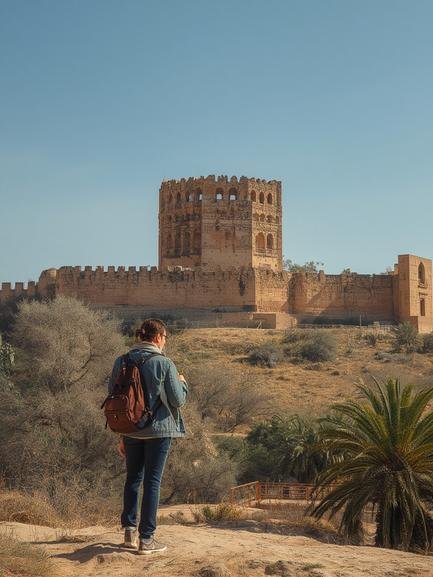
The diversity and accessibility of Rabat day trips make Morocco’s capital an ideal base for exploring the country’s rich cultural landscape. From the ancient Roman splendor of Volubilis to the blue-washed beauty of Chefchaouen, these excursions provide travelers with a comprehensive understanding of Morocco’s multifaceted heritage without the hassle of constantly changing accommodations. The manageable distances, reliable transportation options, and stunning variety of experiences available make these day trips accessible to all types of travelers, regardless of budget or travel style. As you explore these Moroccan historical sites, you’ll gain deeper appreciation for the country’s complex history and vibrant present. When planning your Moroccan adventure, be sure to allocate several days in Rabat specifically for these enriching journeys into the surrounding regions—they will undoubtedly become highlights of your entire visit.
FAQs
How safe are day trips from Rabat for solo travelers?
Day trips from Rabat are generally very safe for solo travelers. Stick to well-traveled routes, inform your accommodation of your plans, and maintain standard travel precautions. Women travelers may experience occasional unwanted attention but rarely face serious issues.
What’s the minimum time needed to properly explore Volubilis?
Allow at least 2-3 hours to properly explore Volubilis. The site covers 40 hectares, and you’ll want adequate time to appreciate the impressive mosaics and architectural details. Morning visits are recommended due to limited shade.
Can I visit Chefchaouen as a day trip from Rabat?
While possible, Chefchaouen as a day trip from Rabat involves 4-5 hours of travel each way. For a more enjoyable experience, consider an overnight stay. If determined to do it in one day, hire a private driver and leave extremely early.
Are guides necessary for these day trips?
Guides aren’t mandatory but are highly recommended for archaeological sites like Volubilis and imperial cities like Meknes. They provide historical context that significantly enhances your understanding. Official guides can be hired at site entrances for 150-200 MAD ($15-20) for 1-2 hours.
What should I wear when visiting these destinations?
Opt for modest clothing that covers shoulders and knees, especially when visiting religious sites. Comfortable walking shoes are essential for uneven terrain at archaeological sites. Bring layers during spring and fall when temperature variations between morning and afternoon can be significant.