


Morocco’s capital city is home to some of the country’s most skilled artisans who continue to preserve ancient traditions through their craft. The Rabat craft workshops provide a fascinating window into the soul of Moroccan culture, where visitors can witness firsthand the creation of intricate traditional Moroccan handicrafts. Unlike the more tourist-oriented workshops in cities like Marrakech or Fez, Rabat’s artisanal spaces offer a more authentic and less crowded experience.
Here, master craftsmen and women practice time-honored techniques passed down through generations, producing everything from exquisite carpets and pottery to detailed woodwork and metalcraft. For travelers seeking to understand Morocco beyond its monuments, these workshops represent living museums where cultural heritage comes alive through the skilled hands of dedicated artisans.
History & Cultural Background

The artisanal heritage of Rabat dates back several centuries, with many craft traditions originating during the 12th century when the Almohad dynasty established the city as a fortified military outpost. The craft sector expanded significantly during the Andalusian migration to Morocco in the 15th century, bringing new techniques and artistic influences. During the French Protectorate (1912-1956), there was a renewed interest in preserving traditional crafts, leading to the establishment of formal workshop structures.
Today’s craft scene in Rabat represents a living continuation of this rich history. The Moroccan government designated many workshops as part of the country’s cultural heritage, creating systems to ensure traditional knowledge transfer continues. Each craft discipline follows a strict apprenticeship system, where young artisans train under master craftspeople for years before being recognized as masters themselves. This structure has helped maintain the authenticity and quality of Moroccan craftsmanship despite modernization pressures.
The workshops collectively employ thousands of artisans, making them not just cultural treasures but also vital economic engines for local communities. Many family workshops can trace their craft lineage back ten generations or more, with techniques and designs remaining remarkably consistent through centuries of practice.
Architectural Highlights & Key Features
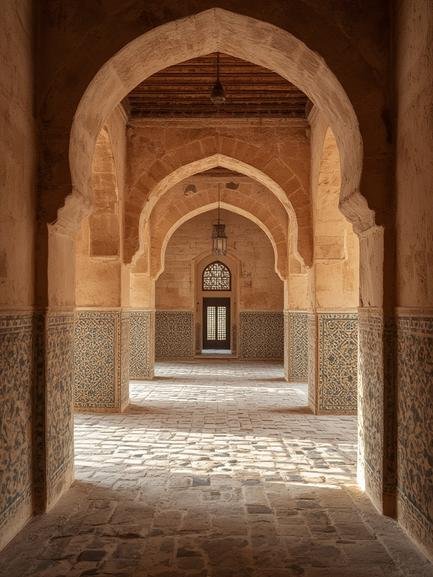
The craft workshops of Rabat are typically housed in traditional buildings that reflect the functional needs of the artisans. Most notable are the workshops within the medina walls, where narrow doorways open into surprisingly spacious ateliers arranged around small central courtyards. This architectural style maximizes natural light while providing protection from heat.
Key architectural elements include:
– Riad-style layouts: Many workshops feature central courtyards that provide natural light for detailed handwork
– Zellige tile decorations: Geometric tilework adorns many workshop entrances, often showcasing the very craftsmanship happening inside
– Carved cedar ceilings: Particularly in older workshops, intricate woodwork demonstrates the intersection of architecture and craft
– Functional zoning: Spaces are typically organized with wet crafts (pottery, dyeing) on lower levels and dry crafts (weaving, embroidery) above
– Communal work areas: Many workshops feature large central spaces where multiple artisans work together, reflecting the collaborative nature of Moroccan craft traditions
Materials used in these structures are predominantly local – clay brick walls, cedar woodwork, plaster embellishments, and hand-made tiles – creating spaces that themselves exemplify traditional craftsmanship.
Best Time to Visit & Practical Information
The ideal time to visit Rabat craft workshops is during spring (April-May) and fall (September-October) when temperatures are pleasant for walking through the medina. Summer visits are possible but can be uncomfortably hot, especially in workshops with active kilns or dyeing operations. Winter visits offer cooler temperatures but shorter daylight hours for observation.
Most workshops operate from 9am to 6pm, though many close for a midday break between 12pm and 2pm. Fridays see limited operations as many artisans attend mosque prayers. For the most authentic experience, visit on weekday mornings when production is in full swing.
While some larger cooperative workshops welcome drop-in visitors, smaller family operations often prefer arrangements made in advance. Many workshops do not charge entrance fees but operate on the expectation that interested visitors may make purchases. Photography policies vary by workshop, so always ask permission before taking pictures.
Getting to the workshops is straightforward, with most concentrated in the medina and Oudayas districts. Both areas are easily reached by petit taxi from anywhere in the city, with fares rarely exceeding 20 dirhams. Alternatively, the modern tram system stops at Bab El Had, just a short walk from the medina’s craft quarter.
Step-by-Step Exploration Guide
For the most rewarding experience of Rabat craft workshops, follow this strategic route that showcases the diversity of traditional Moroccan handicrafts while avoiding tourist traps:
1. Begin at Rue Souika – Start your journey at this main street in the medina where several carpet and textile workshops operate. Morning visits (9-11am) offer the best chance to see weavers at their looms.
2. Explore the Pottery Quarter near Bab El Had – Continue to this district where you’ll find multi-generational pottery workshops. Don’t miss the opportunity to see potters throwing clay and painters applying intricate designs.
3. Visit the Metalwork Workshops along Rue des Consuls – This historic street houses workshops specializing in brass, silver, and copper work. The rhythmic sound of hammering will guide you to active workshops.
4. Discover Leather Artisans in the smaller alleys off Rue Souika – Look for modest workshops where craftspeople cut, stitch, and dye leather for traditional babouche slippers and bags.
5. End at the Woodworking Ateliers near the Kasbah des Oudayas – Finish your tour with intricate cedar and thuya wood carving workshops, where artisans create everything from furniture to small decorative items.
For photography enthusiasts, the best light enters the workshops mid-morning and late afternoon, creating dramatic illumination of the craftspeople at work. Many workshops have designated viewing areas where visitors can observe without disrupting production.
Allow at least 3-4 hours for this route, though a full day would be ideal to truly appreciate the craftsmanship and perhaps participate in mini-workshops that some artisans offer.
Nearby Attractions, Food & Accommodation
Nearby Attractions
After exploring the craft workshops, complement your cultural experience with visits to:
– Kasbah des Oudayas – Just a 10-minute walk from the medina workshops
– Chellah Necropolis – Ancient Roman ruins a short taxi ride away
– Hassan Tower and Mohammed V Mausoleum – Magnificent architectural monuments
– Rabat Archaeological Museum – Houses many artifacts created using traditional craft techniques
Food Options
Refuel at these establishments near the workshop areas:
– Budget: Café Maure in the Oudayas offers mint tea and simple Moroccan pastries with stunning views
– Mid-range: Restaurant Dinarjat serves traditional Moroccan cuisine in a restored medina house
– Upscale: Dar Naji presents refined versions of Moroccan classics in elegant surroundings
– Quick bites: Food stalls around Place Souk el Ghezel offer freshly made msemen (Moroccan pancakes) and bisara (fava bean soup)
Accommodation
Stay close to the craft action at:
– Budget: Riad Marhaba offers affordable rooms in a converted medina house
– Mid-range: Dar El Kebira combines traditional architecture with modern amenities
– Luxury: Villa Mandarine provides garden retreat accommodations a short drive from the medina
– Apartment: Airbnb options in the Agdal district offer self-catering possibilities with easy tram connections to the craft districts
Travel Tips & Common Mistakes to Avoid
Common Mistakes
– Rushing through workshops – Many visitors speed through, missing the subtle details of craftsmanship
– Not distinguishing authentic workshops from tourist shops – Look for actual production happening on-site
– Bargaining too aggressively – While negotiation is expected, respect the value of handcrafted items
– Photographing artisans without permission – Always ask first and consider purchasing something small if you take photos
– Visiting only the government-sponsored cooperatives – Seek out smaller family workshops for more intimate experiences
Practical Tips
– Wear comfortable shoes – Workshop floors are often uneven and can be slippery
– Bring small denominations of Moroccan dirhams for purchases
– Learn a few basic Arabic or French phrases – Most artisans appreciate even simple greeting efforts
– Request demonstrations – Many craftspeople are happy to show specific techniques if asked politely
– Consider guided tours – Local guides can provide access to workshops not typically open to the public
– Be patient with the pace – Craftsmanship cannot be rushed; embrace the slower rhythm of these workshops
Conclusion
The Rabat craft workshops represent more than tourist attractions; they are living repositories of cultural knowledge where ancient techniques continue to produce objects of remarkable beauty and functionality. Unlike mass-produced souvenirs, the traditional Moroccan handicrafts created in these workshops carry the soul of their makers – each piece telling stories of inherited wisdom and artistic expression. By visiting these workshops, you not only witness exceptional craftsmanship but also directly support the preservation of cultural heritage and sustainable livelihoods.
As Morocco continues to modernize, these workshops serve as crucial bridges between past and future, ensuring traditional knowledge isn’t lost to time. Whether you’re an art enthusiast, a cultural explorer, or simply a curious traveler, the craft workshops of Rabat offer profound insights into Moroccan identity through the universal language of creative expression.
Take time to engage with the artisans, learn about their techniques, and perhaps bring home a piece that resonates with you – not just as a souvenir, but as a tangible connection to centuries of artistic tradition. Your interest and support help ensure these ancient crafts continue to thrive for generations to come.
FAQs
How long does it take to properly explore the Rabat craft workshops?
A thorough exploration requires at least 3-4 hours, though dedicating a full day allows for deeper engagement with artisans and possible participation in mini-workshops or demonstrations.
Are the craft workshops accessible for visitors with mobility challenges?
Many traditional workshops have stepped entrances and uneven floors that can present challenges. Larger cooperatives tend to be more accessible, and some offer ground-floor viewing areas for those with mobility concerns.
Can I photograph artisans at work in the workshops?
Photography policies vary by workshop. Always ask permission before taking photos, and respect refusals. Some workshops request small donations or purchases in exchange for photography privileges.
Do I need a guide to visit the craft workshops?
While not strictly necessary, local guides can provide valuable context and access to family workshops not typically open to casual visitors. Guides can be arranged through your accommodation or the tourist office near Hassan Tower.
What’s the best way to support the artisans beyond purchasing their work?
Beyond buying directly from workshops (which ensures artisans receive fair compensation), consider sharing their stories on social media, writing reviews, and recommending specific workshops to other travelers. Some organizations also accept donations to fund apprenticeship programs.